Italy is the country most travelers try to see, and that is exactly the problem. The standard two-week Italy dream — Rome for three days, Florence for two, Venice for two, Tuscany for a long weekend, Amalfi for color, maybe Sicily if there’s time — turns one of the most layered and livable countries on earth into a sprint. You leave exhausted, having photographed the icons but not actually lived in Italy. You’ve been to Italy. You haven’t been in Italy.
Here’s the framing that changes everything: Italy is not a country designed to be consumed. It’s a country designed to be inhabited. Open-air food markets, the 2 p.m. pause for lunch and wine, the evening passeggiata — the slow walk through the piazza as the sun falls. Neighbors who know each other’s names. Restaurants that serve dinner at 8 p.m., not six. A rhythm that rewards staying still more than moving fast.
Done correctly, an Italy trip is not a greatest-hits tour. It’s a version of one region, or two regions at most, given enough time that each one becomes familiar rather than passed-through. Rome is not the Vatican, the Colosseum, and the Pantheon stacked into three days. It’s a week where you anchor in Trastevere, eat long lunches in neighborhood wine bars, stumble into churches you’ve never heard of and find Caravaggios above the altars. Florence is not the Uffizi in four hours and the Accademia before lunch. It’s three nights minimum to feel the city’s actual pace, with a day trip into the hills or a long afternoon in the Oltrarno discovering how Florentines have been making leather and gold leaf for six hundred years.
Most clients come to me asking about Italy in one of five contexts: as a first-time multi-city sweep (Rome →︎ Florence →︎ Venice, ten days to two weeks), as a Tuscan countryside stay anchored in Florence with wine country day trips, as a slow honeymoon split between a city week and a lakeside or coastal retreat, as a second-visit deeper dive into one region (Amalfi, Sicily, Lake Como, the Dolomites), or as an Italy-plus pairing with Greece, Austria, or Switzerland on a longer European arc.
Each one earns a different shape of itinerary. And every single version benefits from the same core principle: Pick fewer cities. Stay longer in each. Eat like you live there.
Here’s how I think about it.
At a Glance
| Best time to visit | April–early June and mid-September–October. Spring brings green Tuscan hills and almond blossoms; fall brings golden light, harvest season, and the olive-oil and truffle season. Avoid mid-July through August — Italians leave the cities for Ferragosto (the August 15 holiday), which means the best restaurants close, the heat sits heavy in stone cities, and what’s left is tourist-only. December is quietly beautiful — Christmas markets, fewer crowds, slower pace. |
| How long to stay | Ten days to two weeks minimum for a multi-city sweep (Rome 3–4 nights, Florence 3–4, Venice 3–4, Tuscany or Amalfi as your mood decides). For a single-region deep dive (one city + countryside), 5–7 nights is the turning point where the place becomes familiar. Less than ten days forces compromise. More than two weeks forces hard editing. |
| How to get there | Rome Fiumicino (FCO) and Milan Malpensa (MXP) are the main entry points from the US. Trenitalia Frecciarossa high-speed rail connects every major city — Rome to Florence in 90 minutes, Florence to Venice in 2 hours. No car rental needed for a multi-city arc; trains beat flights and rentals both. |
| Currency / language | Euro. Italian is official; English is widely spoken in tourist-facing settings, less so in family restaurants and older neighborhoods. Buongiorno, grazie, prego, and un caffè (an espresso, standing at the bar, 90 seconds) are the bare minimum and earn small smiles. |
| One thing most guides won’t tell you | Italian meal hours run later than American ones. Lunch runs 1–2:30 p.m.; dinner runs 8–10 p.m. Most restaurants don’t open for dinner until 7:30 p.m., and the kitchens don’t fully come alive until 8. Eating at 6 marks you as a tourist; the food and the room are both better an hour later. Plan accordingly. |
Why I Send Travelers Here
Because Italy, planned correctly, is the closest thing to a living master class in how to live well. Two-thirds of the world’s historical artistic heritage is in Italy — more Renaissance art is in Florence alone than in most of the rest of Europe combined. The country has been the template for beauty, craft, food, wine, and the entire concept of dolce vita — the sweet life — for five centuries.
Italy is one of the countries I plan most often, and the country I’m most protective of on behalf of my clients. The supplier architecture I work through here is regional and relationship-led — family-owned hotels with names that stay the same for generations, on-the-ground partners in each city who know which trattoria in Trastevere to call when a client mentions a dietary restriction, the supplier contacts I keep current through industry conferences and regular check-ins. The leverage is real and quiet; paired correctly to the trip, it shows up at the table or at check-in rather than in a feature list. I send couples here for honeymoons split between a city week and a Tuscan countryside base or a lake retreat. I send multi-city sweepers for the Rome →︎ Florence →︎ Venice spine that defines a first Italy trip. I send slow-travel anchors who want to base in one city for a week and let the region reveal itself at walking pace. I send travelers following Jewish heritage to Rome’s medieval ghetto and Florence’s 15th-century community.
Every recommendation below comes through the lens of how I plan Italy for the clients I send, the partner relationships I lean on across the country, and a clear point of view about which cities earn your time and which experiences are worth the table reservation versus which are tourist tax in Renaissance dress.
Where I’d Anchor — The Five-City Palette
No traveler should see all of Italy on one trip. Instead, pick your flavor:
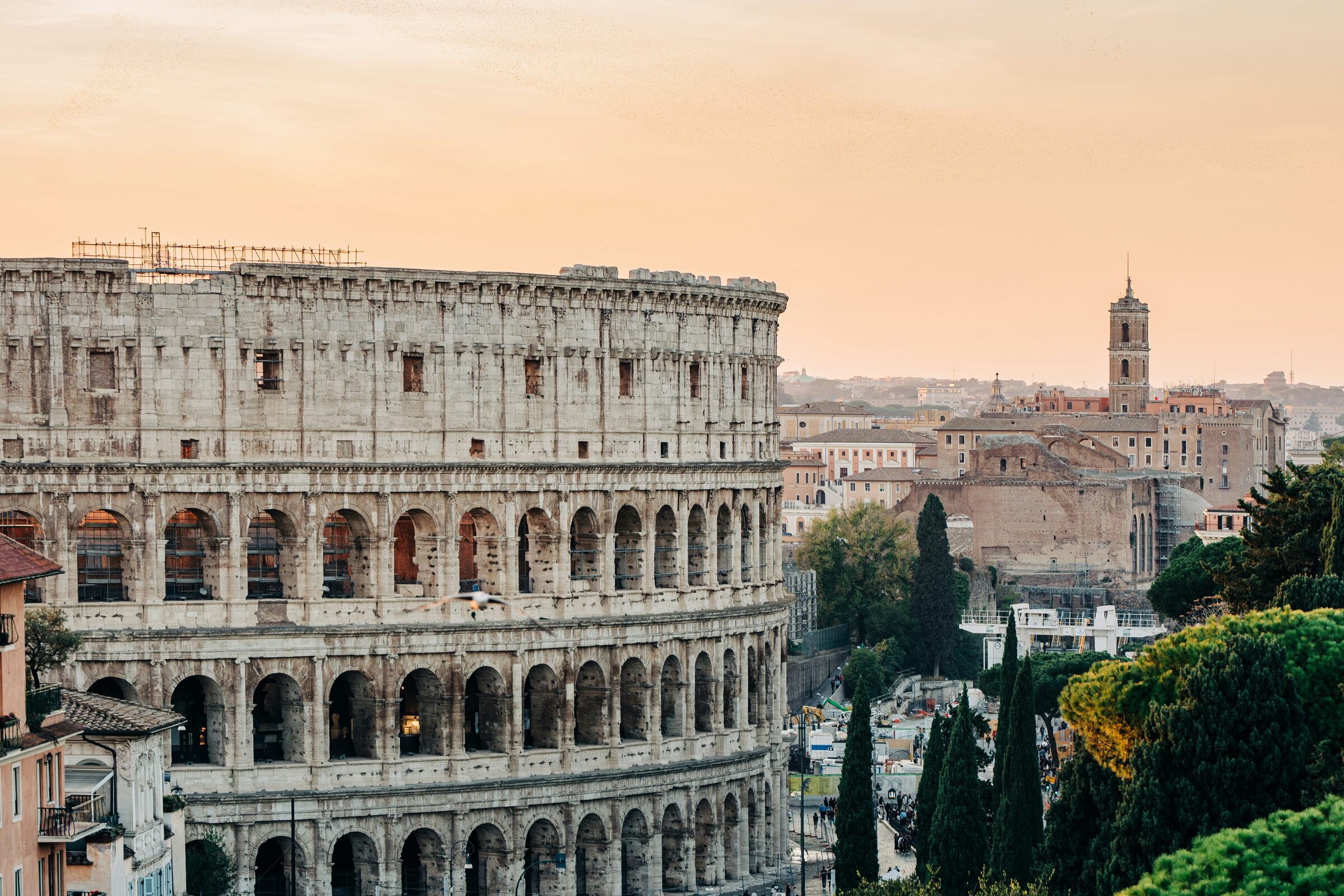
Rome — The eternal capital. Ancient, baroque, alive. Three to four nights minimum for a first visit; the Vatican, the Colosseum, the layers of history beneath medieval streets, the long lunches in Trastevere. The front anchor for most multi-city sweeps.
Florence — The Renaissance made stone. Two days sees the Uffizi and the David. Three days lets you inhabit the city. Five lets it become yours. The middle stop on the classic sweep, or the base for Tuscan day trips.
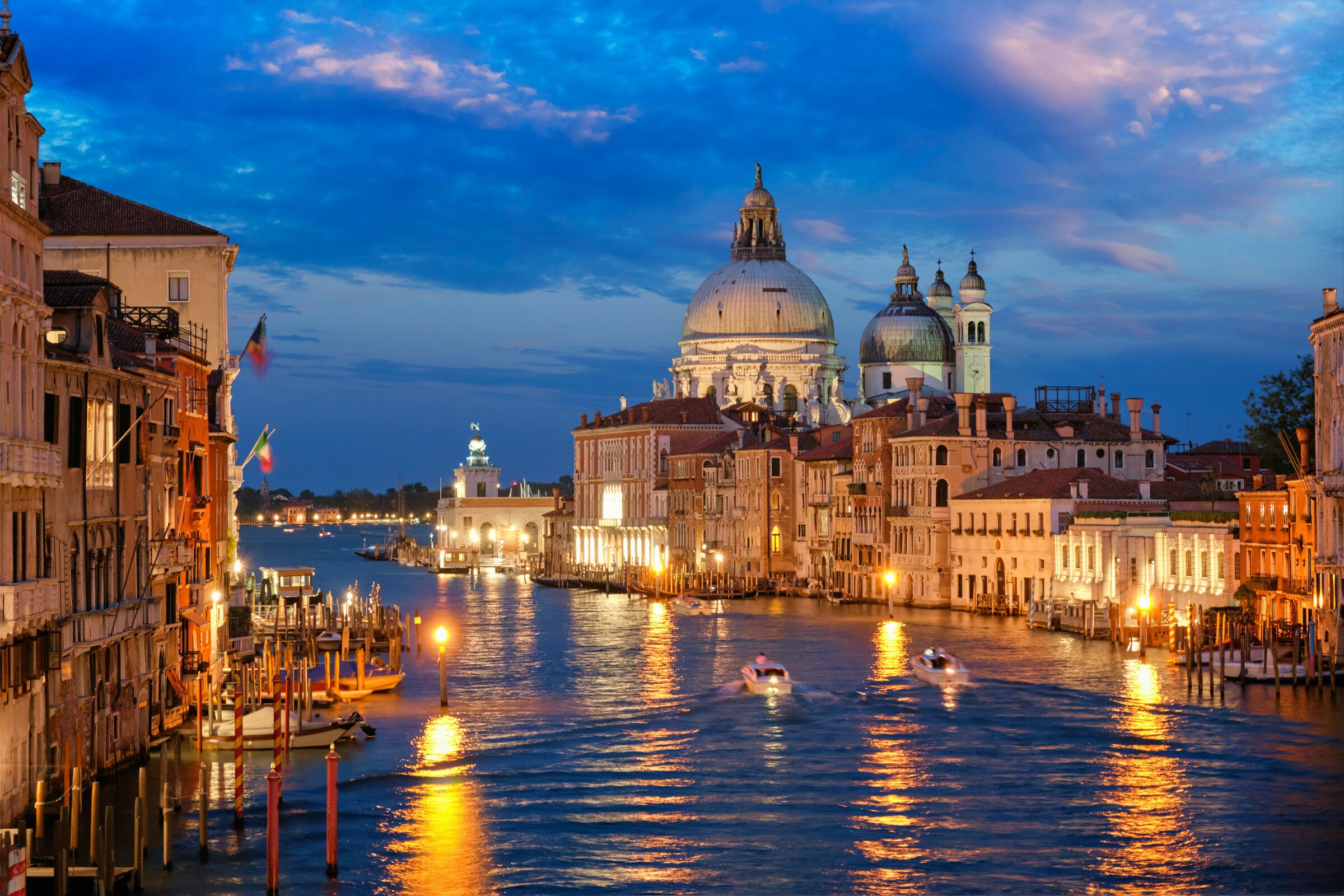
Venice — The water city. Slow by necessity (no cars, everything on foot or boat). Built for wandering. The finale of a multi-city arc, or a standalone two- to three-night experience where the pace automatically slows.
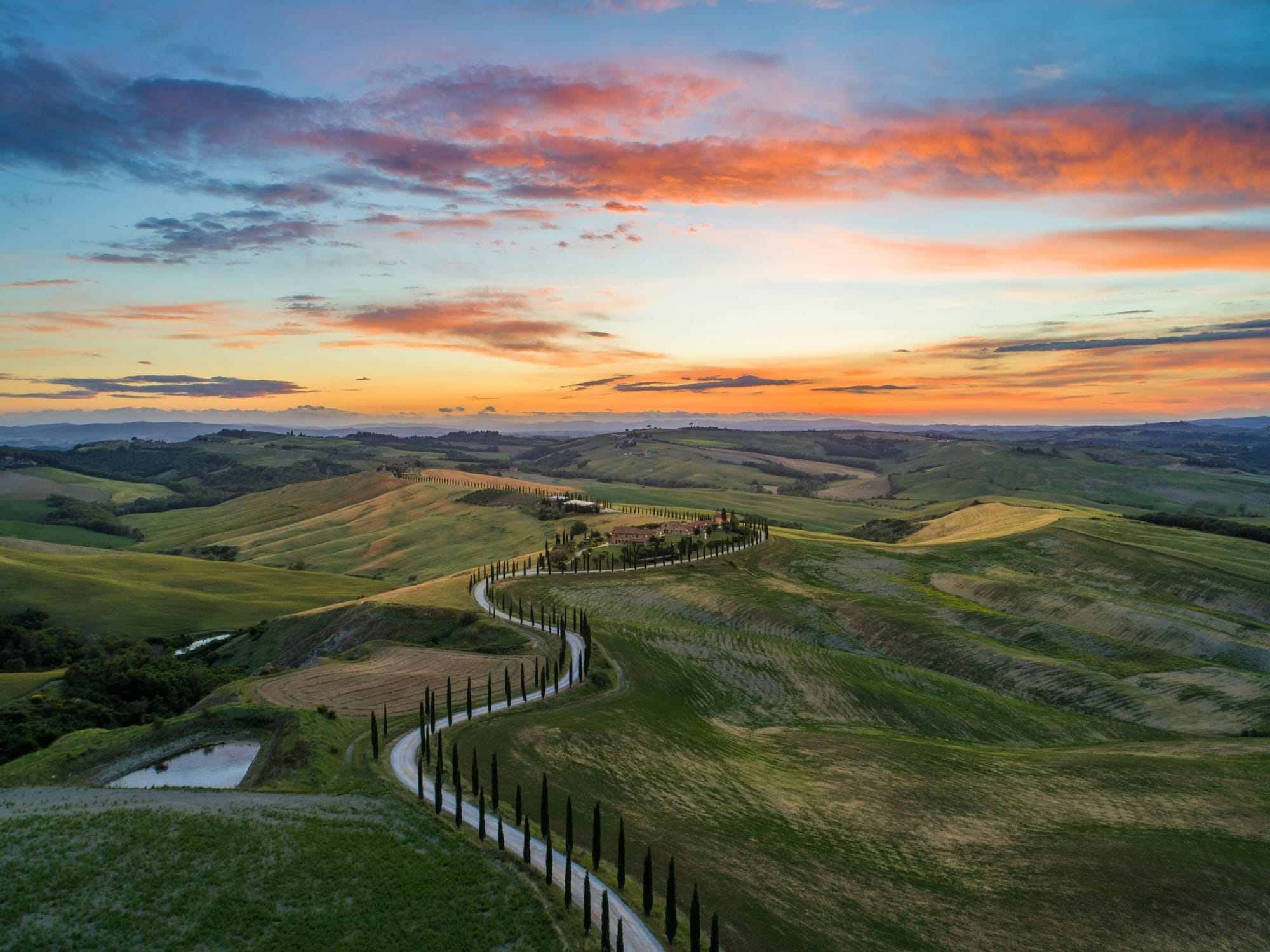
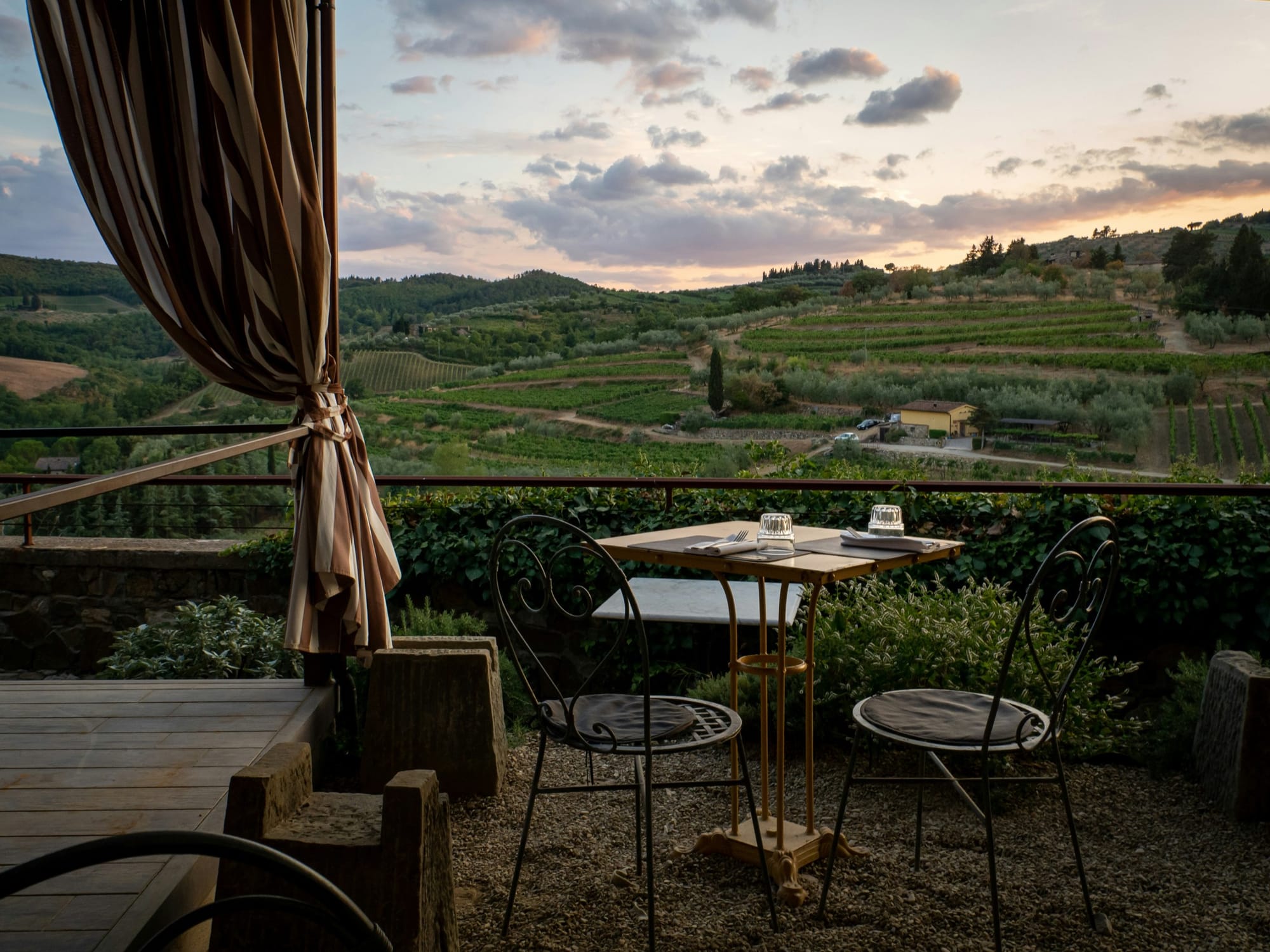
Tuscany — The countryside. Wine, cypress-lined roads, medieval hilltowns (Siena, Lucca, San Gimignano), and the valley floor villages where the real Tuscan rhythm happens. Best as a base with Florence as your hub or as a countryside retreat after a Rome-and-Florence city week.
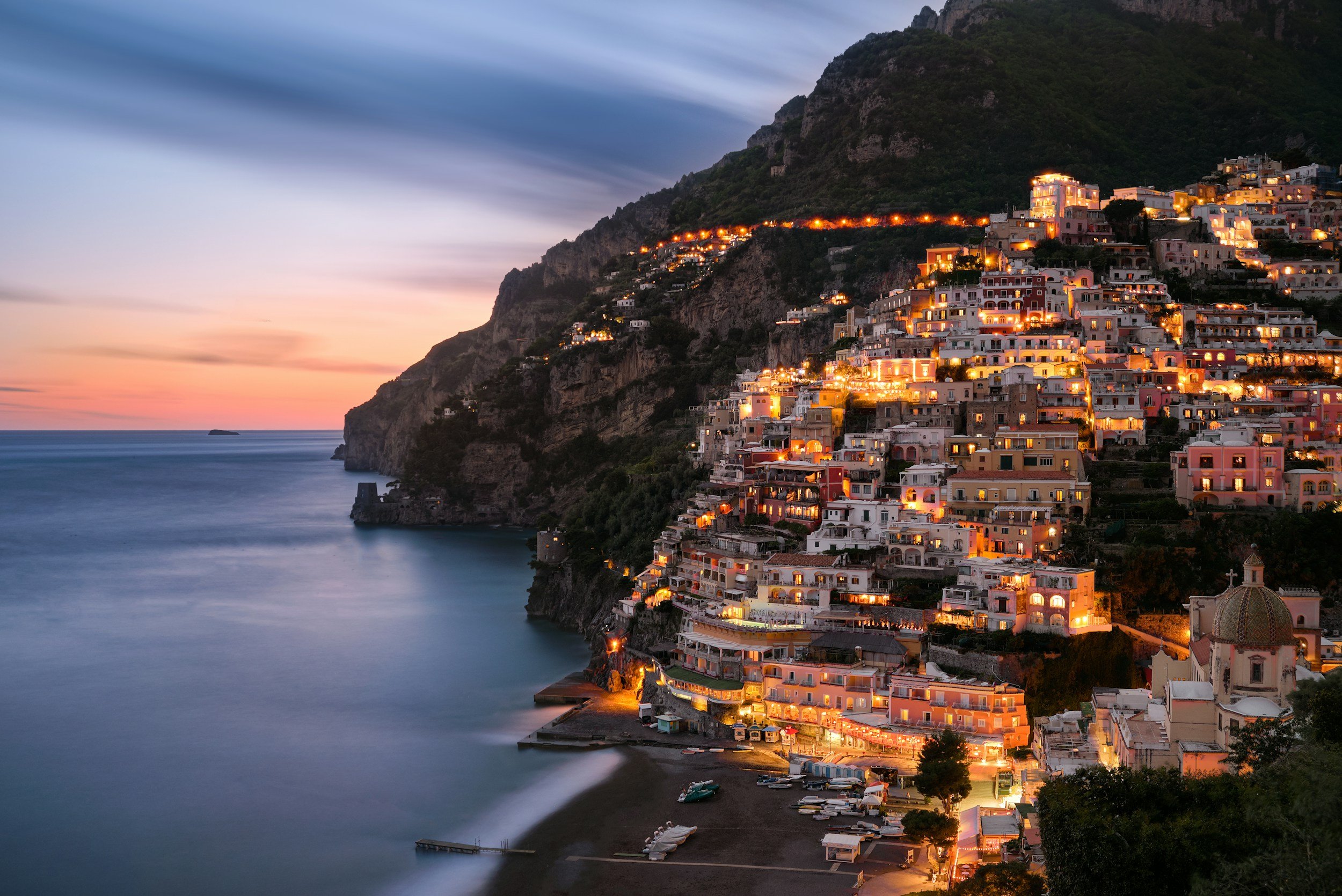
Amalfi Coast — The dramatic alternative. Positano, Ravello, Capri, Sorrento clustered along cliffs and blue water. Honeymoon territory. The right second destination if you’re pairing with Rome rather than a multi-city arc.
For city anchors, read the full guides: Rome, Florence, Venice. For countryside, read Tuscany and Amalfi Coast. For lakes and mountains, Lake Como and emerging guides on Sicily.
Want to plan an Italy trip? Start a discovery call — I’ll walk through the cities that fit your timeline, the hotel relationships behind each region, and which version of Italy becomes the trip you’ll think about for years.
What I’d Do: Three Templates
Template One: The Classic Multi-City Sweep (10–14 Days)
Rome (3–4 nights) Start in Rome. The city demands more walking than the others, and it’s better tolerated when you’re fresh. Three days covers the Vatican, the Colosseum, the Pantheon, and a long evening in Trastevere. Four days adds the Jewish Ghetto, the Aventine, and the quiet Rome that most travelers miss.
Florence (3–4 nights) Take the Frecciarossa north (90 minutes, far easier than flying). Three days gives you the Duomo complex, the Uffizi, the Accademia, and an Oltrarno afternoon. Four days adds a wine day in Chianti or a day trip to Siena. Anchor near the Duomo or across the Arno in the quieter Oltrarno.
Venice (3–4 nights) Train north again (2 hours from Florence). The city is built for slow, so even three nights feel generous. Walk, get lost, eat cicchetti (small plates) at the bar, take a gondola at sunset. No major sightseeing needed — the sightseeing is walking.
Optional: Amalfi Coast or Extended Tuscany (2–3 nights) If you have time and want to break up the city pace, either extend south from Rome to Positano or Ravello before heading to Florence, or add two nights in a Tuscan fattoria (farm hotel with restaurant) after Florence before Venice. Both reset the rhythm.
Template Two: The Tuscan Deep Dive (7–10 Days)
Florence (3 nights) Your hub. Anchor near the Duomo or Oltrarno. Day one: the Duomo complex and the Uffizi. Day two: the Accademia and Oltrarno. Day three: the Bargello or a cooking class.
Chianti or Val d’Orcia (3–4 nights) Drive or hire a car-and-driver south into wine country. Stay at a working fattoria — Castiglion del Bosco, Borgo Santo Pietro, Castello di Casole — where the days are wine tastings, countryside walks, long lunches, and dinners at the property. This is Italy moving at the pace Italy was designed for.
Back to Florence (1 night) or Straight Home One more night in Florence to decompress, or head straight to the airport from the countryside.
Template Three: The Honeymoon Arc (8–12 Days)
Rome (2–3 nights) City energy. The iconic sights, a long dinner in Trastevere, the Gianicolo at sunset. Don’t linger — you’re here for the memory, not the museum saturation.
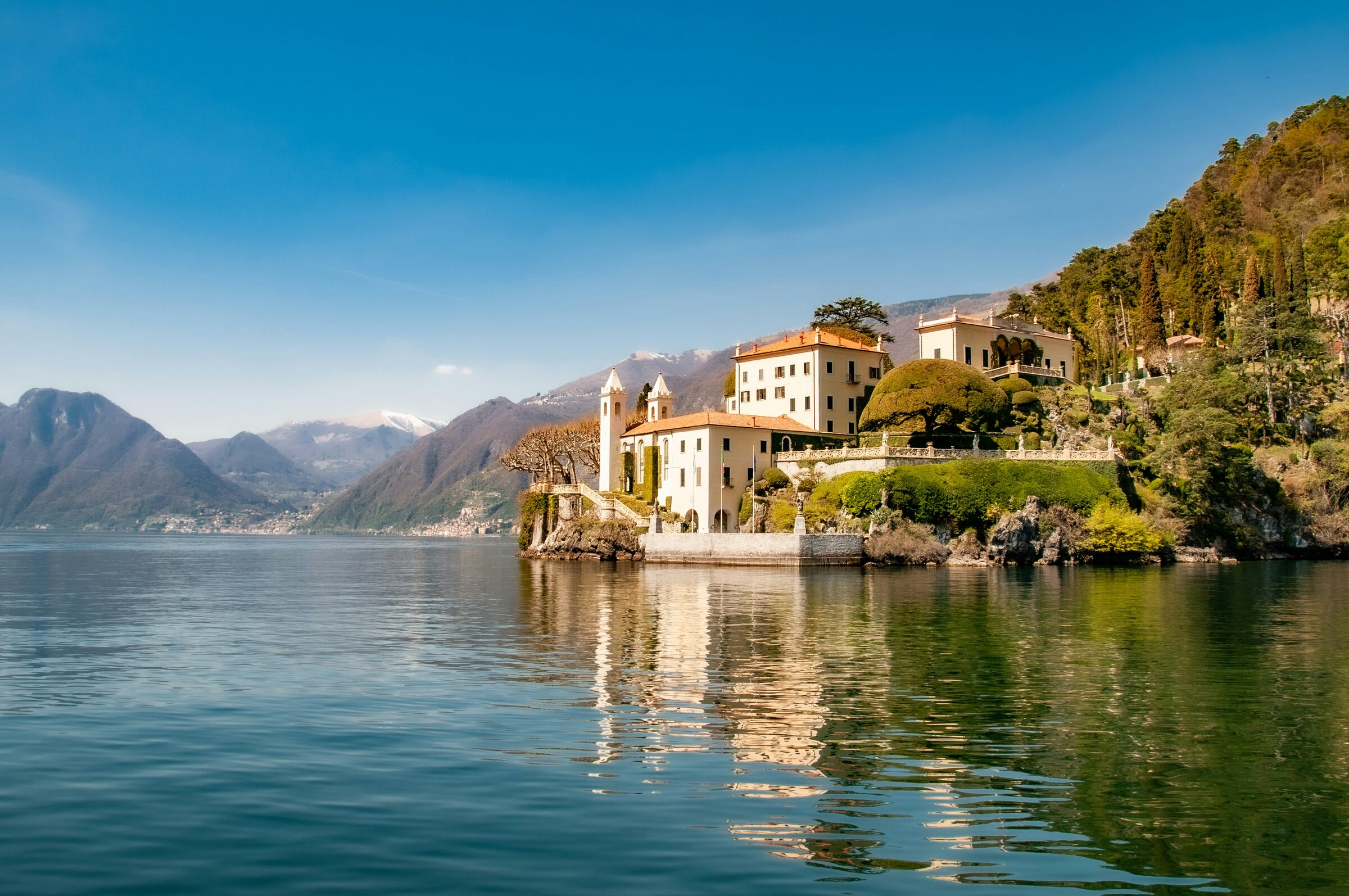
Tuscan countryside or Lake Como (4–5 nights) Anchor at a luxury property with gardens, spa, and slow pace. Castiglion del Bosco in Tuscany. Villa d’Este or Mandarin Oriental on Lake Como. This is where the honeymoon actually happens — the spa, the long lunches, the sunset walks, no museum fatigue.
Optional: Amalfi Coast finale (2–3 nights) If Tuscany-based, stay in Tuscany. If you want drama and water, Positano or Ravello for two nights at the end — Le Sirenuse, Belmond Caruso, or Hotel Santa Caterina. The Amalfi Coast honeymoon is the cliché that earned the cliché for a reason.
Specific Things I’d Tell You About
Italy is not a sprint — it’s a stay. The single most common mistake is trying to see too much. Pick three cities, give them three to four nights each, and let them become familiar rather than passed-through. The reward is not the photographs; it’s the moment you round a corner and recognize the cafe from yesterday.
High-speed rail is the spine of any Italy trip. Trenitalia Frecciarossa is some of the best-engineered rail in Europe. Rome to Florence in 90 minutes, Florence to Venice in two hours. Nicer than flying when you account for airport time, baggage, and the fact that the train leaves you in the city center. Book tickets two weeks ahead for the best prices; same-day upgrades are usually available if you’re flexible on timing.
Pre-book the major museums. The Uffizi, the Accademia, the Galleria Borghese in Rome — all require timed-entry reservations, especially in peak season. Without them, you’ll lose two to three hours standing in queues. Book the moment your dates are confirmed.
Meal hours matter more than you think. Italians don’t eat lunch before 1 p.m. or dinner before 8 p.m. Restaurants literally don’t open for dinner until 7:30. If you eat at six, the room will be empty, the kitchen won’t be in full swing, and you’ll feel distinctly out of step. Shift your schedule; the food is better when you do.
Tipping doesn’t exist the way it does in America. Service is included. A euro or two for exceptional service is kind. Fifteen percent is unnecessary and slightly awkward. Don’t overtip because you’re American; it marks you as American.
The food is not precious — it’s just good. Italian cooking is not haute cuisine. It’s the food Italians eat at home. If a restaurant is trying too hard, it’s probably not worth eating at. The best meals are at places where the menu doesn’t change, the wine list is short, and the staff knows the people at the next table. Trust the restaurant that doesn’t need to convince you.
Traveling Spoon home-cooking experiences are the right answer for food-focused travelers. A Florentine home cook teaching you ribollita and pici cacio e pepe at her family stove, then sharing the meal at the family table. A Roman host walking you through cacio e pepe and carciofi alla giudia, the Roman-Jewish artichoke preparation. These are the meals clients describe years later as the high point of the trip. I have a small set of consistent hosts I work with — pairing depends on your city, dietary needs, and vibe.
What I’d Skip
Restaurants with laminated multilingual menus and a host trying to pull you in from the alley. This pattern repeats in every major tourist area: Pantheon, Trevi Fountain, Piazza San Marco, Piazza della Signoria. Walk three blocks deeper. The good restaurants don’t need to advertise that hard.
The same churches twice. Italy has more churches than any country on earth. You don’t need to see six. Pick three, spend real time in them, and move on.
Doing more than one major museum complex per day. The Uffizi is worth three hours. The Vatican is worth half a day. Piling them both into one day turns sightseeing into a slog. Give each its own day, or skip one.
Rental cars in the centro storico of any major city. The traffic was last designed in medieval times and hasn’t meaningfully improved. Use trains for intercity travel, taxis or your feet in cities, and hire a car-and-driver for day trips or countryside weeks. It costs less than you think and is infinitely less stressful.
The expectation that you’ll “see” Italy in one trip. You won’t. You can’t. The country is too layered, too regional, too complex. Pick your version, live in it slowly, and plan to come back. The second trip is always better than the first because you stop trying to see and start trying to understand.
For Multi-City Italy Sweep Travelers
The classic arc is Rome →︎ Florence →︎ Venice, three to four nights in each city, Frecciarossa high-speed rail the whole way. This is the template that works: Rome’s walking demands energy, so it’s best first. Florence is the connective tissue between the ancient and the Renaissance. Venice forces slowness by its nature (no cars, everything on foot or boat).
The timing works: Rome on days 1–3/4, Florence on days 4/5–7/8, Venice on days 8/9–10/11. Flights out of Venice on day 11 afternoon or day 12 morning.
Depth matters more than width. Three full days in Florence is better than three days in Florence and two in Milan. The cities reward the days you actually give them.
If you’re combining Italy with Greece (Athens, Santorini), the sweep becomes Rome →︎ Athens →︎ Greek islands →︎ back through Rome or Venice. If you’re adding Austria (Vienna, Salzburg), the arc becomes Venice →︎ Vienna or Salzburg →︎ back south. These decisions pivot on timeline and your energy for trains.
For the full multi-city design — hotel sequencing, train booking, day-trip logistics — start a discovery call.
For Honeymooners
Italy is the ultimate honeymoon country, but only if you stop trying to see and start trying to be. The honeymoon is not the three-day Rome-Florence-Venice sprint. It’s the version where you anchor in one place, give yourself time, and let the pace slow.
The classic honeymoon arc:
- Rome for 2–3 nights (city energy, the Gianicolo at sunset, a long dinner in Trastevere)
- Tuscany or Lake Como for 4–5 nights (luxury property with spa and gardens; this is where the actual honeymoon happens)
- Optional: Amalfi Coast for 2–3 nights if you want a third setting, or extended Tuscany if you want to go deeper into wine country
The honeymoon meals, in my read: a Traveling Spoon home-cooking experience (learning to make fresh pappardelle in a Florentine kitchen, then eating at the family table), followed by a single Michelin-starred dinner where you linger for three hours. The rest of your meals should be neighborhood trattorias where the focus is the wine and the company, not the performance.
If you want me to design the full honeymoon — city timing, the right countryside base, the meals that land — that’s exactly what I do. Start a discovery call.
For Slow Travelers
The slow Italy trip is not a hotel-a-night sprint. It’s one city, or two cities at most, with time to actually inhabit them.
Example: The Florence-based week. Florence for seven nights. Day one and two: the major sights (Duomo, Uffizi, Accademia). Days three and four: Oltrarno workshops, long lunches, slower pace. Day five: a wine day in Chianti or Val d’Orcia. Day six: a cooking class or a day trip to Siena or Lucca. Day seven: whatever you’ve fallen for.
By day seven, you know the bar where the locals stand for morning coffee. You have a favorite restaurant. You can navigate the side streets without a map. That’s the version of Italy worth having.
Or anchor in Rome for six nights: three for the major sights, three for the Rome that tourists miss — the Jewish Ghetto, the Aventine, the slower neighborhoods, the long Sunday lunches that extend into the afternoon.
The slow version of Italy is cheaper than the sprint version (fewer hotels, fewer restaurants, longer table time at cheaper venues) and infinitely more memorable.
For Tuscan-Country-Base Travelers
Skip the city entirely. Anchor at a Tuscan fattoria — a working wine estate with a hotel, restaurant, and gardens — and let Tuscany be your base.
Castiglion del Bosco (Montalcino): Brunello di Montalcino wine country, rolling hills, a medieval fortress setting. The estate winery, the restaurants, the spa. This is where honeymooners go.
Borgo Santo Pietro (Pienza): Val d’Orcia UNESCO-protected region, cypress-lined roads, the white clay hills that make the landscape look like a painting. Slower, more countryside-focused.
Castello di Casole (Siena): Siena wine country, a restored castle, more medieval-drama setting, closer to the hilltowns.
Rosewood Castiglion del Bosco (Montalcino): The luxury anchor for the purist version.
From any of these bases, days are wine tastings at the property vineyard, drives to hilltowns (Montepulciano, Pienza, San Gimignano), cooking classes, and long lunches at the restaurant. No museum fatigue. No rushing to catch a train. The rhythm is entirely up to you.
For the full country-base experience — lodging, wine tastings, day trips, meals — start a discovery call.
Plan Italy With Me
Whether you’re thinking about Italy as a classic multi-city sweep, as a honeymoon split between cities and countryside, as a slow single-city anchor, or as a multi-region deep dive — that’s exactly the kind of planning I do. A 30-minute discovery call is where it starts. No fee, no pressure. Just the country, your timeline, and what you actually want to feel when you’re eating lunch at 2 p.m. in a trattoria where you’re the only tourists.
Book Your Free Discovery Call →︎
Last updated: April 2026. I keep this guide current. If a hotel I recommend slips, a restaurant closes, or train schedules shift, the page changes. Italy changes. The work doesn’t stop when the page goes live.