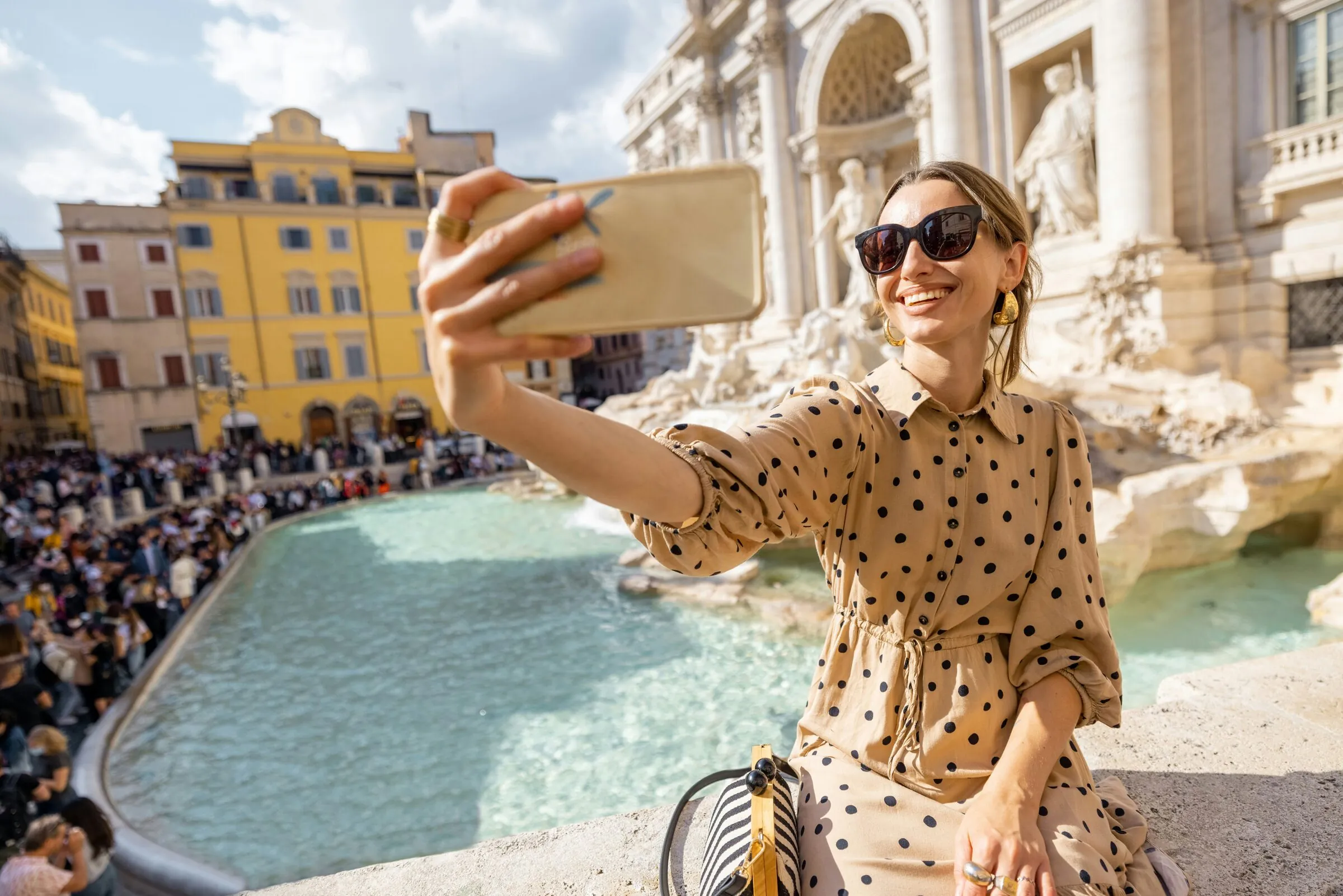
The celebration trips that get written about are usually group celebrations — the bachelorette, the girls trip, the milestone-birthday party. They’re loud. They’re documented. They’re the narrative everyone recognizes.
Then there are the solo celebrations. The person who reached a milestone alone. The person who left a marriage and decided to mark that moment by traveling. The person who got promoted and wanted to take themselves on a trip. The person who retired and wanted to stand in a place they’ve always wanted to be.
These trips are quietly growing. And they deserve better than the “brave solo traveler” framing that travel media defaults to.
Why Solo Celebration Is On the Rise
Delayed-life-events. Marriages happen later. Promotions happen later. Children happen later. For people who reach these milestones unmarried or without the traditional family structure, solo celebration is the natural path. It’s not second-choice. It’s the actual choice.
Financial independence. Some people reach milestones without having to negotiate with a partner’s timeline, budget, or desires. They have money. They have time. They can take themselves somewhere.
Post-pandemic rethinking. The last few years made some people rethink what celebration means. It doesn’t have to be public. It doesn’t have to be loud. It can be quiet, intentional, and completely on your own terms.
Post-relationship clarity. The person who leaves a marriage and decides that standing in Florence alone is the way to mark the moment. The person who ends a long-term relationship and takes themselves on the trip they’d postponed. These are real. And they’re not anomalies anymore.
Where Solo Celebration Works Best
Cities are better than beaches. This is the most practical distinction. In a city, you can be alone without feeling alone — there are people everywhere, the restaurants are full, the streets have activity. On a beach, if you’re alone, you notice it more.
Italy. Florence, Venice, Rome, Siena — cities with enough complexity that you can spend hours just walking and observing. The restaurants work beautifully for solo dining (the counter, the bar, the small table where you watch the kitchen). The pace is slow enough that being alone doesn’t feel rushed. The food and the architecture do enough of the work that you don’t need a companion to feel like the trip is full. [Italy guides →︎]
Spain. Madrid, Barcelona, Seville, San Sebastián — the Spanish culture actually celebrates solitude at the table. Solo dining is normal. The late-dinner culture means you’re not eating alone — you’re eating in a full restaurant. The cities have enough visual complexity that walking alone feels like an activity.
Portugal. Lisbon, Porto — cities that are growing and interesting without being overwhelmingly touristy. The food is good. The neighborhoods reward walking. Solo travelers are common and unremarkable.
Japan. If you want something completely different: Tokyo, Kyoto, Osaka — cities where solo travel is not just accepted but common. The restaurants have solo seating built in. The public transportation makes it easy to navigate. The culture doesn’t assume you need a companion.
Not recommended for solo celebration: The Caribbean resorts, the tropical beach destinations, the all-inclusive properties. These are built around couples and families. They feel designed for togetherness. Solo in a tropical resort often feels like you’re the person waiting for someone to show up. Cities are better.
The Hotel Selection Question
The hotel you choose matters more than it does on a couple’s trip. It becomes your home base, your restaurant, sometimes your social anchor.
The lobby that’s good to read in. This sounds small. It’s actually crucial. You want a lobby where you can sit for an hour with a book or a coffee and it feels natural. Where the staff doesn’t hover. Where there are other solo people sometimes, or at least it doesn’t feel strange.
The restaurant that works for solo dining. Either a high-end restaurant with a chef’s counter where you can watch the kitchen, or a casual restaurant with a bar where solo seating is normal. You don’t want to eat in your room. You want to be in the restaurant, in the world, and have the restaurant design accommodate that.
The single-supplement reality. Single rooms are more expensive per-night than they should be (hotels charge almost as much for one person in a single as they do for two people in a double). This is the reality. Factor it in. But don’t let it make you hide in a cheap hotel. A nice hotel with good solo infrastructure is worth the upgrade.
The neighborhood that’s walkable. You’re going to spend time walking. The hotel should be in a neighborhood where that’s rewarding — restaurants within walking distance, neighborhoods to explore, people on the streets.
The Pacing Framework
Solo travel pacing is different from couple pacing or group pacing. It’s slower. It has a different rhythm.
One anchor experience per day. Not because you can’t do more, but because you don’t have to prove anything. One museum. One long walk. One cooking class. One restaurant that’s the focus. Everything else unfolds around it. This pace lets you actually be present instead of checking boxes.
Permission to sit. Sitting in a café watching the city go by is an activity. You don’t have to justify it. You don’t need a companion to make it legitimate. It’s the reason you came.
Flexibility on the itinerary. If you arrive in a city and the thing you planned to do doesn’t call to you, don’t do it. If you arrive and fall in love with a neighborhood, stay there an extra day. Solo trips have the freedom to reshape themselves. Use it.
Meals as the anchor. Book one special dinner per visit (somewhere quiet, somewhere good, somewhere you’ll remember). Eat the other meals wherever you want — cafés, bakeries, casual spots. The one meal you’ve planned gives you something to look forward to.
If you’re thinking about a solo celebration trip — and you want it to feel like what it actually is: a serious marking of a moment in your life, not a “brave solo traveler” narrative — I plan these with the same care I bring to couple trips and group trips.
I choose destinations where solo is actually the normal mode. I pick hotels where solo dining and solo presence are designed into the space. I pace the itinerary so you’re not rushing through experiences — you’re actually inhabiting them.
A solo celebration trip is one person marking a milestone. It deserves intention and clarity and a destination that actually works for that.
A 30-minute discovery call is where this starts. Tell me what you’re celebrating, what’s calling to you geographically, and what kind of pace feels right for this moment.
Book Your Free Discovery Call →︎
Last updated: May 2026. Solo celebration travel is a growing category. This guide stays current.
Plan your trip with me.
A 30-minute discovery call is where it starts. No fee, no pressure.
Book a Discovery Call