The book. Life on the Mississippi is Twain’s memoir of his years learning the river as a steamboat cub pilot, and buried in it is the best description of expertise I’ve ever read. The water’s surface, he wrote, became “a wonderful book… which told its mind to me without reserve.” Then comes the sadder, truer confession: once he could read the river, he couldn’t really see it anymore — the beauty had all turned into information. Every professional knows that trade. It’s why I still read like a civilian.
But here’s why this book opens the series: it’s a love story about reading a place. Twain spends four hundred pages teaching you that a river is a text — that every ripple means something, every cutoff rewrites the map, every town on the bank has a chapter’s worth of secrets. By the end you don’t want to look at the Mississippi. You want to be on it, moving at its speed, learning it a bend at a time.
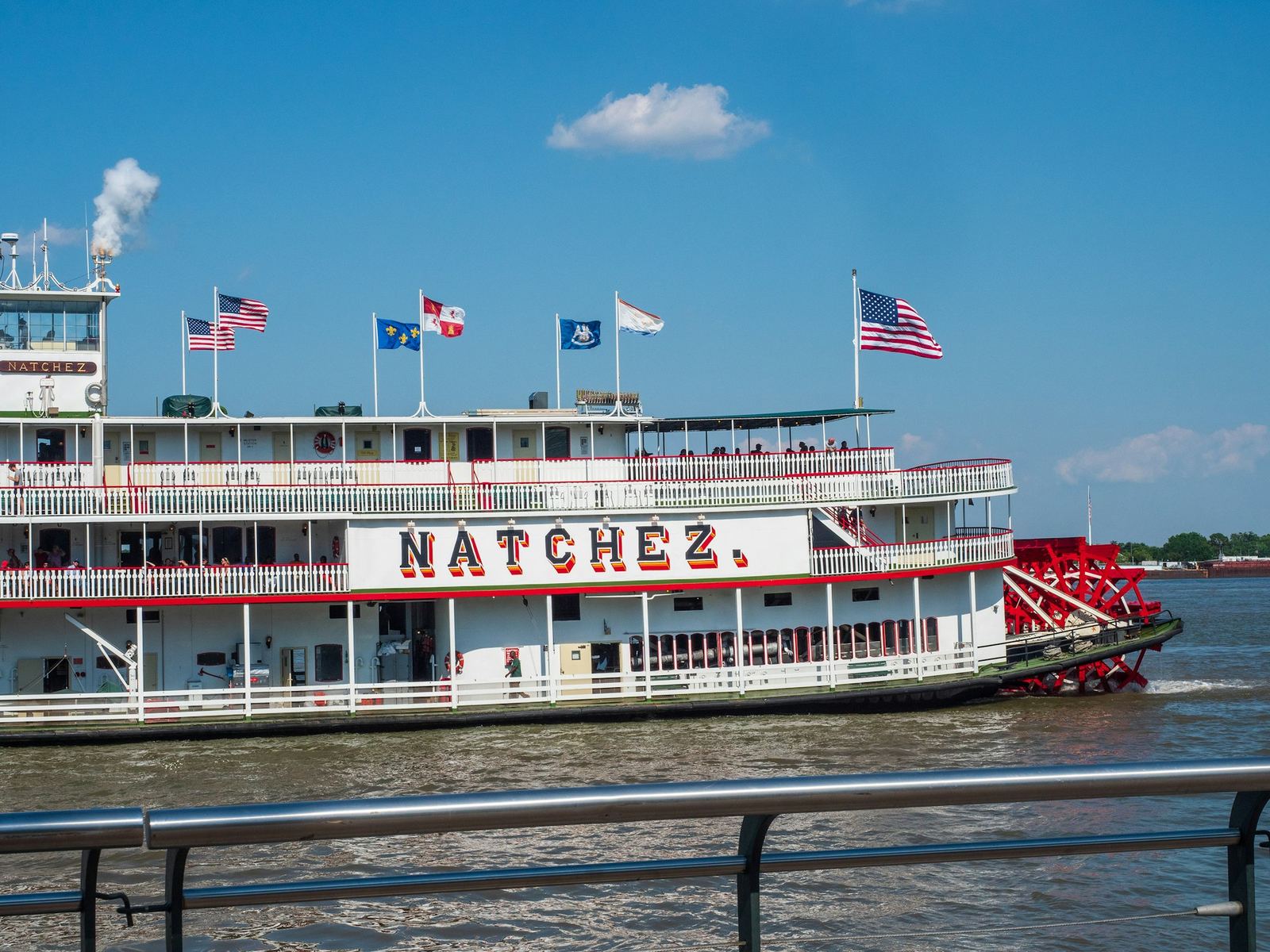
The route. The way the book wants it: downstream, Memphis to New Orleans, seven-ish days, by river ship — because a paddlewheel-paced boat is the last vehicle in America that still moves at reading speed.
- Memphis, two nights before you board. Beale Street the first night, sure — but the second, the Stax Museum and dry-rub ribs at a place where the walls sweat. Start the book here; Twain’s Memphis chapters land differently when you can smell the river.
- The river days. Vicksburg, Natchez, St. Francisville — the towns Twain knew as a pilot, each one a front porch facing the water. Vicksburg with the book in hand is a history lesson that doesn’t need a lecturer.
- Natchez. The antebellum houses ask complicated questions and the book helps you ask them honestly — Twain didn’t romanticize this river’s economy, and neither should the trip.
- Baton Rouge →︎ New Orleans. The delta widens, the light goes gold, and you finish the final chapters on deck the way they deserve.
- New Orleans, two nights after. Preservation Hall for the jazz. A po’boy standing up. And one long dinner in the Quarter where you argue about the book.
On the booking side, this is one of the trips where the boat decides the trip: American Cruise Lines runs the classic Memphis–New Orleans stretch on modern riverboats and genuine paddlewheelers, and Viking’s ship now works the river end to end — New Orleans all the way up toward St. Paul — with 2027 itineraries already open for booking. Which one fits you is a temperament question — it’s exactly the conversation a discovery call exists for.
The glass and the bite. A Sazerac — rye, Peychaud’s, the absinthe rinse — invented in New Orleans and still best there, but buildable at your own bar tonight. Beside it, beignets if you’re ambitious, good pralines if you’re honest. Pour, dust the powdered sugar, open to chapter one: “The Mississippi is well worth reading about…” He’s right.
If you need a copy: Life on the Mississippi — the Penguin Classics edition. From Bookshop.org, whose profits go to independent bookstores. It’s an affiliate link — I earn a small commission and it costs you nothing.
The invitation. Read it together. Live it together. If your book club reads Life on the Mississippi this fall, you are eight weeks and one conversation away from doing this as a group — river ships were built for exactly your headcount, and there’s usually a way to make the ringleader’s math work in their favor. I wrote about how hosting your own group trip works here. When you’re ready: book the call.
Plan your trip with me.
A 30-minute discovery call is where it starts. No fee, no pressure.
Book a Discovery Call