Why I’m the one writing this
I’m a Jew. I’ve said that at more length in the long essay; here it gets one sentence, because the rest of this page is about the work.
What the lens changes is not the destinations. Prague is Prague. What changes is what the trip knows about itself — which threshold matters and to whom, which evening is Friday evening, which guide will stand with your mother at the door of the synagogue while she gathers herself, and which one will check his watch. Whether the kosher question is a planning conversation in week one or a scramble in a hotel lobby. Whether the day at Auschwitz has a quiet afternoon on either side of it, or a train to catch.
I plan trips to Israel for clients who love it as I do. The rest of this page is the how.
What I actually plan
Four shapes these trips take, and two things I handle before you have to ask. Most real trips are a blend of two or three.
The b’nai mitzvah trip
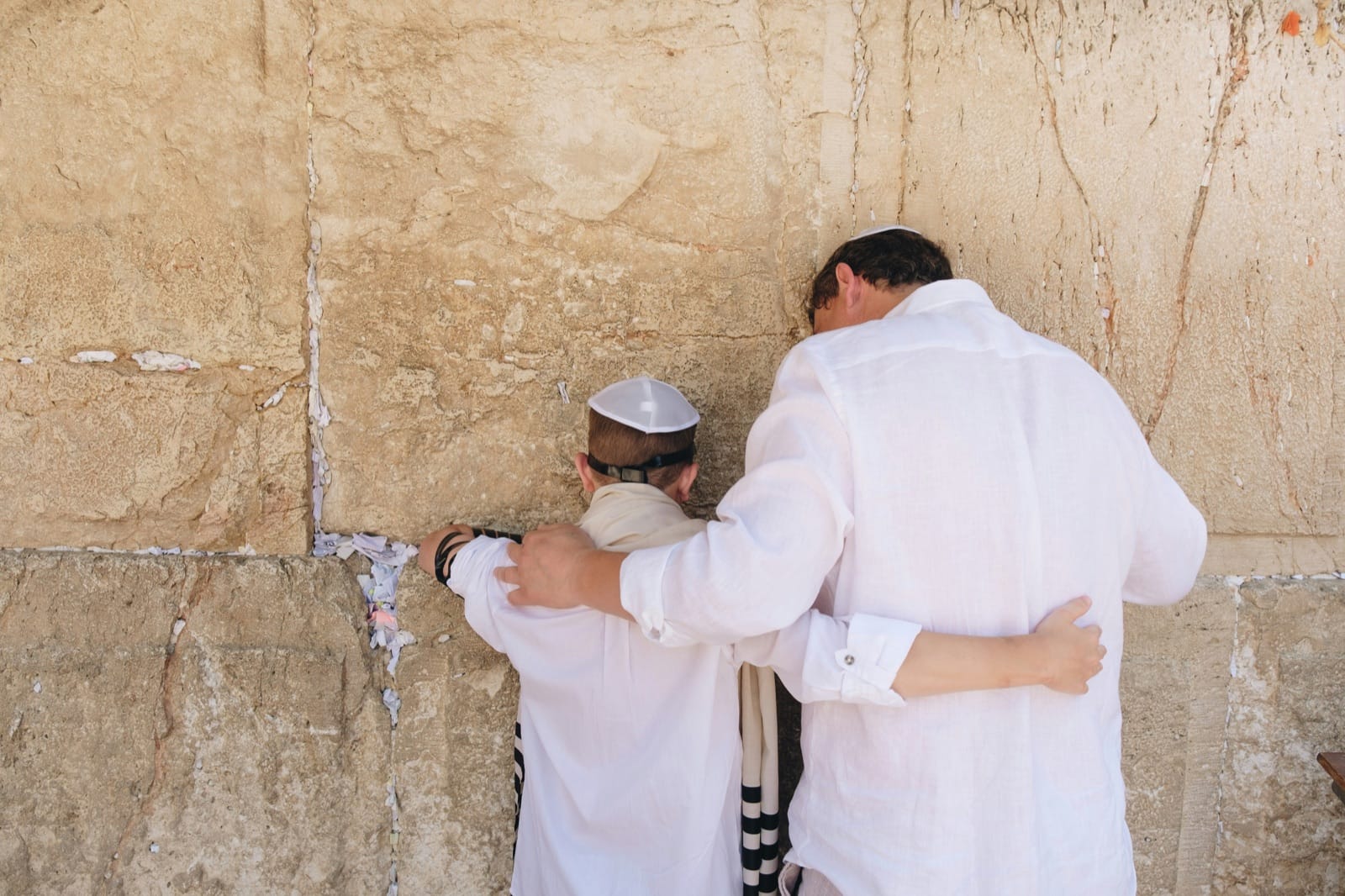
The punctuation mark on a year of preparation. Sometimes Israel — the aliyah at the Kotel, the desert, the beach where the kid finally exhales. Sometimes an arc through Europe that ends there. Sometimes a smaller family thing in Spain or Italy that connects a child to the half of the heritage they’re growing into. It has to land on one specific human on one specific morning. That isn’t a brochure trip.
The multigenerational arc
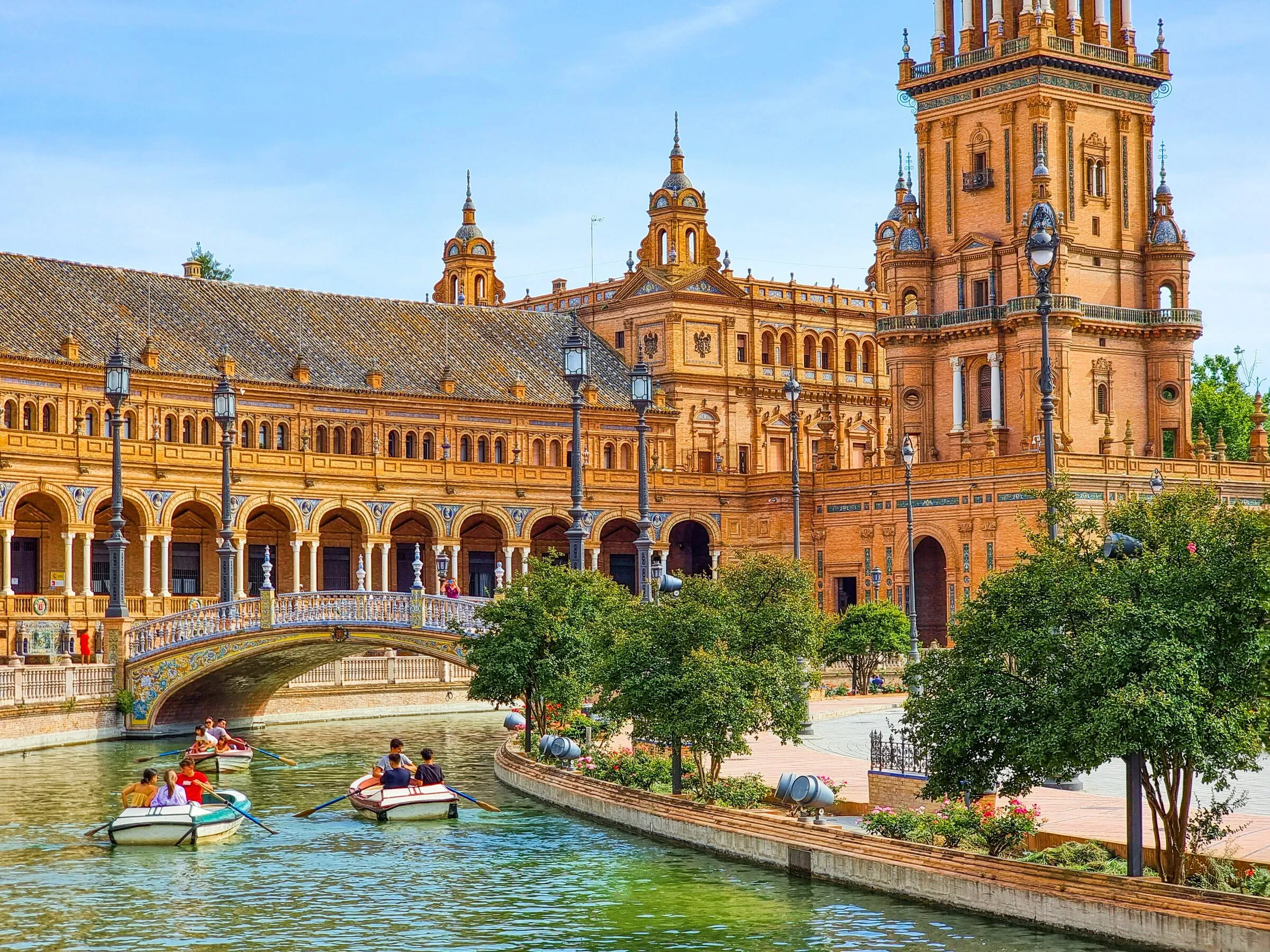
Grandparents, parents, kids, through a region that means something to the family. Often Sephardic Iberia. Often Ashkenazi Central and Eastern Europe. The work is pacing three generations of stamina, and leaving room in the day for the moment the trip is actually organized around — three generations stepping into a synagogue together.
Israel, as a country in its own right
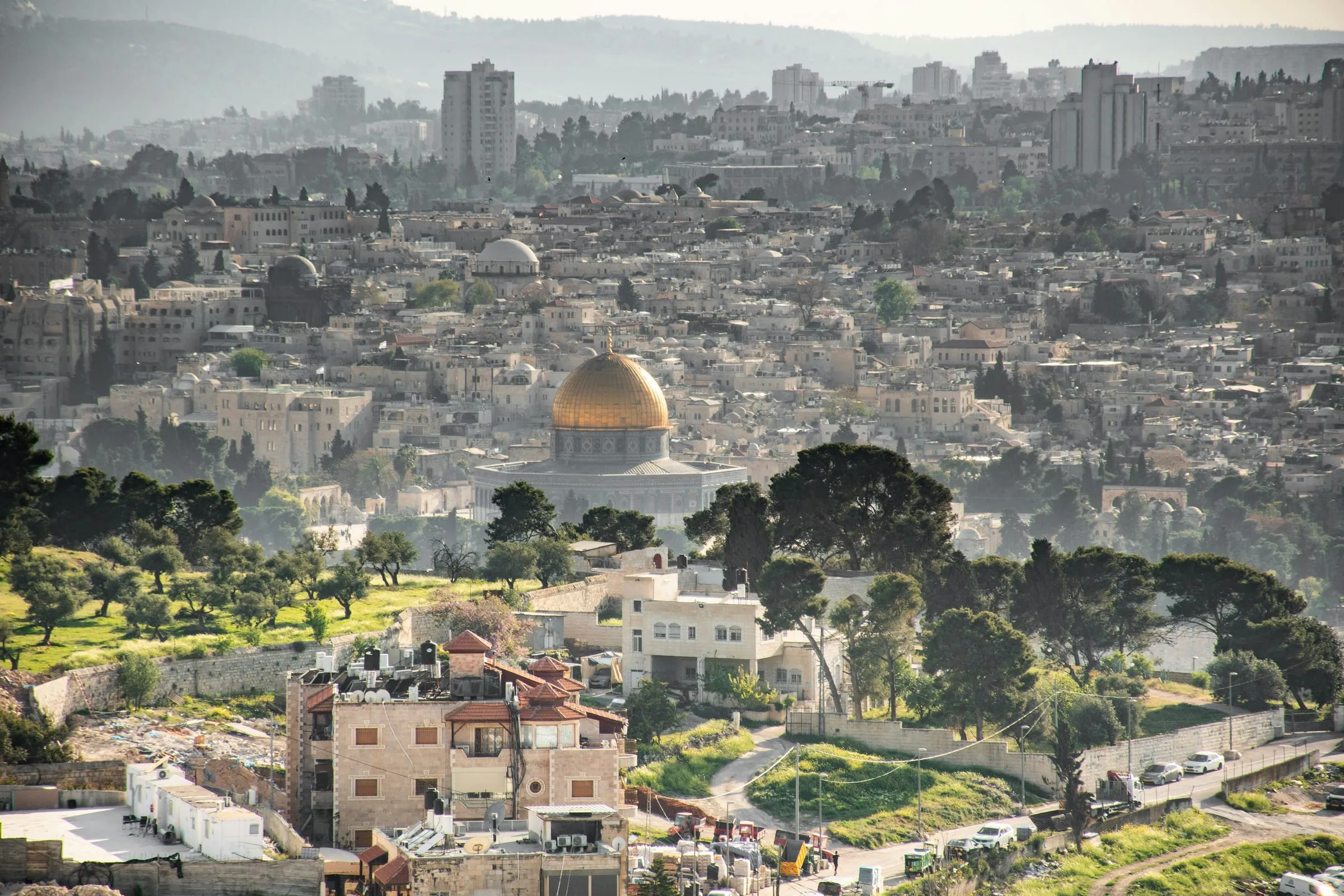
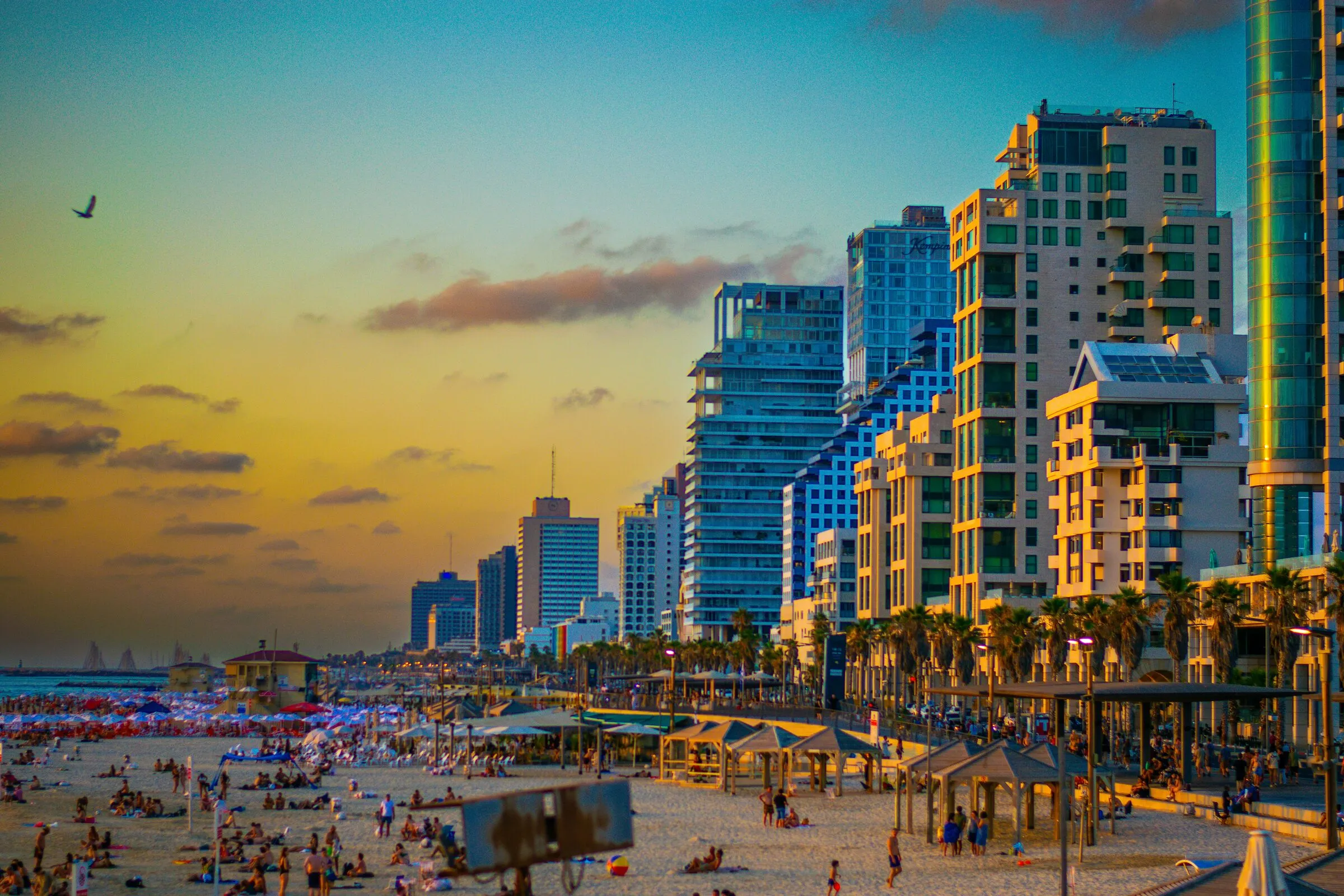
Tel Aviv for the city. Jerusalem for the city. Galilee for the wine and the slowness, the Negev for the sky. At every length and every intensity — including the trip that wants a beach, a great hotel, and not a single guided tour, which is also a legitimate way to be in Israel.
Memorial travel done with care
There is a way to visit Auschwitz that turns it into a box to tick, and a way that honors what the place is. The difference is the operator, the pacing, and what we do with the days on either side. I don’t plan trips to atrocity sites. I plan trips that include them as part of the larger work of remembering.
Kosher and Shabbat, early
Fully kosher, kosher-leaning, Shabbat-observant, or one candle-lit Friday dinner and otherwise not a factor — we have that conversation in the first call, not the last week. The infrastructure exists across Europe and Israel if the advisor knows where to look. I know where to look.
The right guide, not the Tuesday tour
Heritage packages run the same synagogue walk for thirty groups a season. The operators I work through will linger at the cemetery longer than the schedule says, skip a stop when the seven-year-old is done, and know your kids’ names by the second day. That’s the whole difference, and it’s the part you can’t see from a brochure.
Where I’ve written this in
Guides where the Jewish layer is already on the page — the quarter, the synagogue, the cemetery, the kosher table, the honest caveat. Some are the reason for the trip. Some are a thread through a trip you’d take anyway.
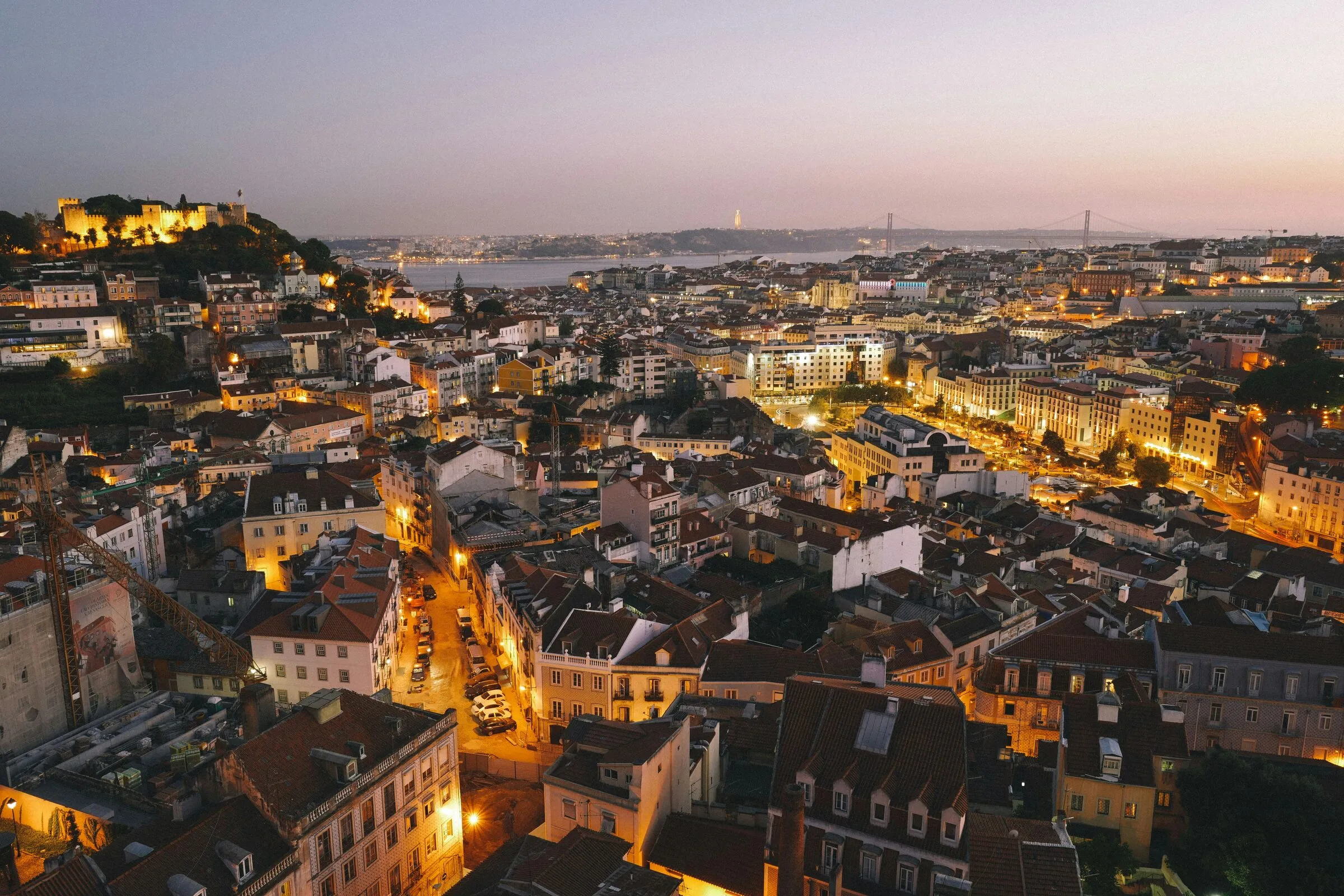
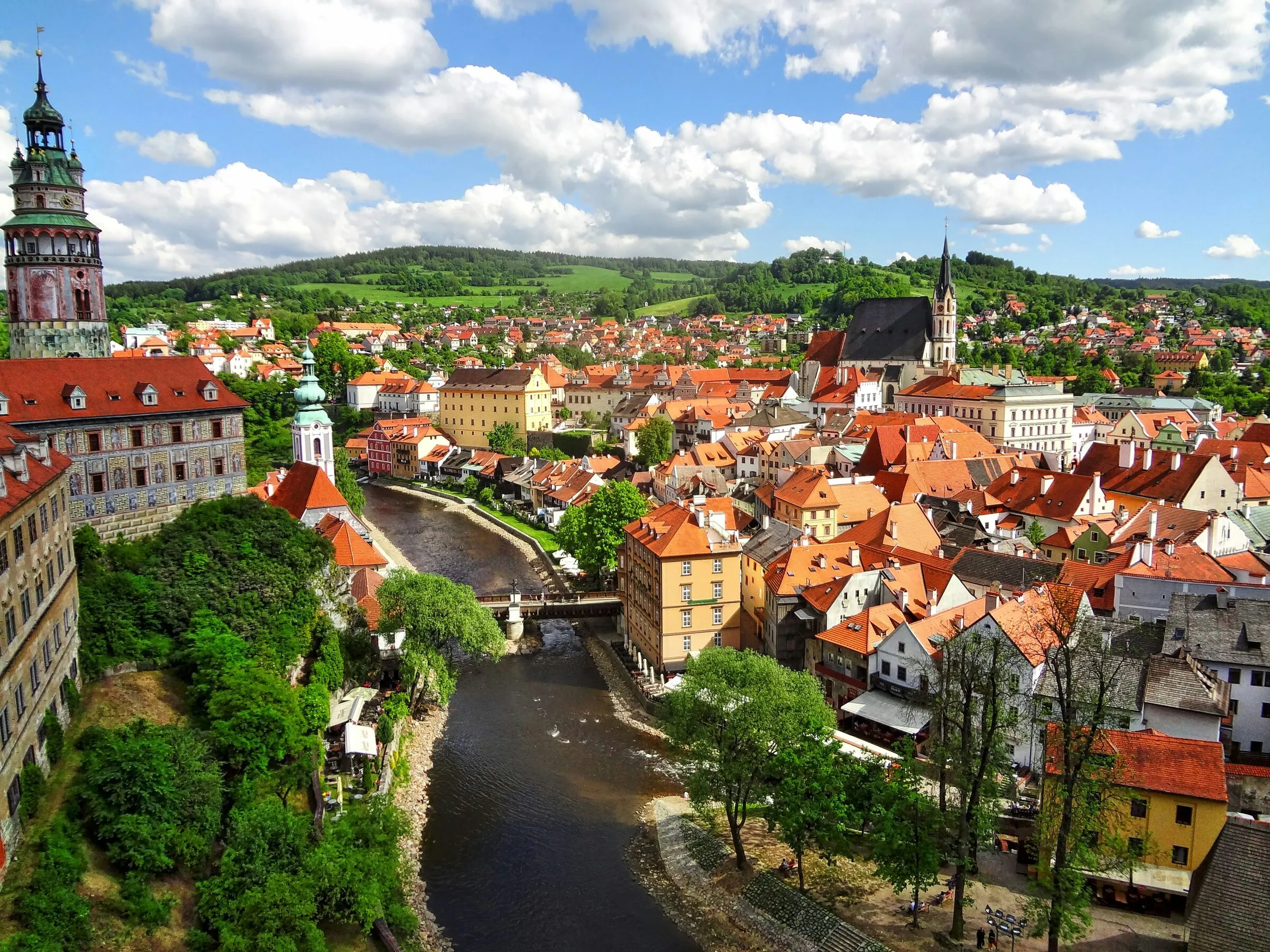
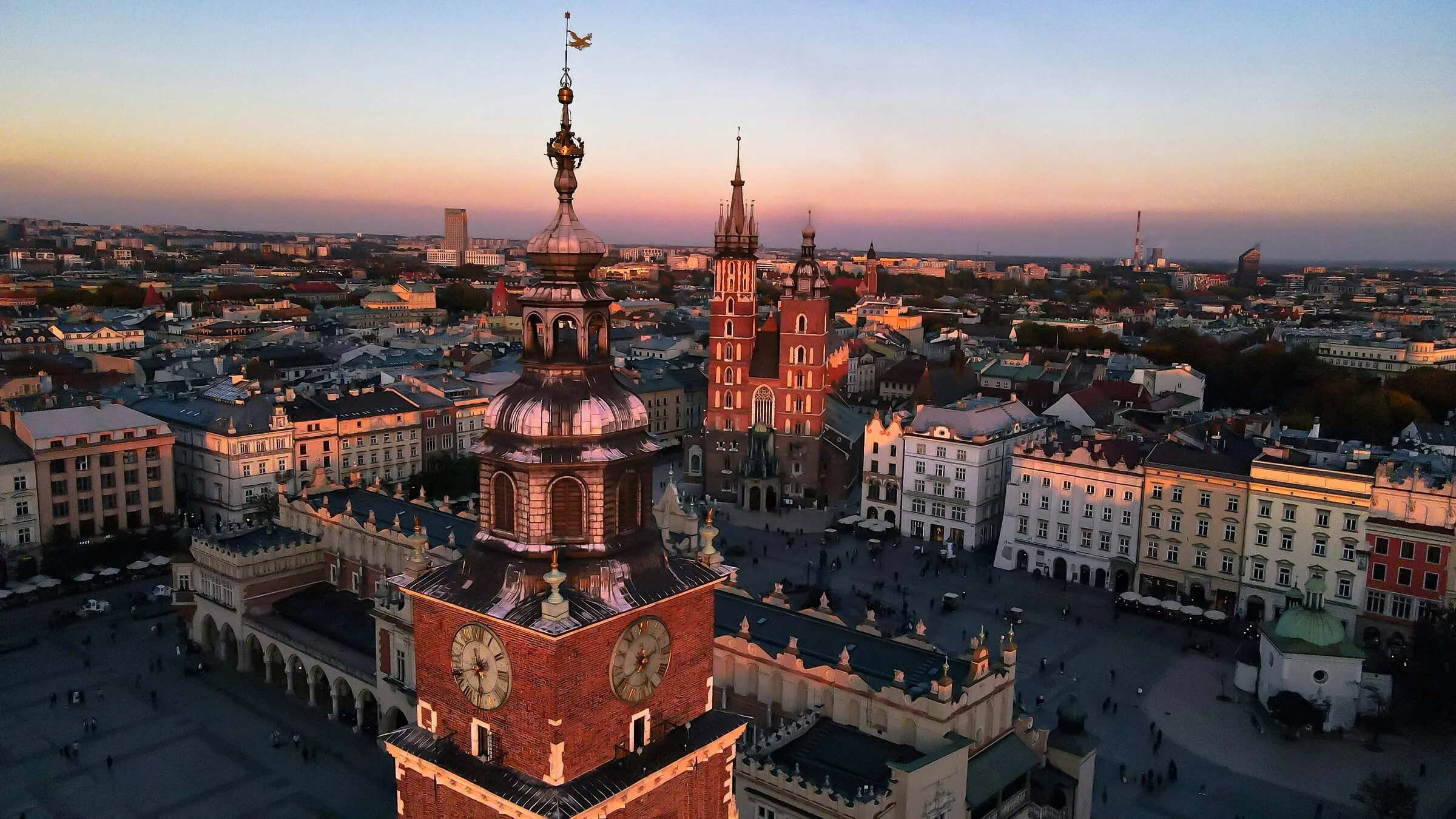
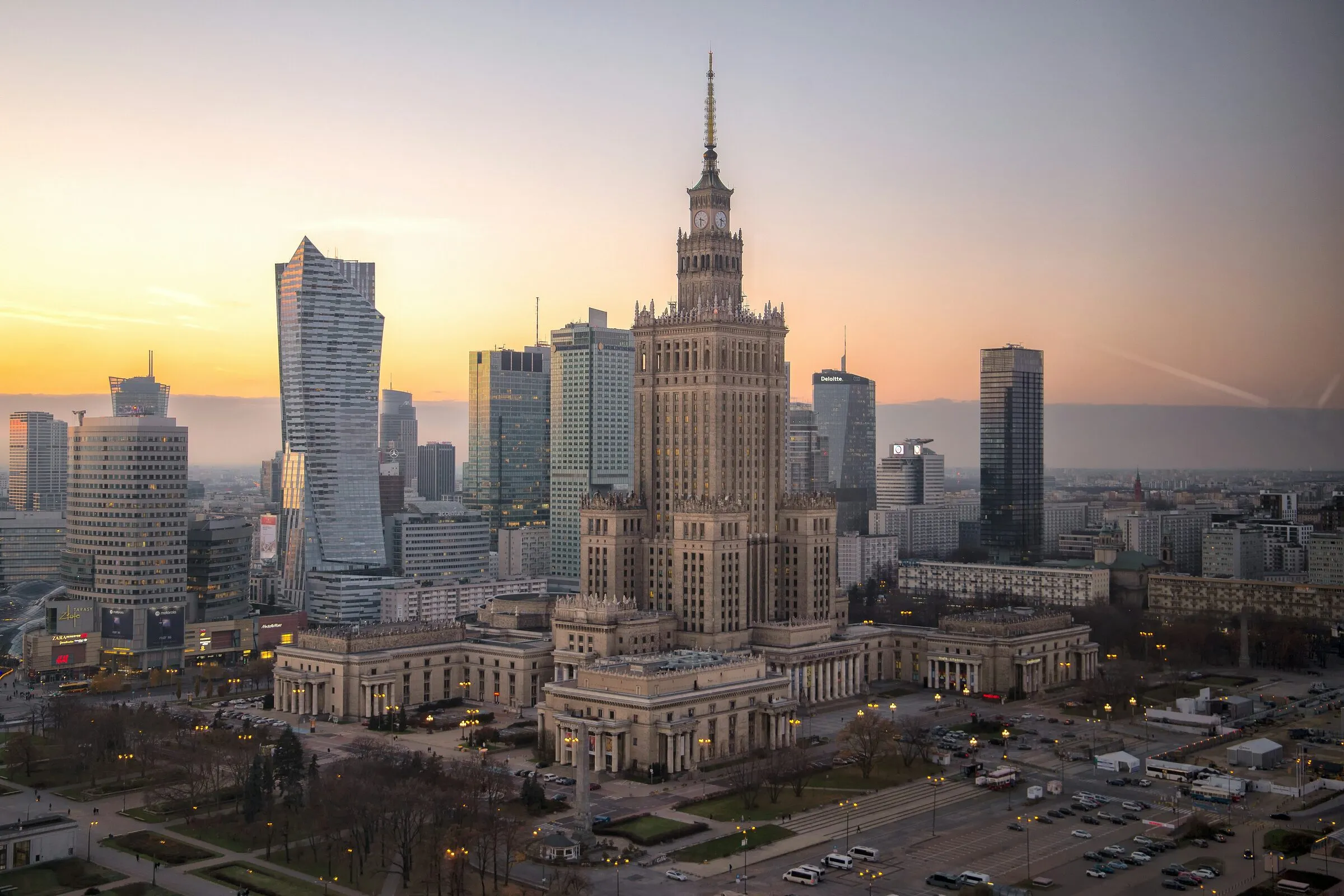
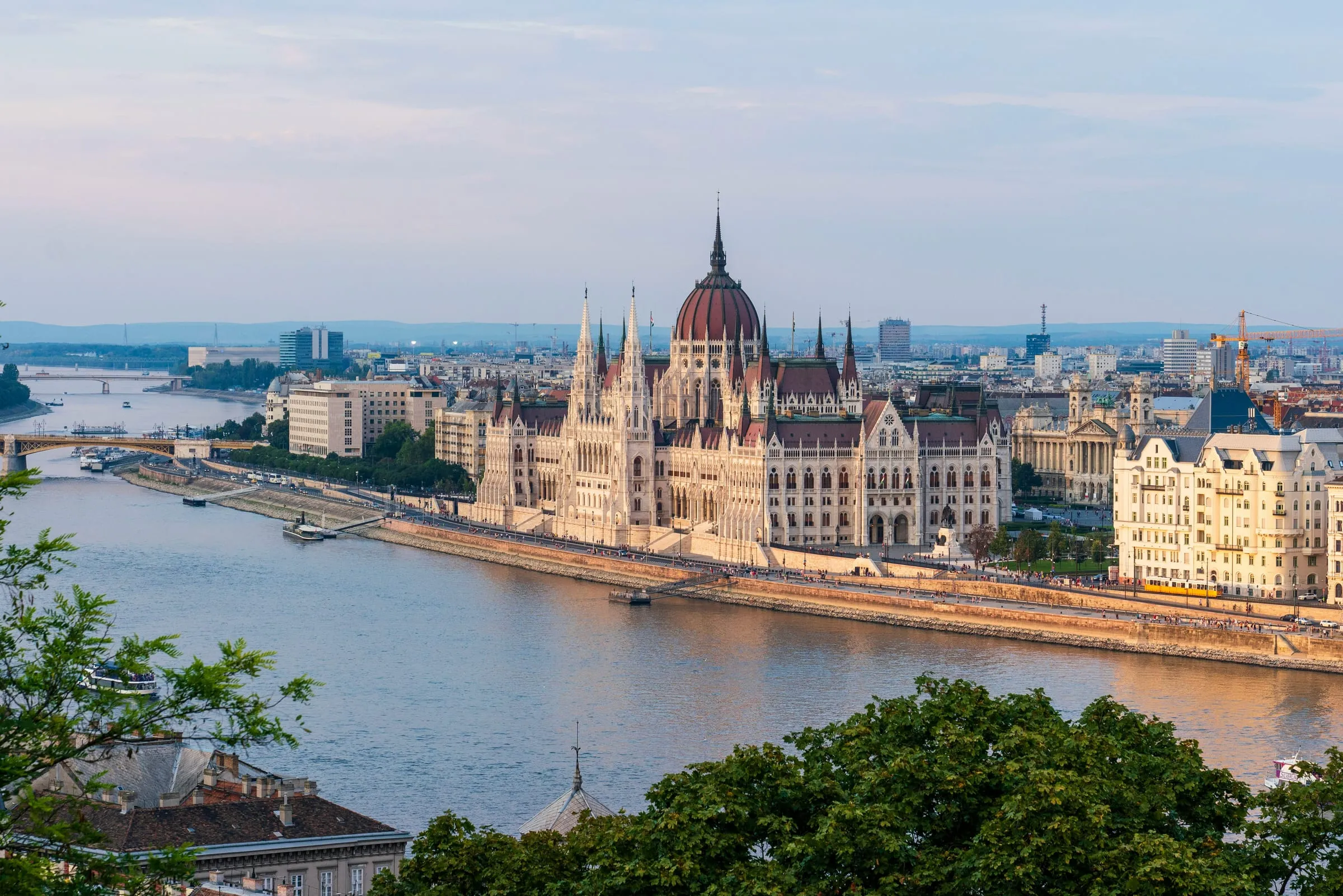
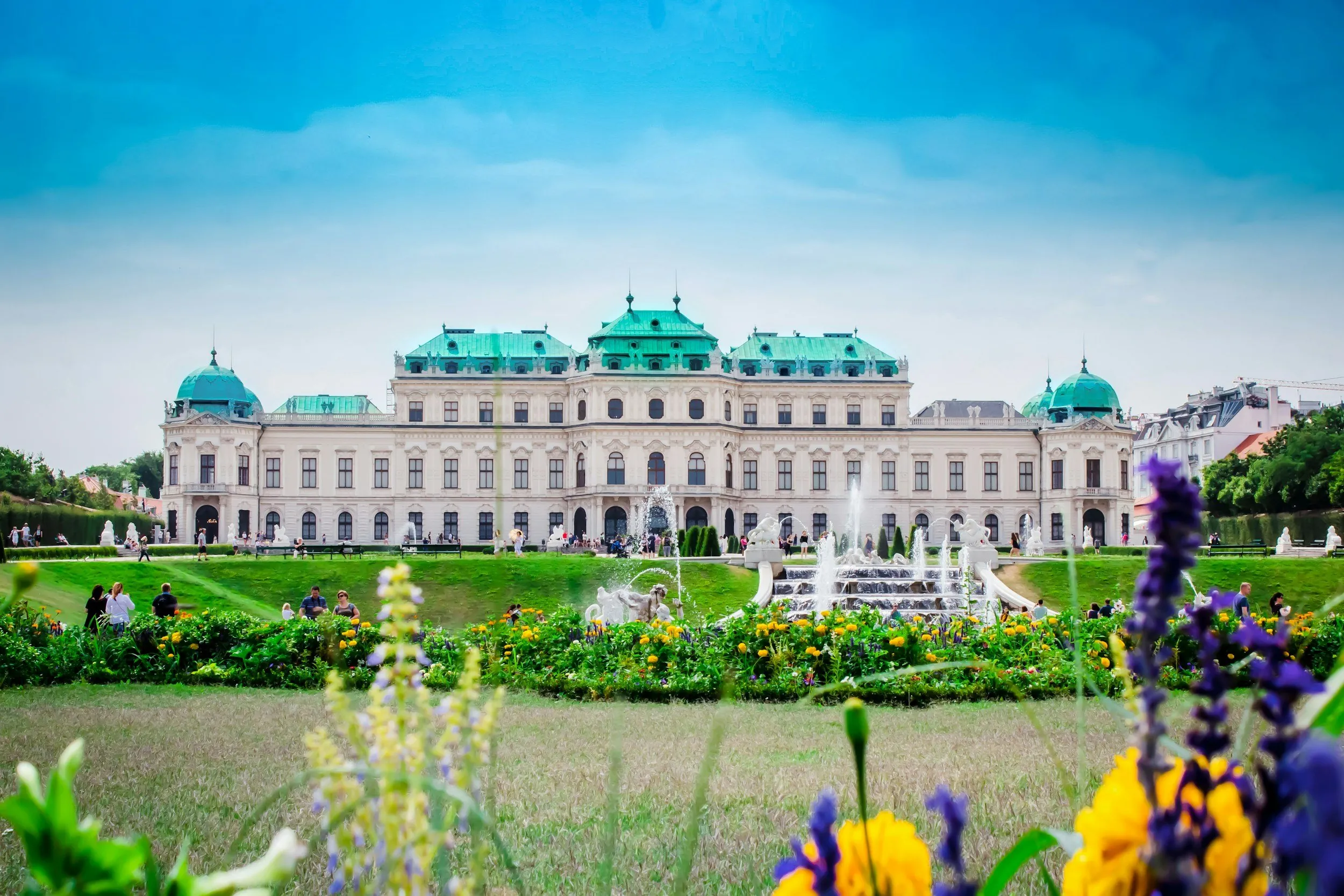
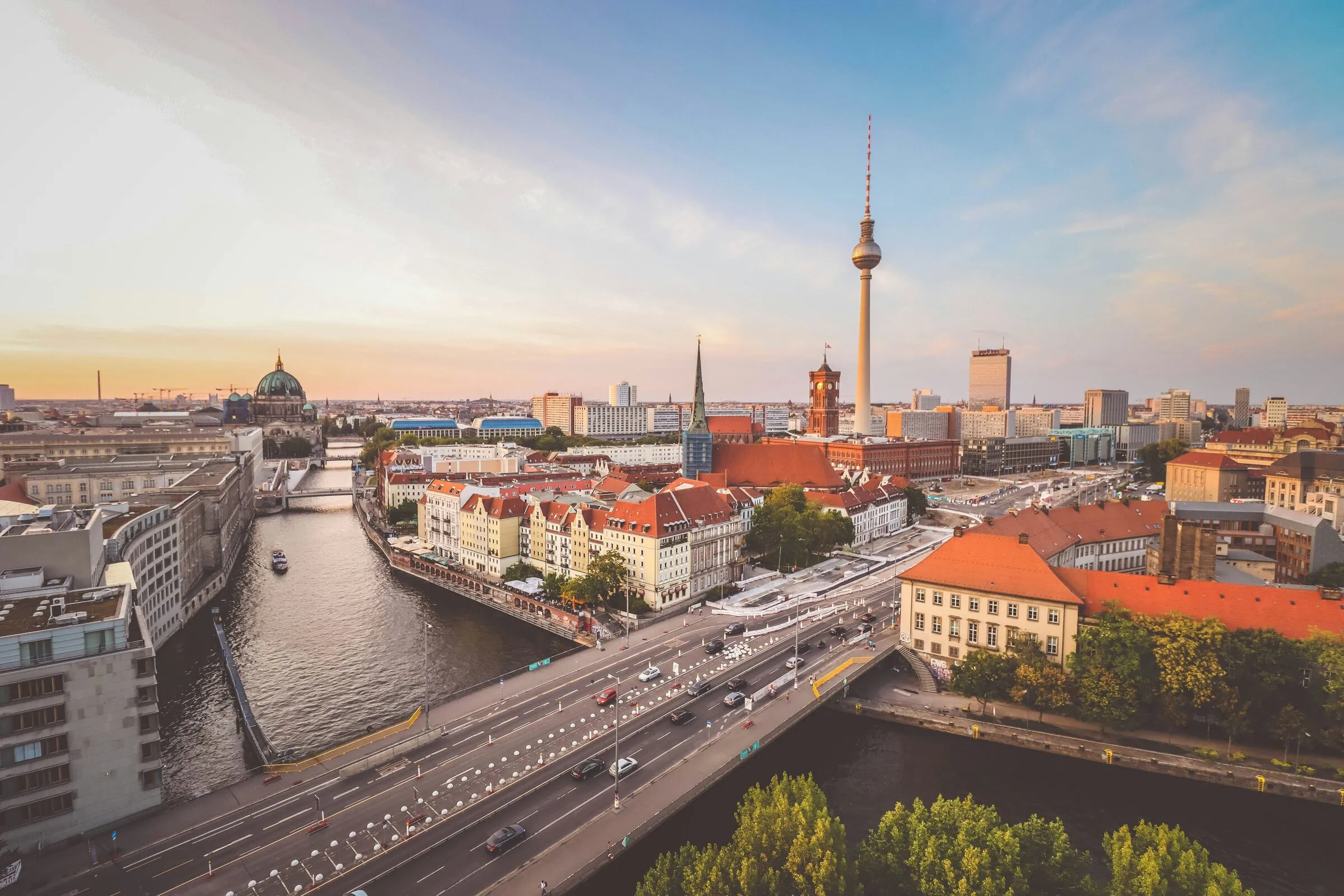
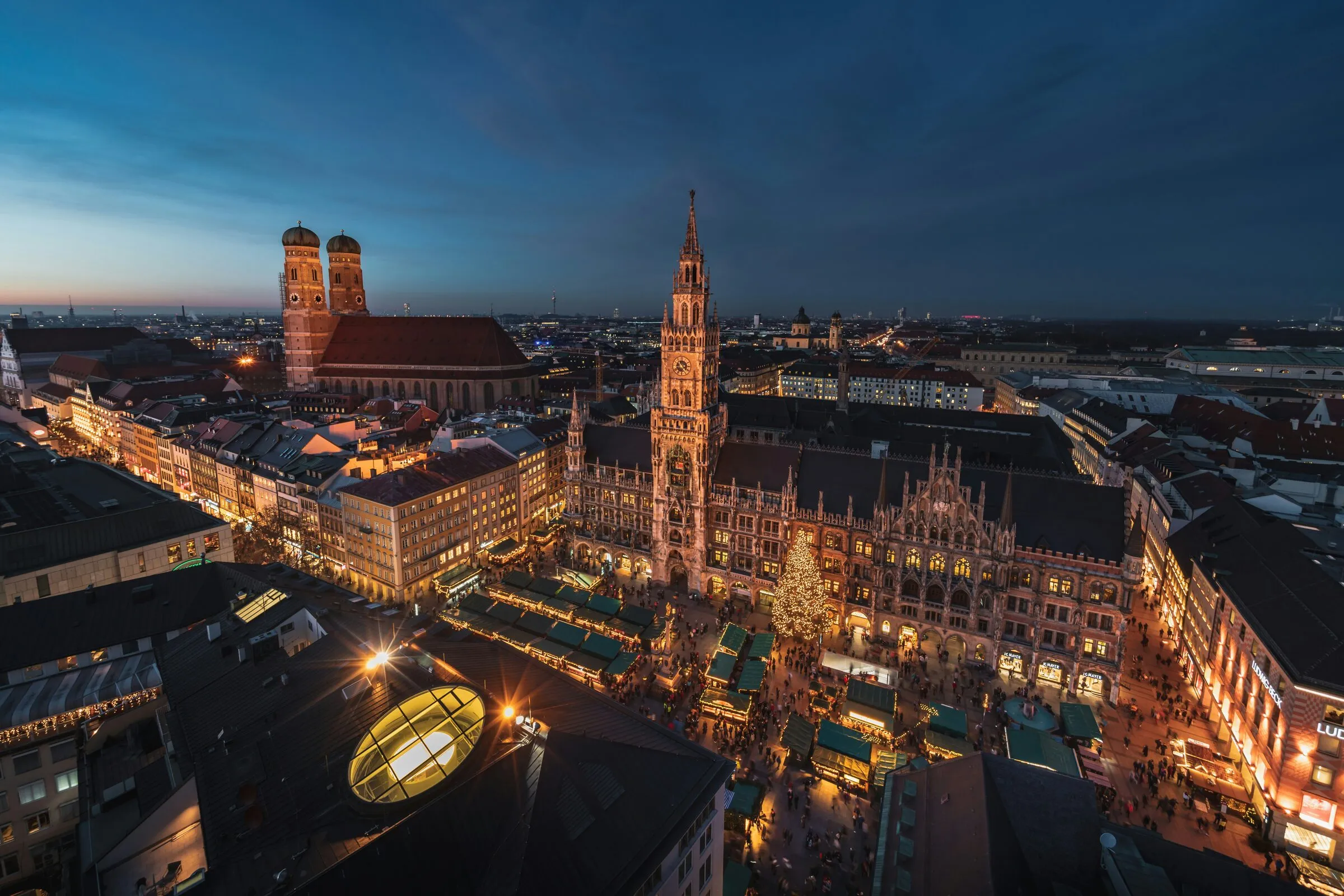
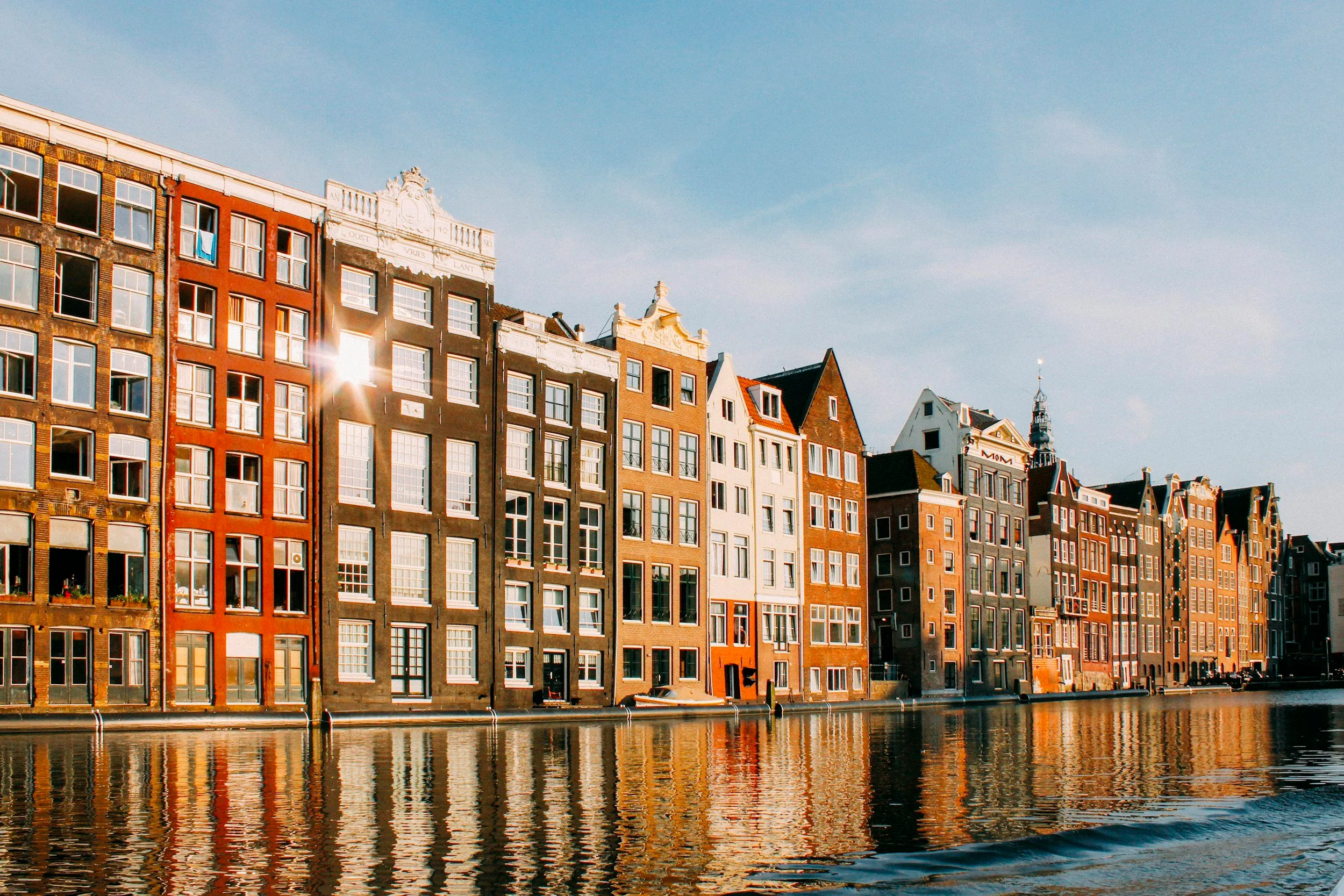
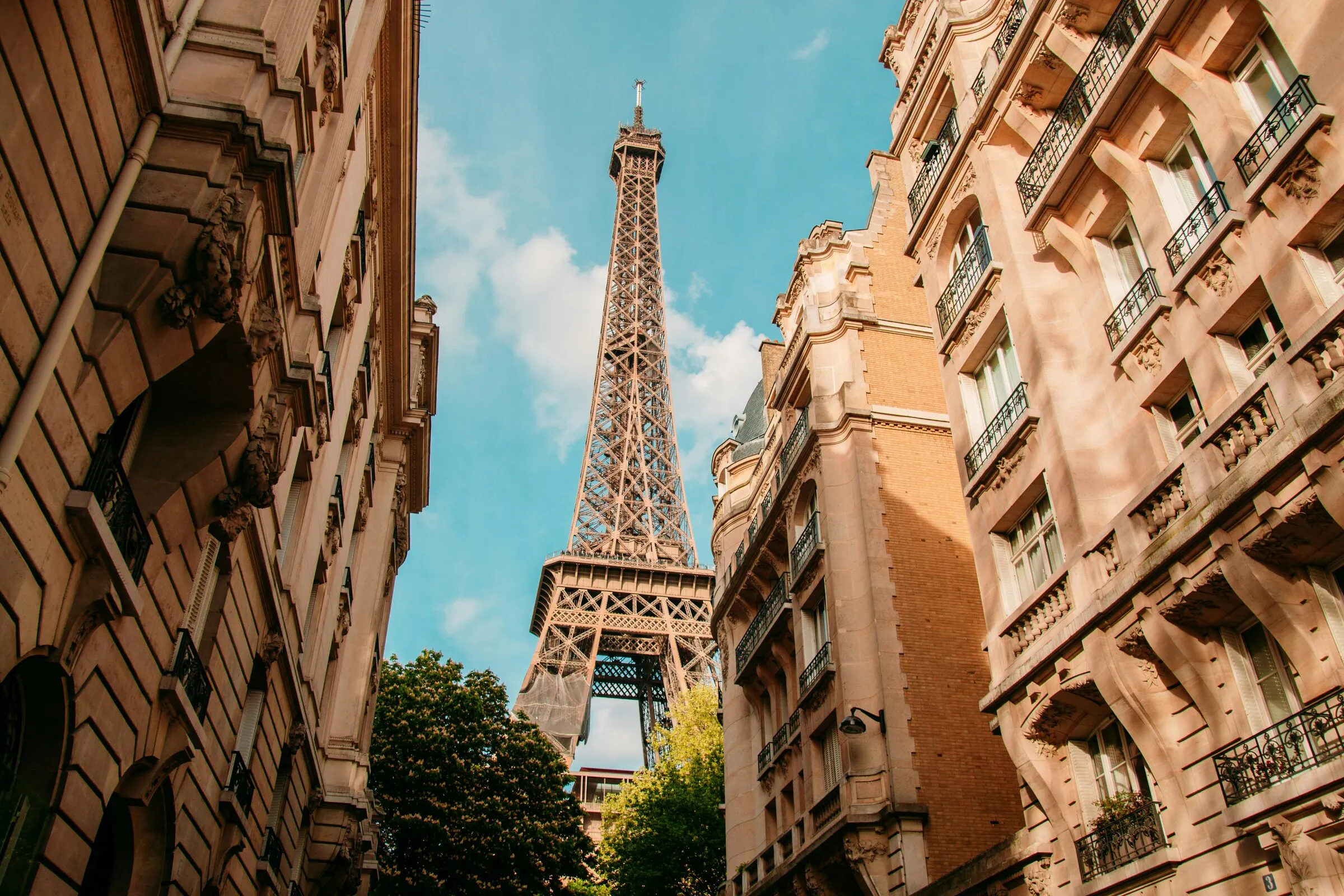
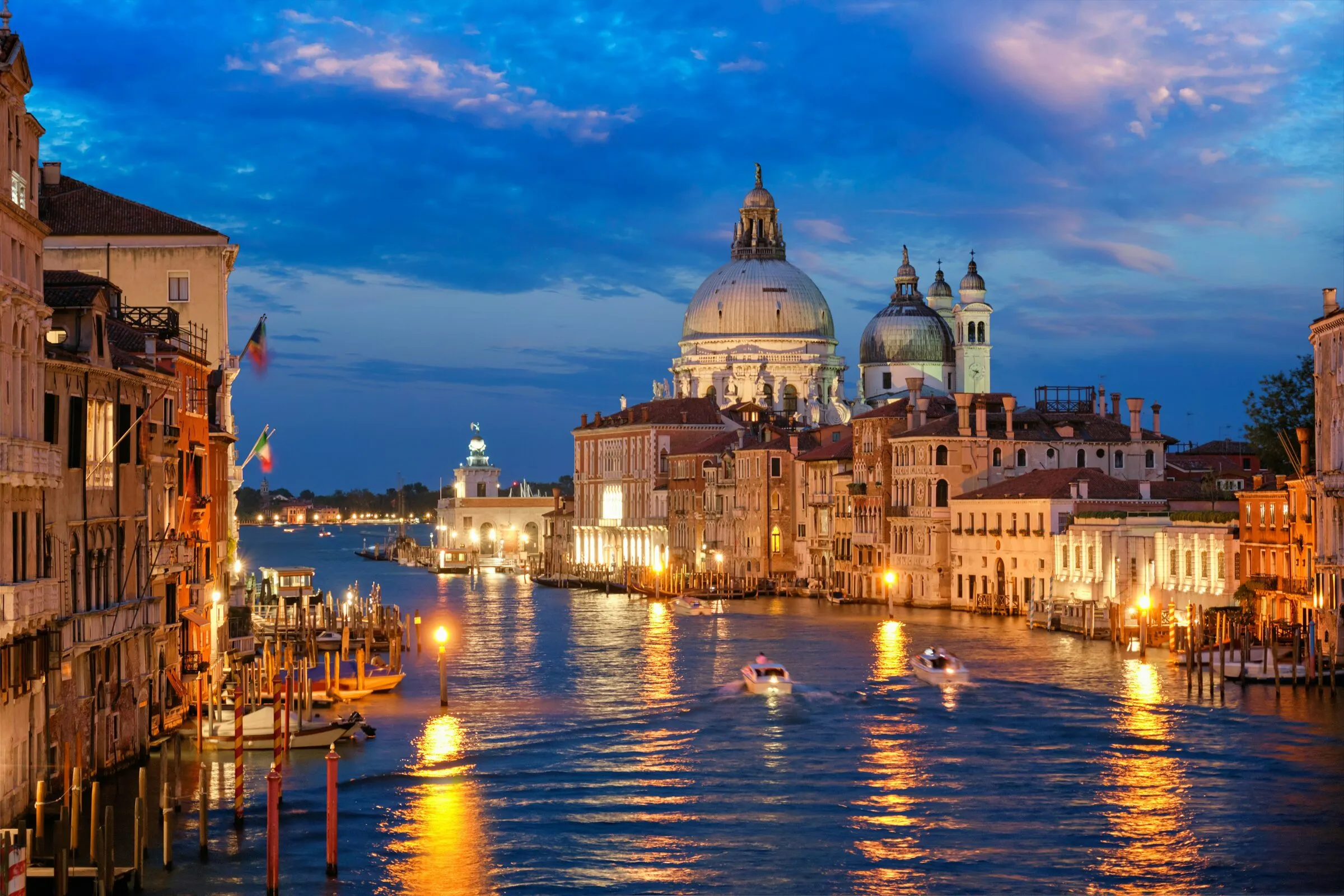
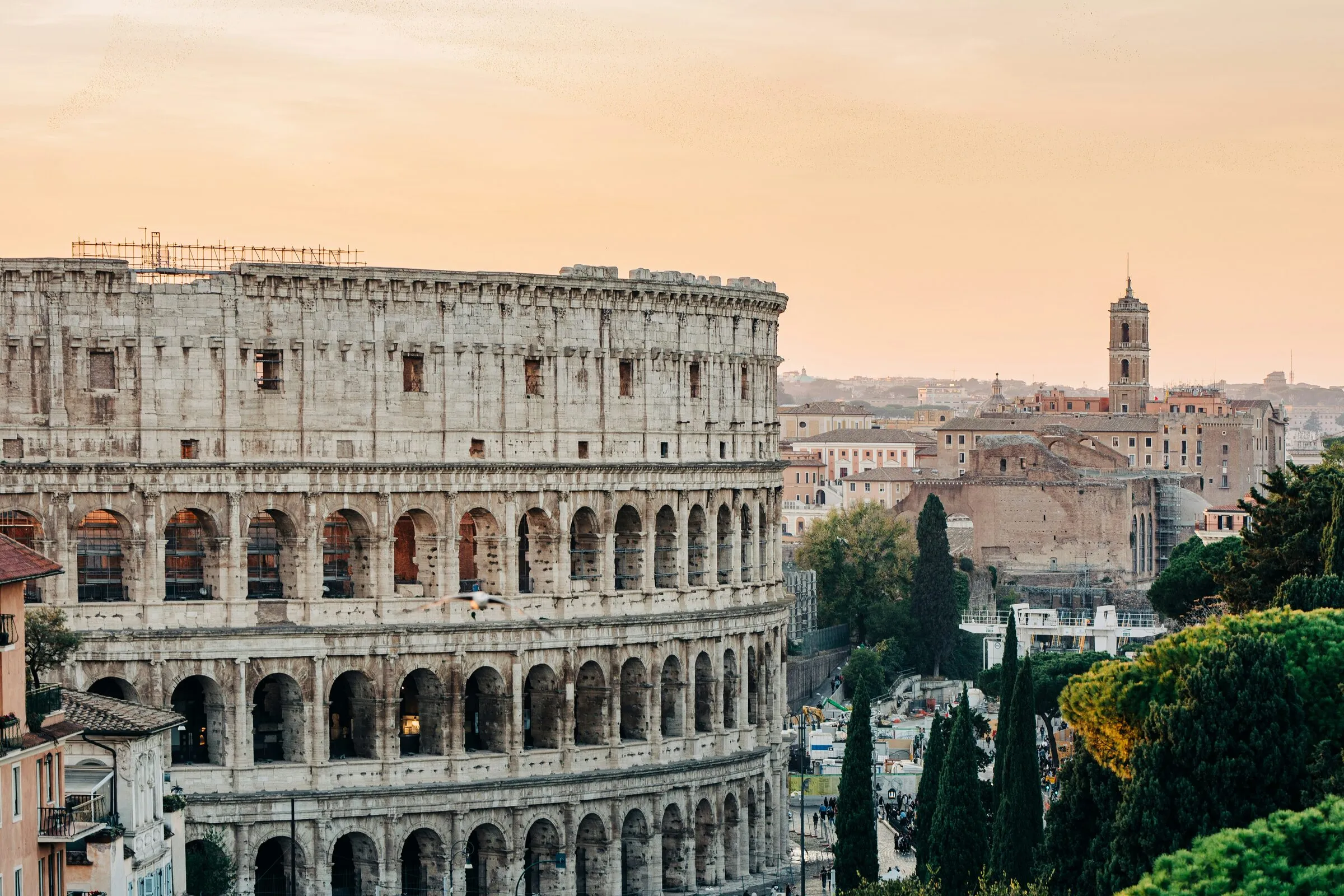
The trip has to know what it is.
What does your Judaism look like?
It’s the question I ask early, because the answer changes everything after it. Reform, Conservative, Orthodox, Reconstructionist, secular, cultural. By birth, by choice, by marriage, by quiet rediscovery. I plan for the family that wants candles in the hotel room and a kosher Shabbat lunch, and for the family that wants to see the synagogue in Toledo because the architecture is extraordinary. For the b’nai mitzvah where the parents are Reform and the grandparents are Orthodox and the trip has to hold both. For the couple where one of you is rediscovering something you grew up half-detached from.
There is no version too observant for me to plan around, and no version that isn’t “Jewish enough” to belong on this page. Your Judaism is the lens. The trip adapts to it.
Who this is for
A family with a b’nai mitzvah on the calendar and a grandmother flying in for it. Three generations doing the Sephardic arc while the eldest can still travel. A couple doing Israel properly, or doing Israel lazily, both fine. Someone with a surname from Thessaloniki or Vilna and a question about it. The non-Jewish partner who wants to get it right. The Jew by choice on a first trip, wondering quietly whether it will feel different than expected. And anyone tired of the two things this industry usually offers Jewish travelers — a package, or nothing.
One thing worth saying plainly: this isn’t a side door. It’s the same practice, the same taste, the same planning you’d get from me for anything else. The river cruise, the safari, the honeymoon, the crossing on the Queen Mary 2 — all of that is here too, and when the trip earns the depth, the lens comes with it.
The long version of all of this — Jewish heritage travel: following the thread →︎. And a worked example, city by city — the slow Sephardic arc through Spain →︎.
Most of these trips are a milestone by another name — how I plan those →︎. Three generations is a group, and it has its own rules →︎. And the Vienna–Bratislava–Budapest corridor is one of the densest Jewish-history routes in Europe, best done from the water — the Danube, the way I’d plan it →︎.