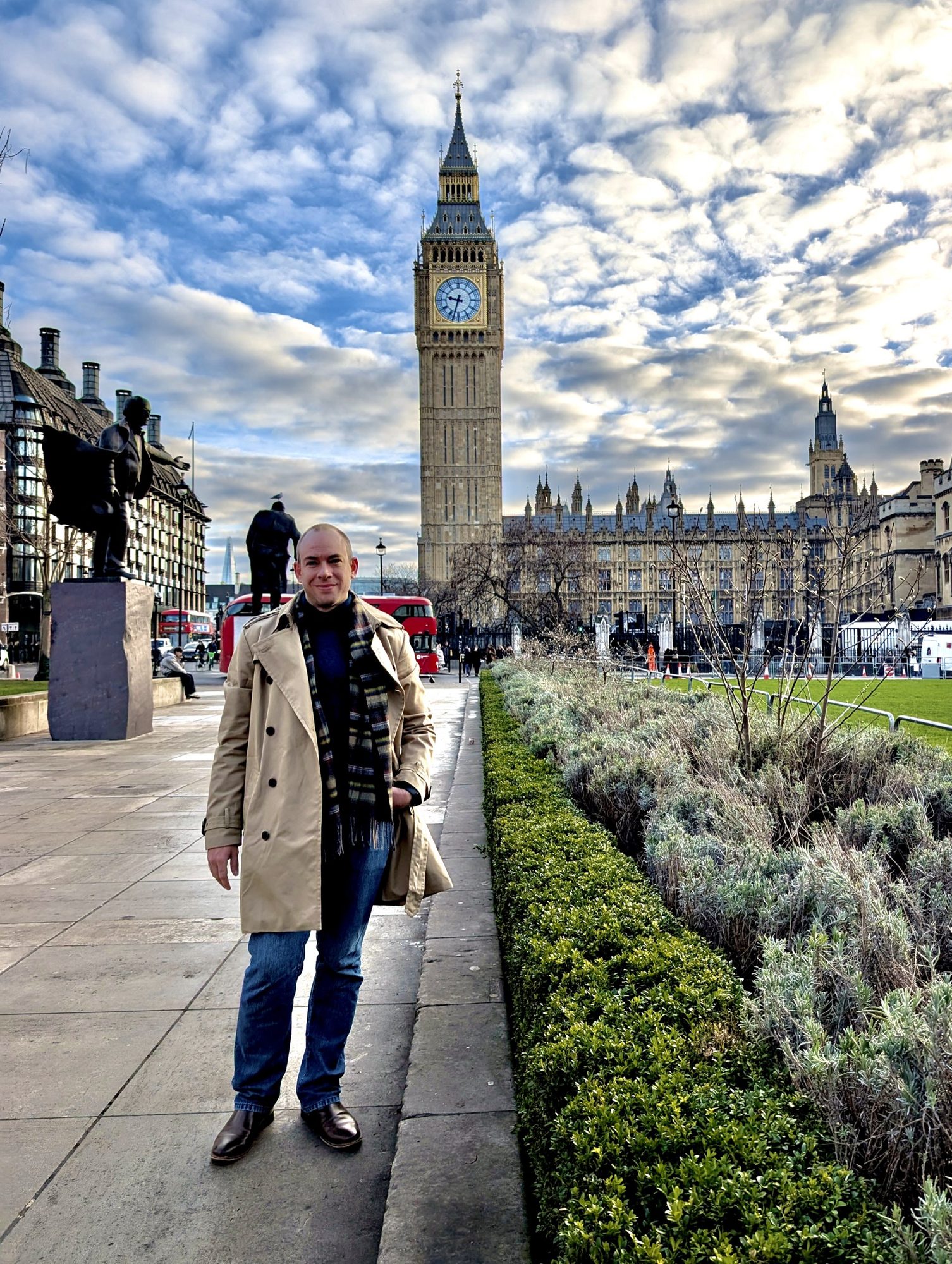
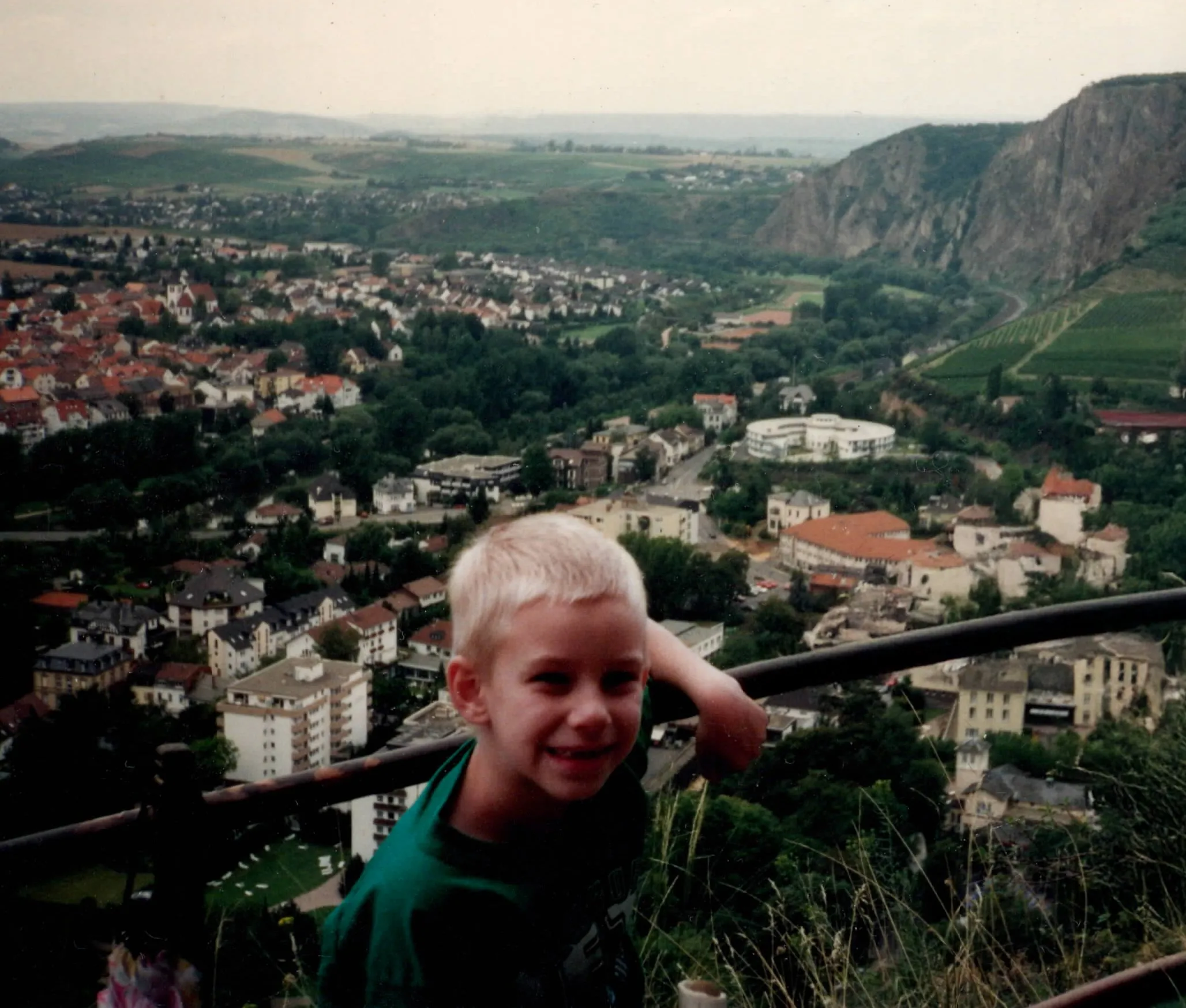
I came to this the long way. I grew up an army brat — the early years of my life spent in a state of motion. I had the privilege of living in Bad Kreuznach and Dexheim, Germany. Weekends meant castles and villages, and family trips to Belgium, Paris, and Berchtesgaden that had me convinced, at six years old, that I had truly made it. Moving back stateside was a culture shock I never fully got over. For me, travel wasn't a treat; it was a language I already spoke.
I spent a decade working in hotels after that — across departments, on every side of the lobby. You learn, eventually, what makes travel land. It's always the same thing. Someone paying attention.
Then I took some time off. I hiked the Pacific Crest Trail for three months, and at the end of it I couldn't return to a desk. So I started planning adventures for others, while taking more of my own.
My own taste runs unhurried. I'd rather immerse in one region than collect stamps to cover the map. Depth, long meals, connection.
I travel with my husband, Chase — which taught me the other half of that lesson. I know what it is to hand a reservation across a desk and watch someone do the arithmetic: the pause, the second look at the one bed. It's rarely the whole trip. But you carry it. It's why I pay as much attention to who owns a hotel as to how it photographs — and why queer travelers get that homework from me whether they ask for it or not.
What I do is build a frame. An itinerary isn't a checklist — it's an architecture. It needs space for the right stops, room for a few wrong turns, and the right people on the ground when plans shift. You don't see the frame, but it protects the art. That's the point.