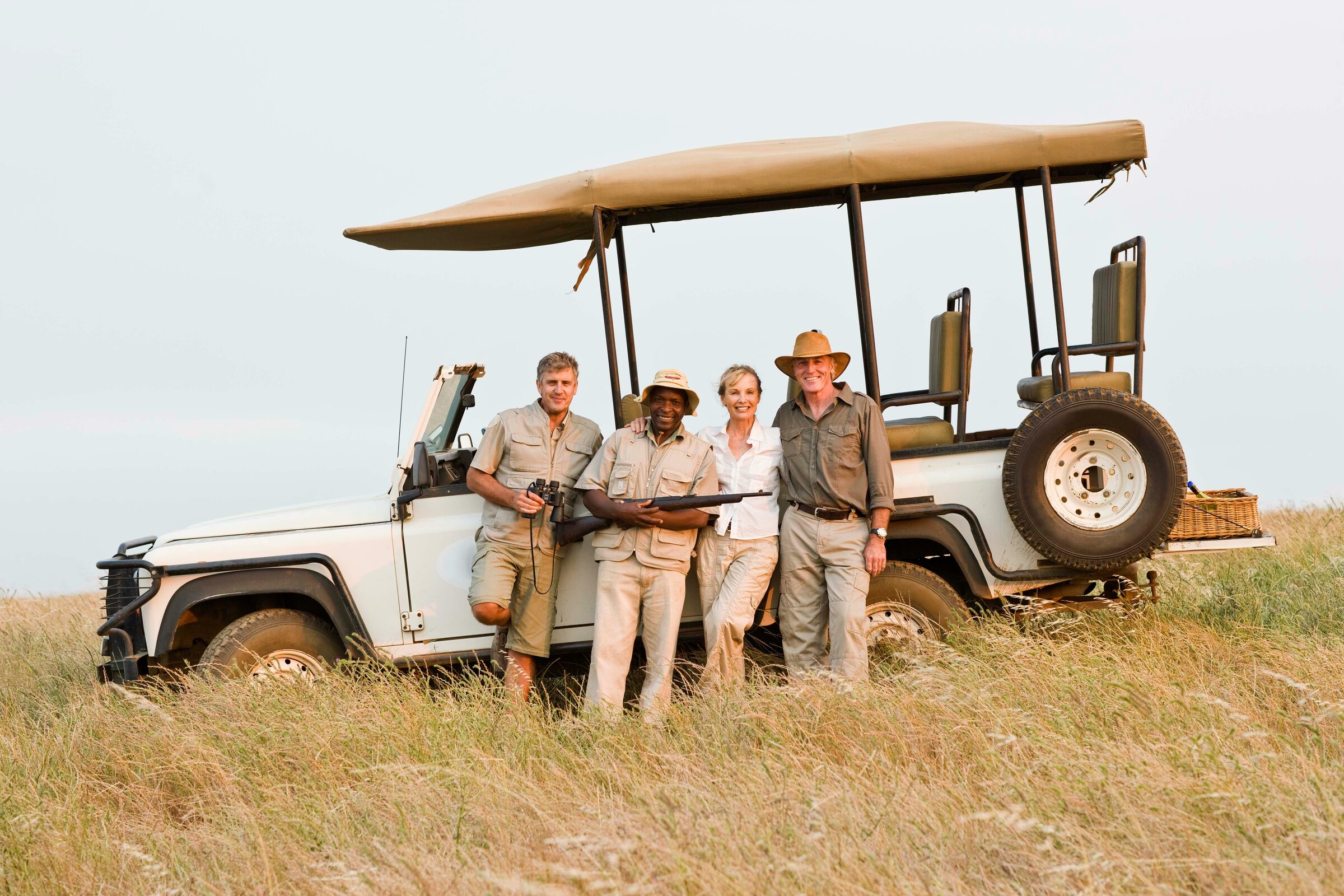
Choosing an expedition cruise comes down to four things: the region, the ship, the season, and the operator. The wildlife is the easy part to fall for — the hard part is the matching: the region that fits what you want to see, the ship built to reach it, the season the animals actually show up, and the expedition team that turns a sailing into the trip of your life. That's advisor work, not a booking-engine filter.
The expeditions I'd plan with you
Eight ways to the wild end — glaciers, equator, desert sea, volcanic coast, and the polar reaches. Scroll all eight, or take the quiz if you're not sure you're built for it yet.
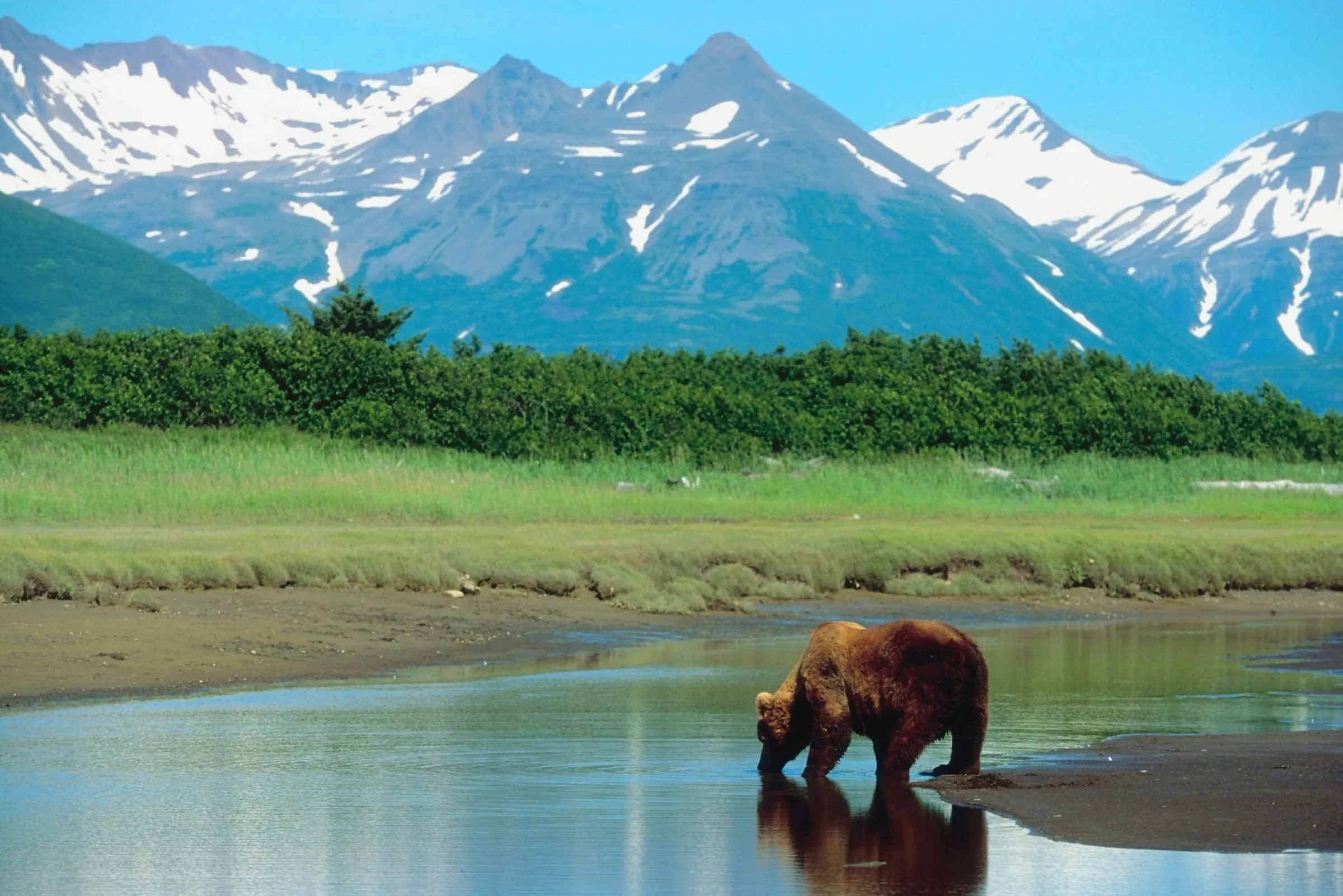 Expedition · 7–14 nights · May–Sep
 Alaska's Inside Passage
Glacier Bay, Sitka, the coves a 4,000-passenger ship can't reach. Humpbacks off the bow, a skiff into a fjord, no crowds. The wild Alaska people picture and rarely get.
Open the guide →︎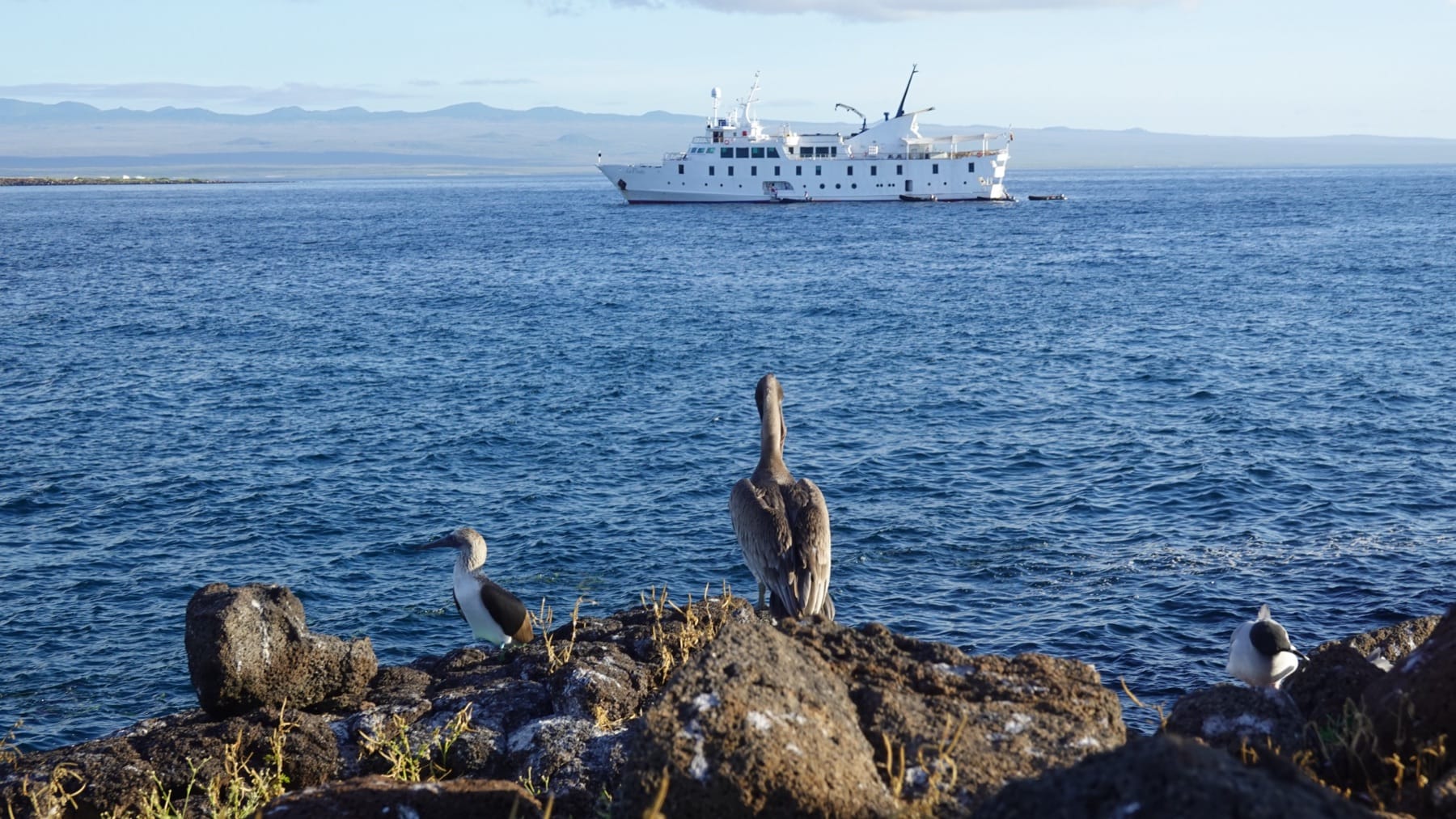 Expedition · 7 nights · year-round
 The Galápagos
Two landings a day, a naturalist for every skiff, animals that never learned to fear you. The islands that rewrote how we understand life — at the speed of a small ship.
Open the Galápagos hub →︎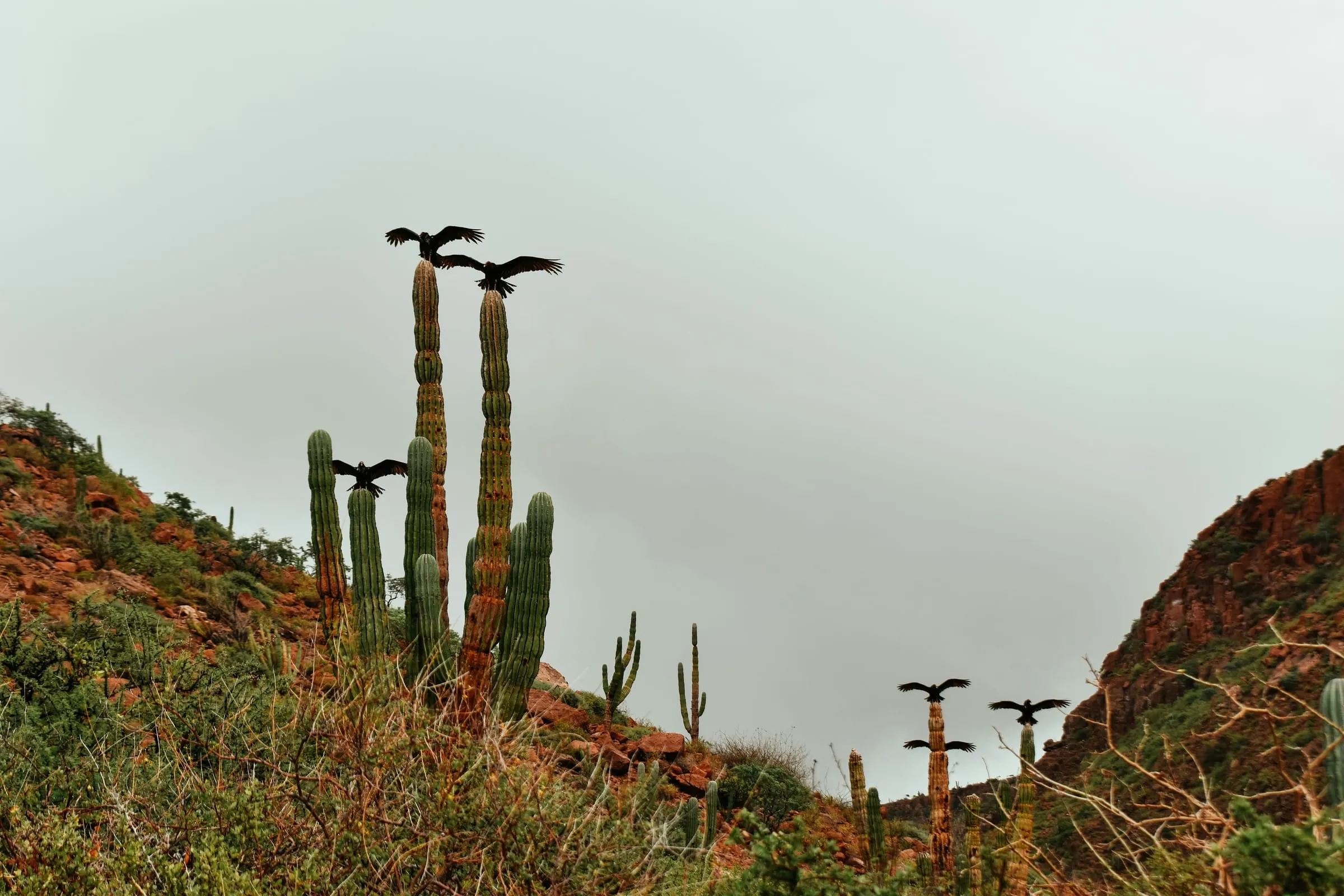 Expedition · 7–8 nights · Nov–Apr
 The Sea of Cortez
Steinbeck's Baja — blue whales, sea lions, paddleboards off the back of the ship at sunset. Cousteau called it the aquarium of the world. The winter trip almost nobody asks for until they hear about it.
Open the guide →︎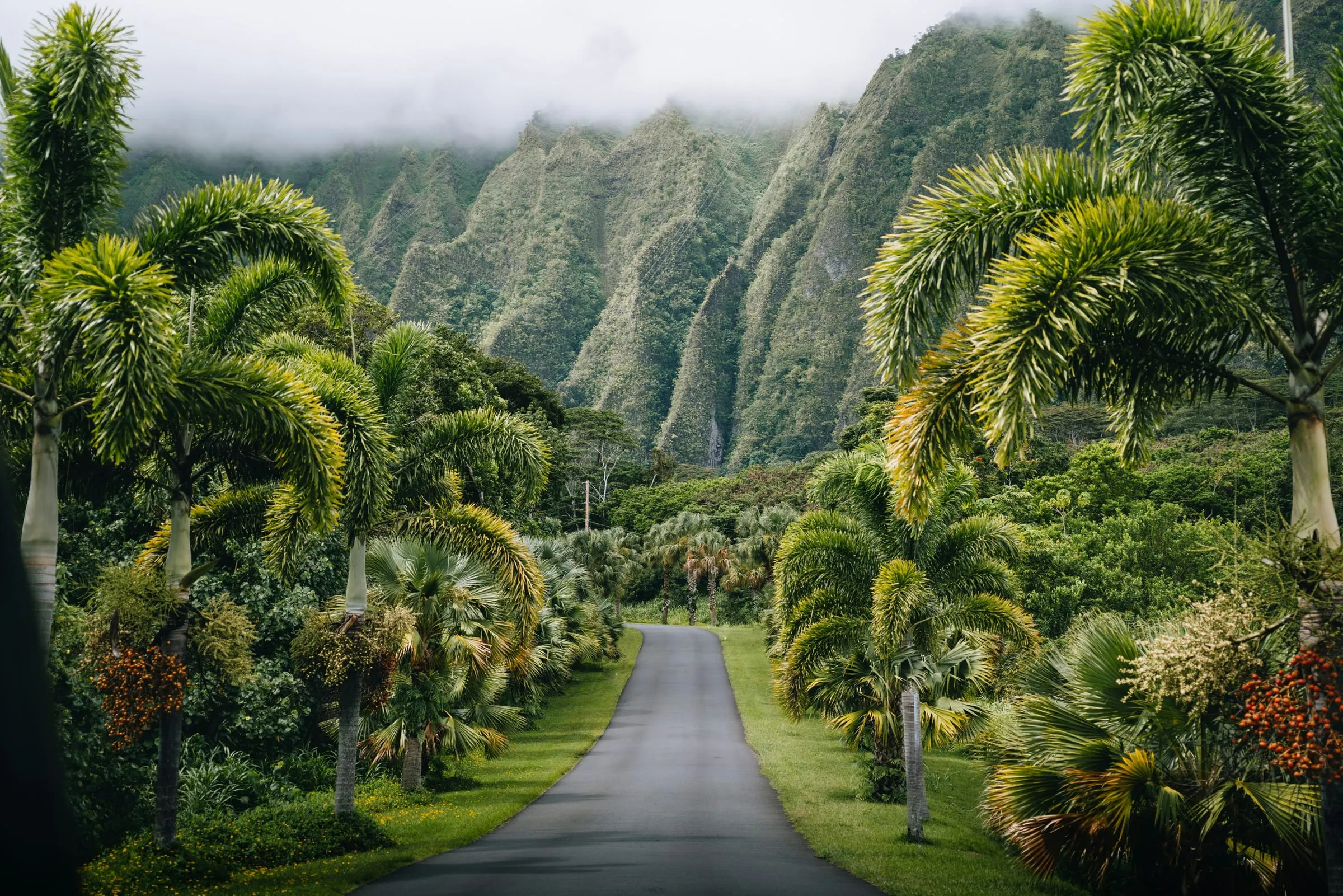 Expedition · 7 nights · year-round
 Hawaii's Wild Coast
The anti-resort Hawaii — snorkeling with manta rays, a skiff along a coast with no road, whales in season. The islands from the water instead of the lobby.
Open the guide →︎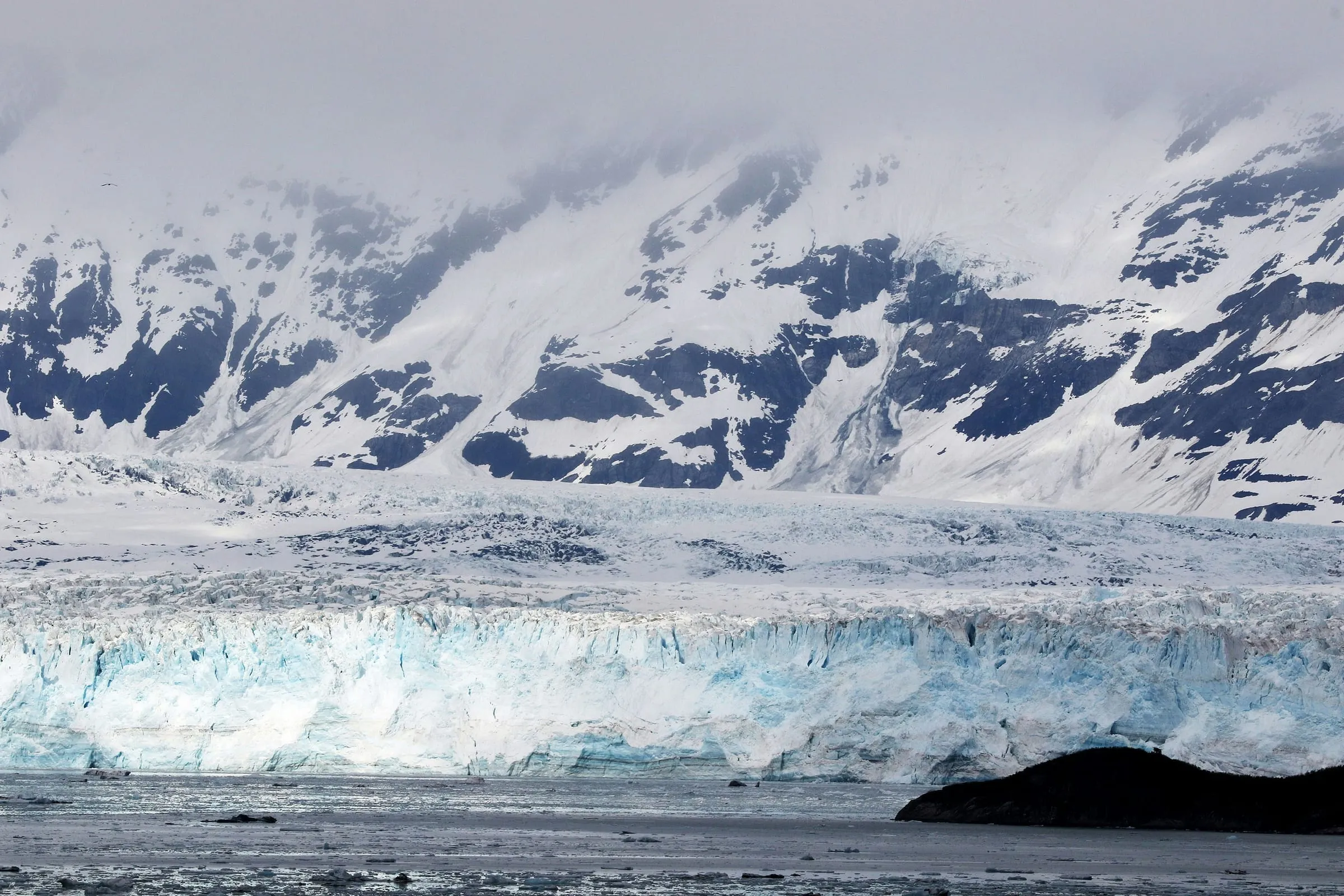 Expedition · part of most Alaska sailings
 Glacier Bay, Up Close
Tidewater glaciers calving into the sea, the engines cut, the only sound the ice. Alaska's set-piece — and the small ships permitted to enter where the big ones can't.
Open the guide →︎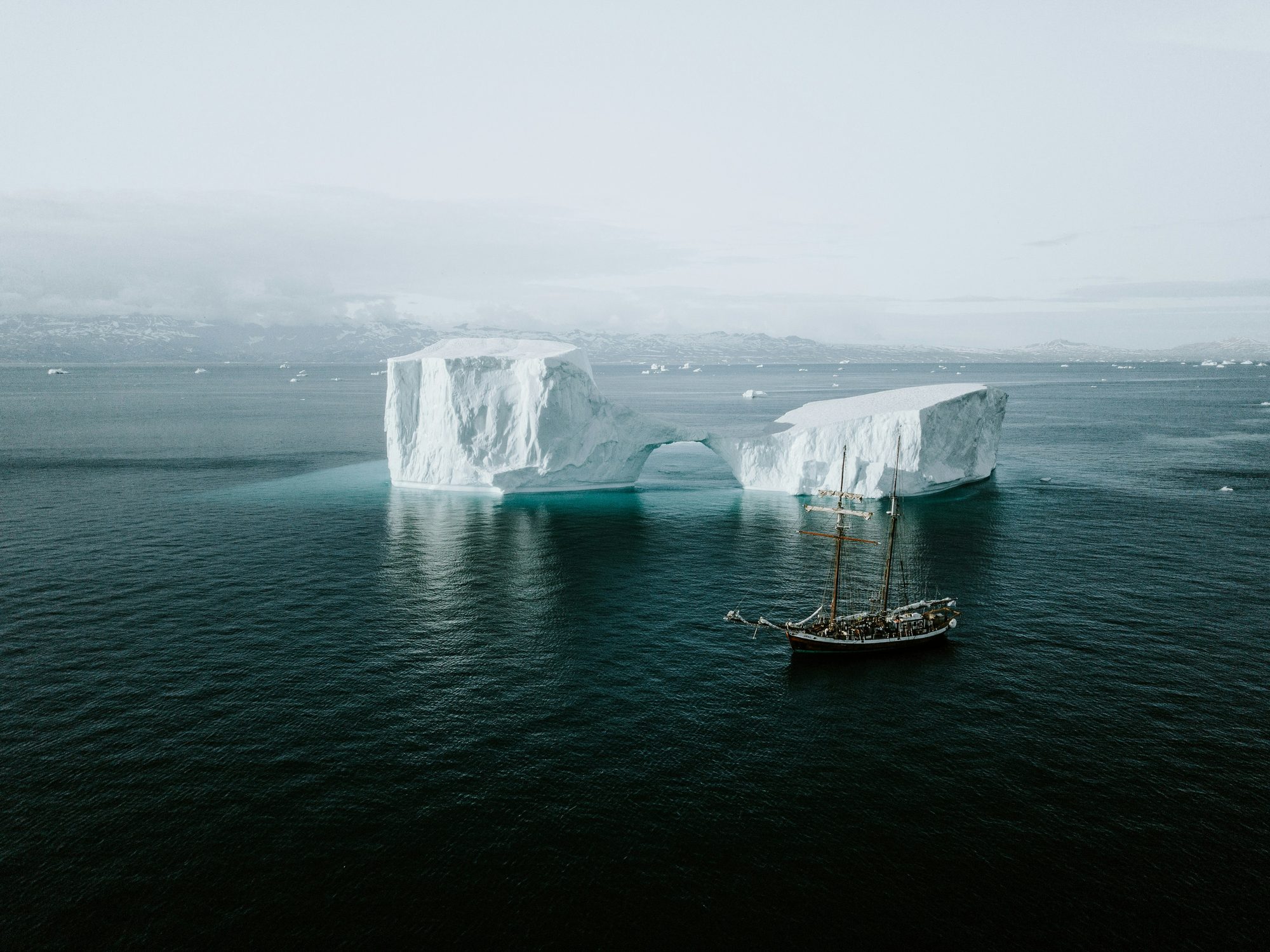 Expedition · 10–14 nights · Nov–Mar
 Antarctica
The white continent — the Drake, the Peninsula's ice and wildlife, and the small ice-strengthened ships that are the only honest way in.
Open the guide →︎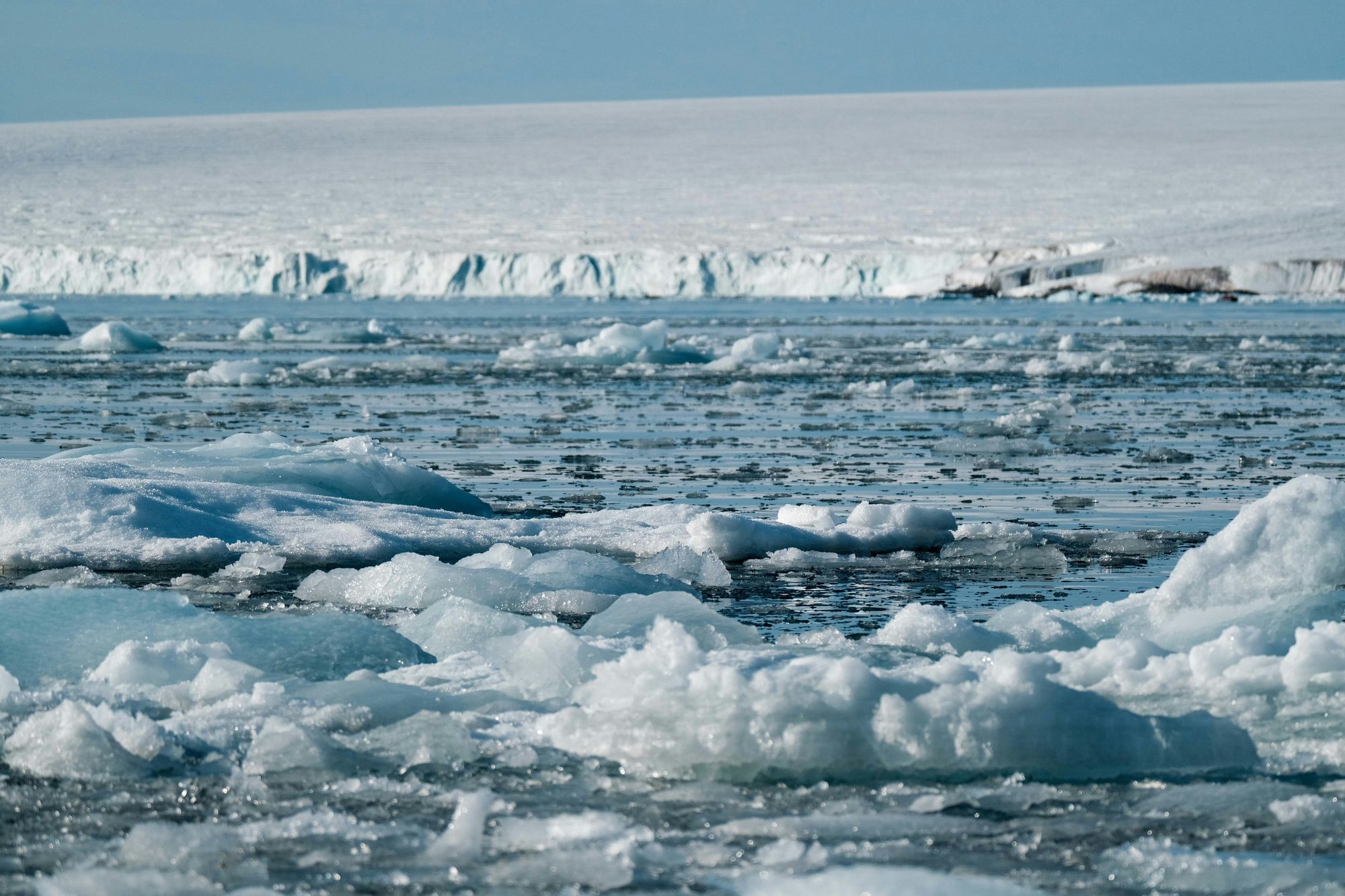 Expedition · 7–10 nights · May–Sep
 Svalbard & the High Arctic
Spitsbergen at 78° north — polar bears on the pack ice, walrus, blue glaciers, and the midnight sun. The Arctic's headline expedition.
Open the guide →︎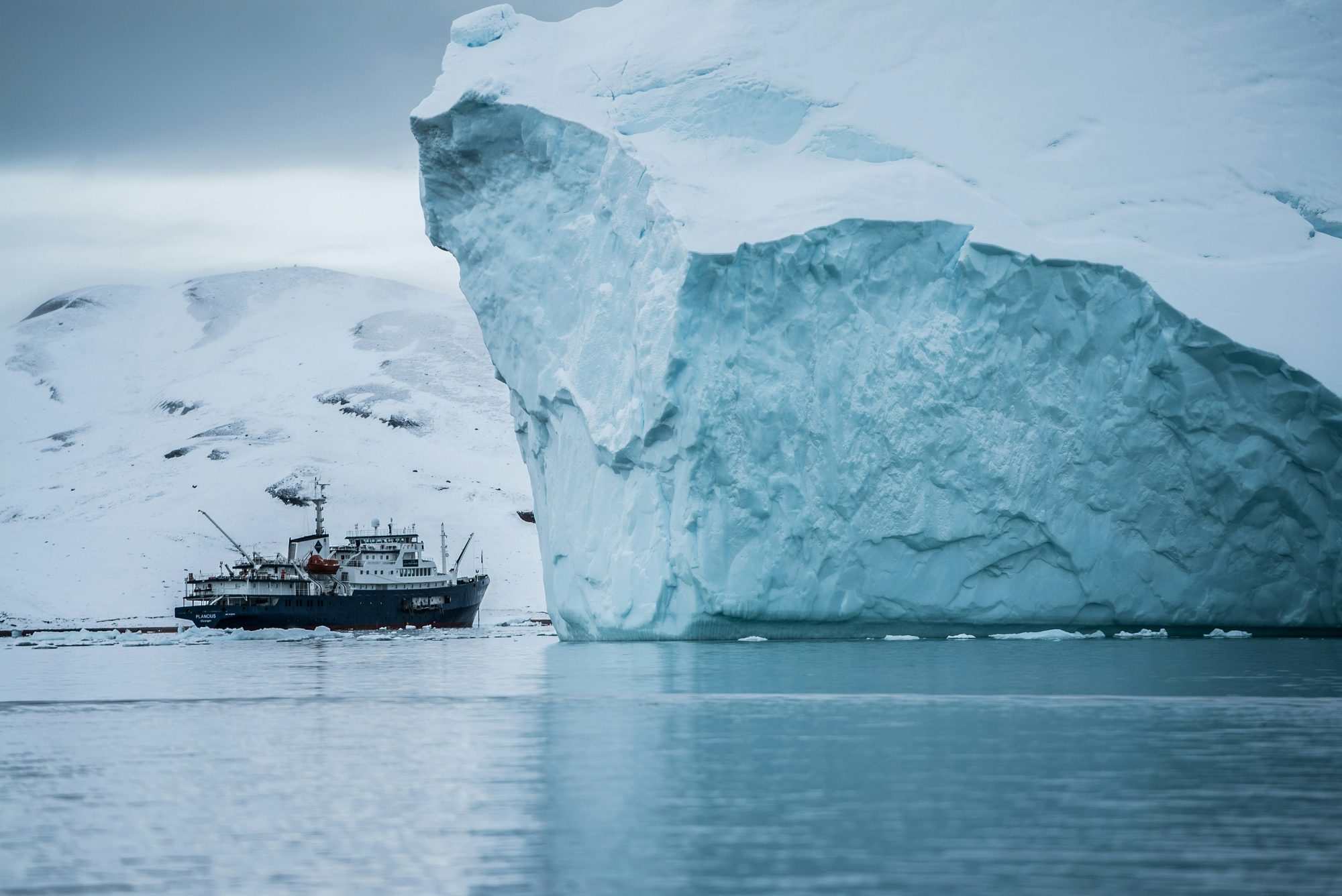 Expedition · 2–3 weeks · Aug–Sep
 The Northwest Passage
The fabled Arctic route — Greenland's coast, the Canadian High Arctic, Franklin's ghosts, and Inuit communities at the top of the world.
Open the guide →︎How I choose an expedition for you
The Region, Then the Ship
The region comes first — what you want to see, and when it's actually there. Then the ship built to reach it: its size, its skiffs, its ice class if the trip needs one, and the guide-to-guest ratio that decides how close you really get. The destination picks the vessel, not the brochure.
The Naturalists Are the Trip
On an expedition the expedition team is most of the experience. UnCruise is an operator I keep coming back to for Alaska, the Galápagos, and the Sea of Cortez — small ships, big guide-to-guest ratios, for a certain kind of traveler — but I'd never hand you an operator as the answer. The team has to fit the trip, and the trip has to fit you.
The Season Is Non-Negotiable
Wildlife runs on a calendar. Whales, calving ice, bird migrations, the Galápagos cycles, the narrow polar windows — the right week is the difference between the trip you booked and the trip you hoped for. Getting the season right is the first thing I lock, and the first thing to sell out.
Expedition is the far end of the water. For coastlines and harbors, see small ship cruises; for the rivers inland, river cruises; for the big premium ships at the other end of the scale entirely, the great cruise lines; or the full Rivers & Small Ships collection.
Who expedition cruising is for
The curious. Naturalists at heart, photographers, families who'd rather their kids watch a whale breach than ride a water-slide. Bucket-listers. People who'd trade a formal night for a pre-dawn skiff in the cold. And the dreamers of the far latitudes — Antarctica, Svalbard, the Northwest Passage, the Patagonian fjords and Cape Horn — for whom the far end of the map is the entire point. Anyone who believes the wild is worth being a little uncomfortable for.
Common questions
What is an expedition cruise?
Expedition, small-ship ocean, or river — how do I choose?
What about Antarctica, Svalbard, and the Northwest Passage?
Can you plan Patagonia and Cape Horn?
When should I book an expedition cruise?
Keep Reading
More from the Journal
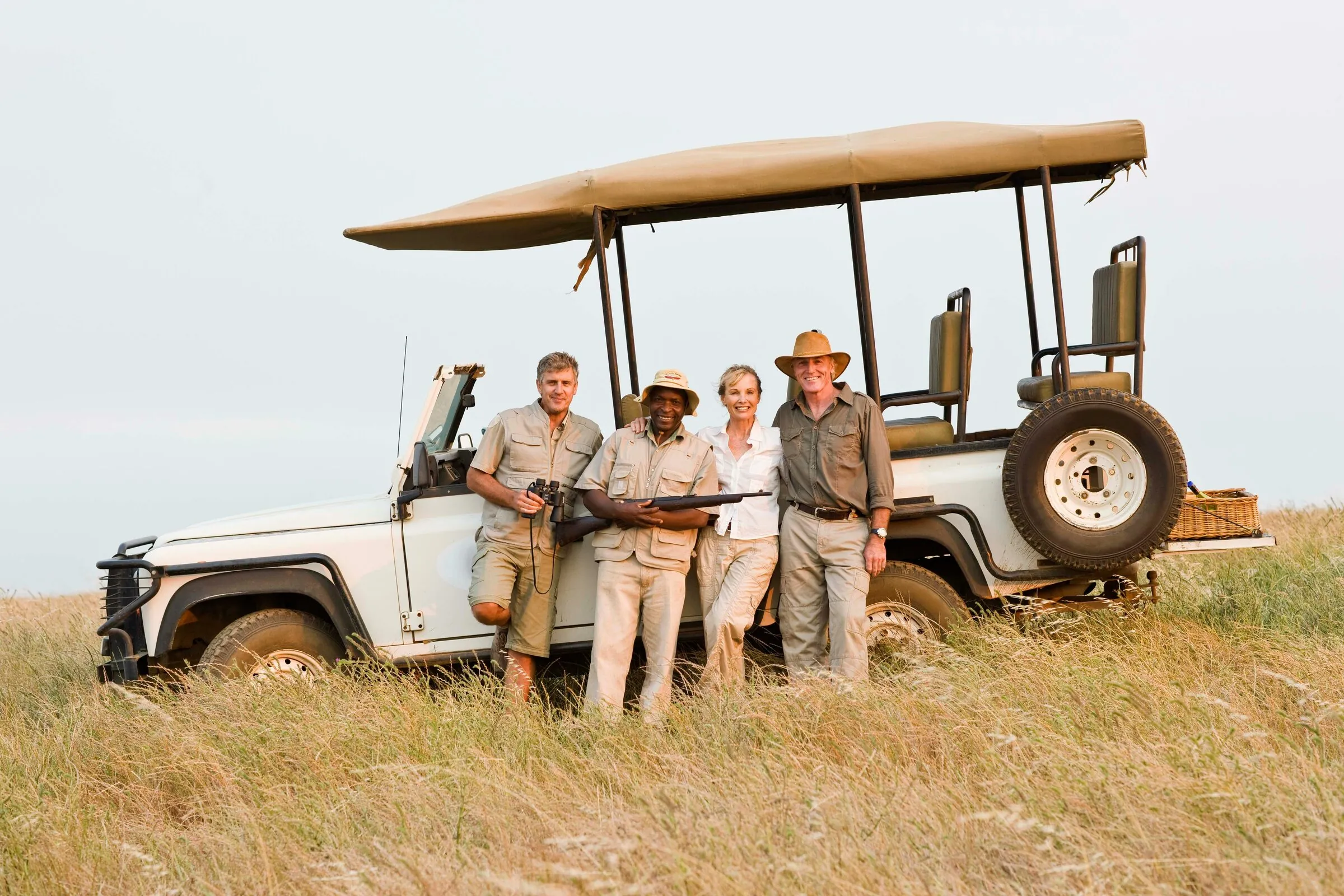 What Is Expedition Travel?Expedition travel isn't a destination — it's a category defined by place-first design, expert guides, and itineraries built around conditions instead of clocks.Read the dispatch →︎
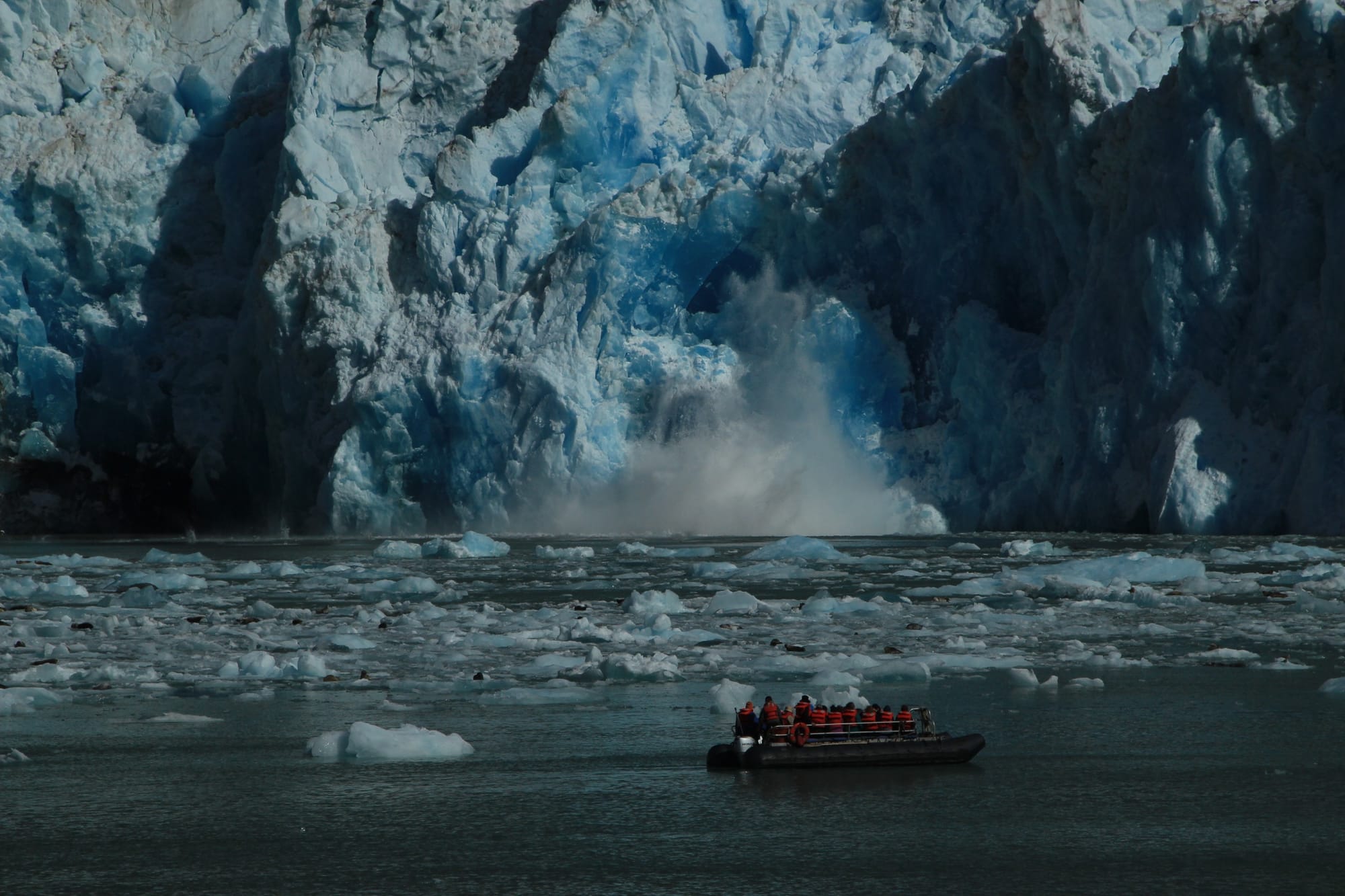 Is UnCruise Adventures Worth It? What I Tell My ClientsUnCruise has been running expedition routes for thirty years in places most operators can't access. Here's an honest assessment of whether it's worth the price — and who it's actually for.Read the dispatch →︎
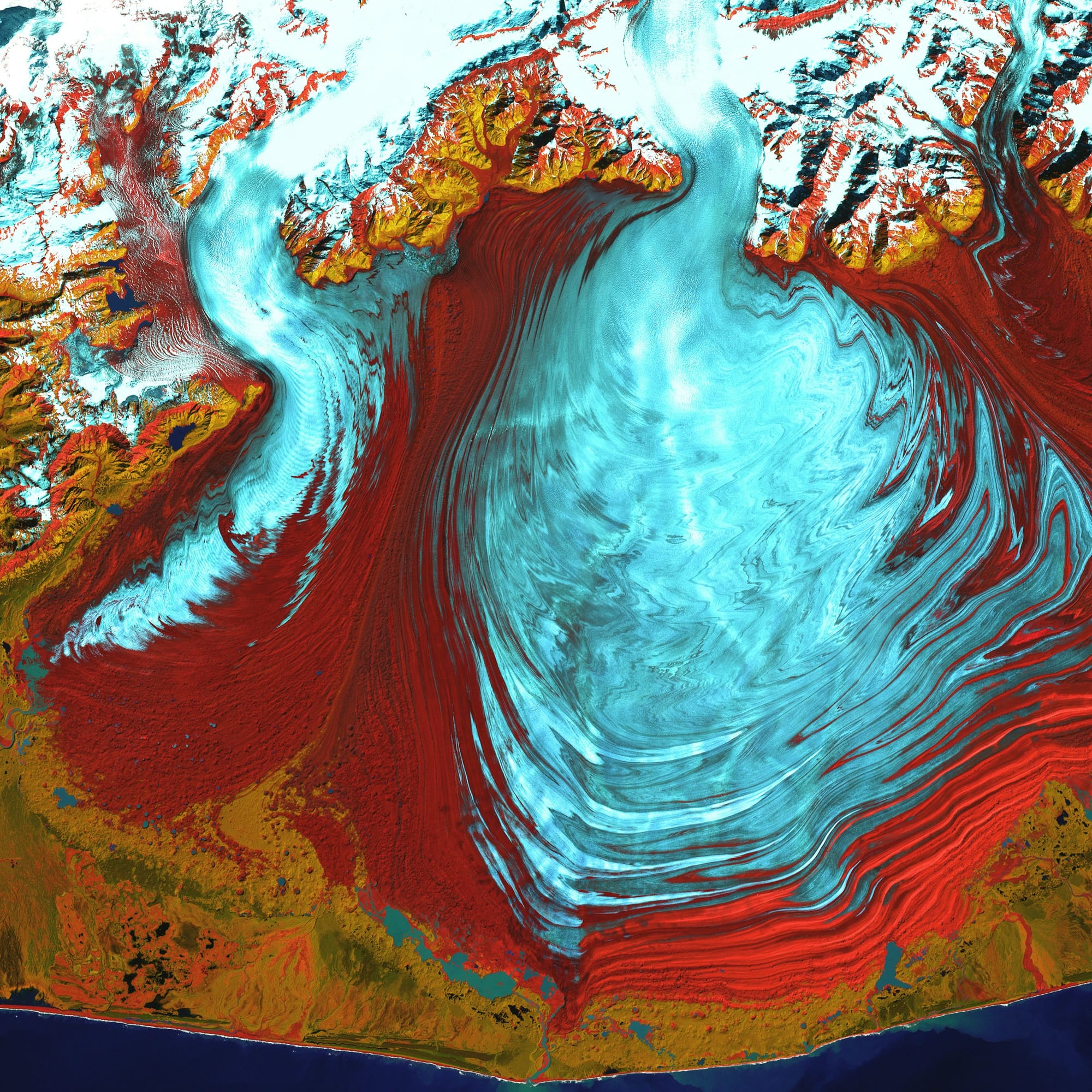 Which Alaska Small Ship Is Right for You?Alaska's best coastlines require a small ship. But the fleet varies enormously — from 22-guest expedition vessels to 86-guest yacht-style ships. Here's how to find the right one for what you're actually after.Read the dispatch →︎
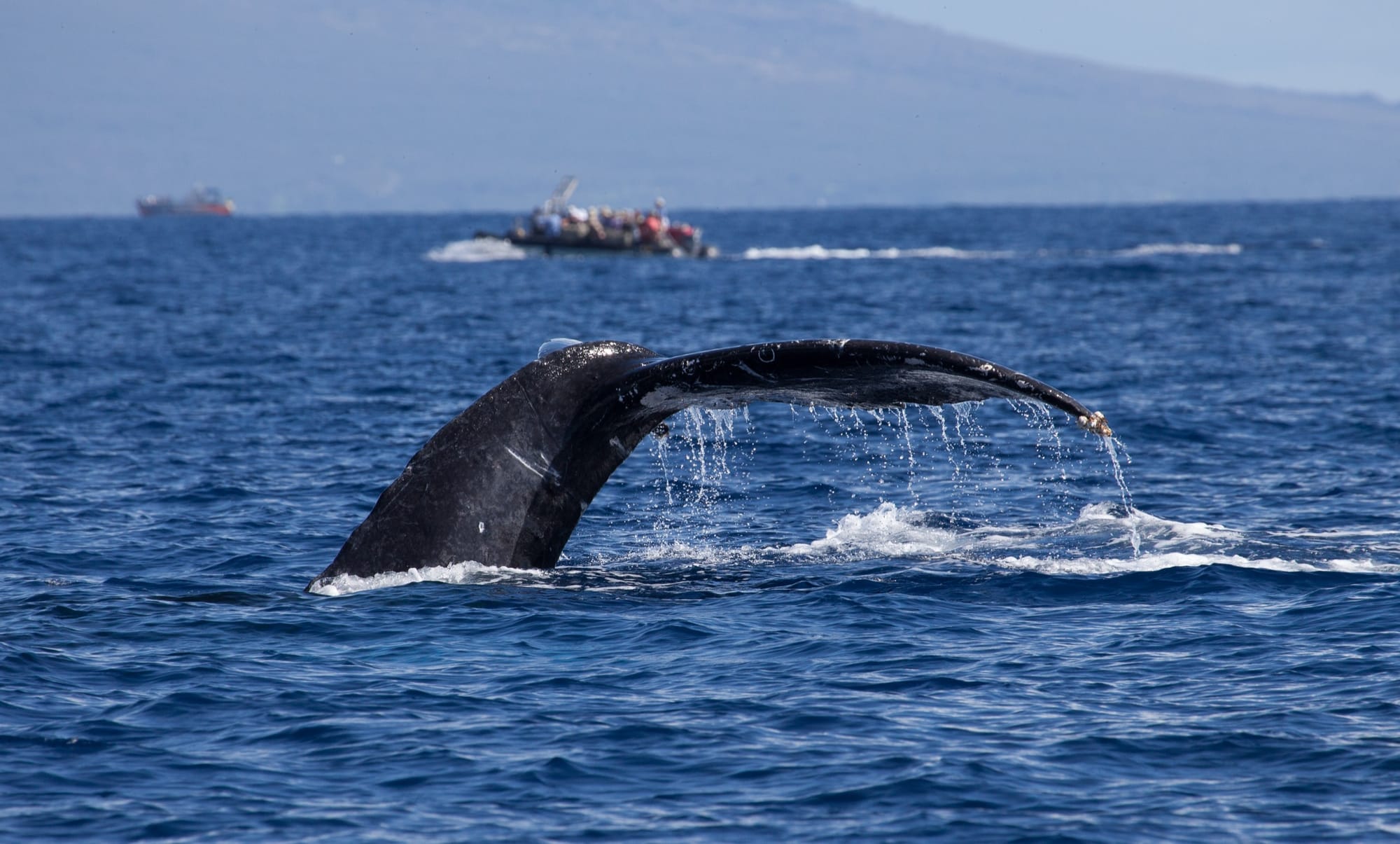 The Anti-Resort Hawaii: UnCruise Hawaiian SeascapesMost Hawaii trips involve a resort. The UnCruise Hawaiian Seascapes itinerary is what happens when you skip all of that — 36 guests, a small expedition ship, and coastline most visitors never see.Read the dispatch →︎
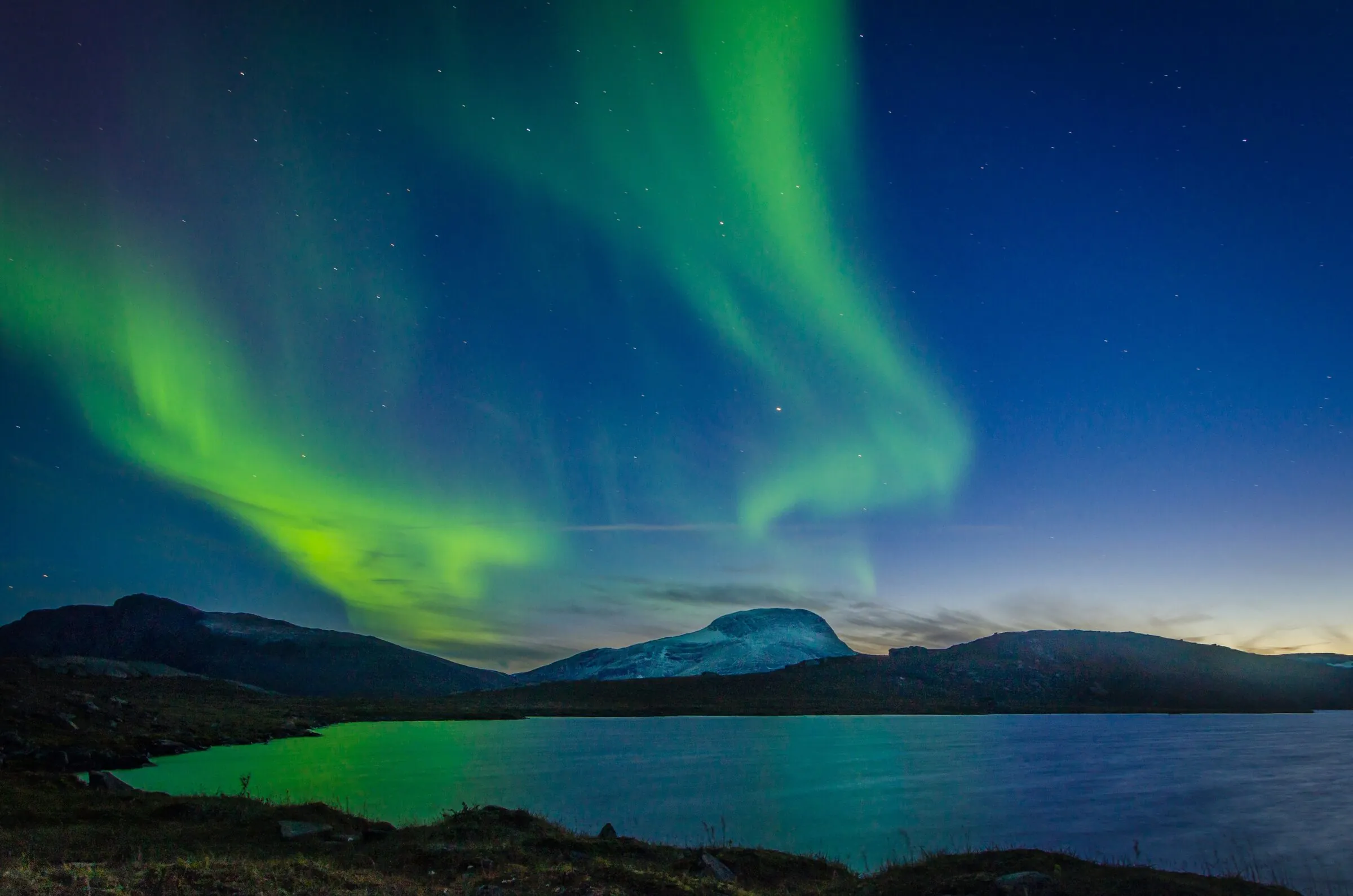 Aurora 101: What the Northern Lights Actually Are (and How to See Them)What the northern lights actually are, why Fairbanks is the canonical aurora city, and the math that separates a trip where you'll almost certainly see them from a coin flip.Read the dispatch →︎
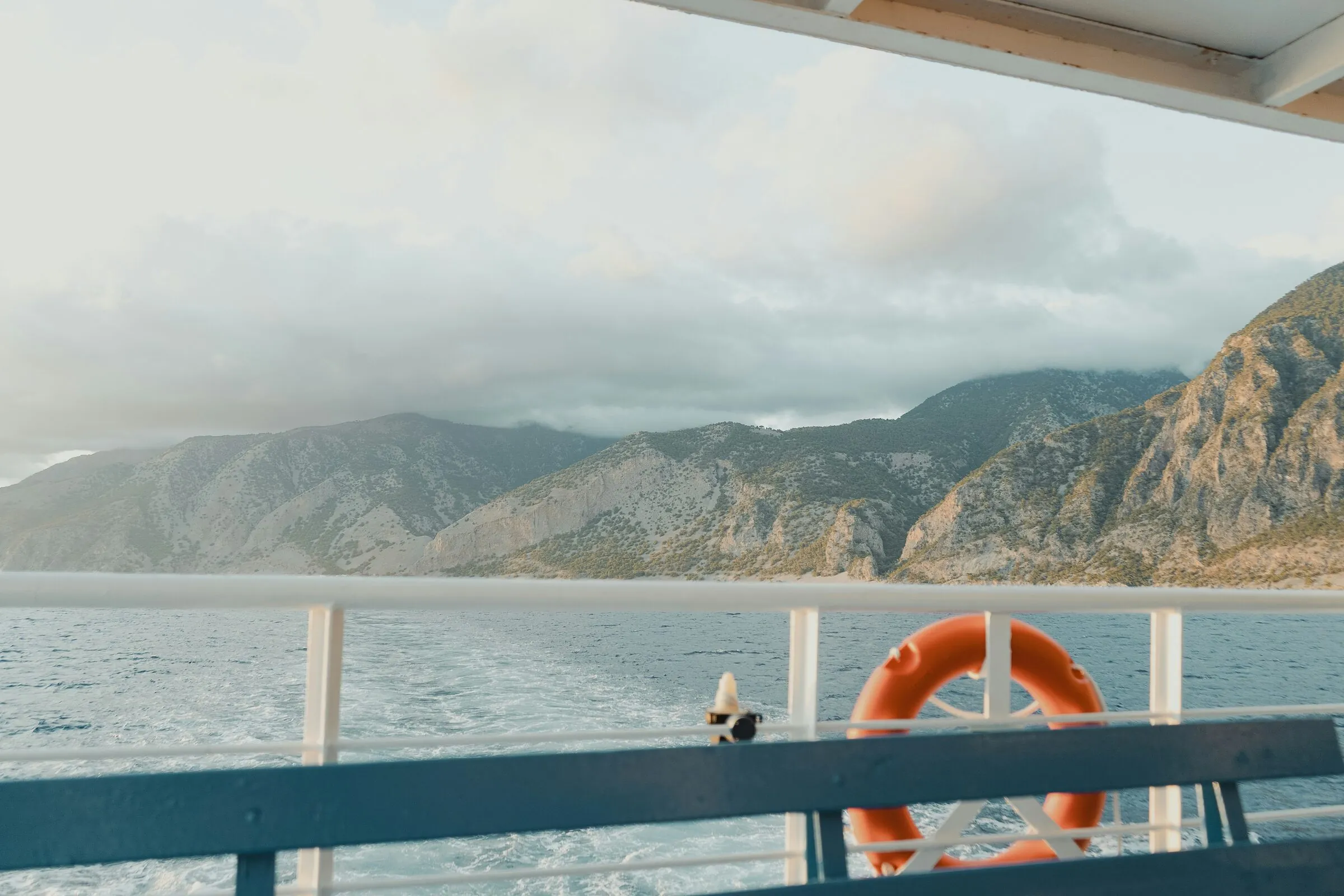 Small Ship vs. Mega Ship Cruising: Which Is Right for You?Mega ships and small ships are both cruises the way a Marriott and a boutique inn are both hotels. Here's how to tell which one is actually you.Read the dispatch →︎