What Is Expedition Travel (And Is It Right for You?)
Expedition travel is a category, not a destination. It’s defined by a single principle: the place comes first, and the itinerary is built around it — not the other way around.
Most trips are designed by the logistics: you book a hotel, you add attractions, you fill the gaps with meals. Expedition travel reverses that. It starts with an extraordinary place — a lodge in the Galápagos, a small ship in the Antarctic Peninsula, a camp under the northern lights — and then the entire experience is designed around what that place demands and offers.
I spend time in these rooms — at conferences, sitting across from operators who specialize in expedition geography. This is the category where I see the most intentional travel happening. Here’s what it actually is, where my relationships live in it, and how to know if it’s for you.
The Four Forms Expedition Travel Takes
Expedition travel isn’t a single thing. It’s a category that includes four distinct formats, each with its own rhythm and reason.
Luxury lodges in remote locations. These are all-inclusive properties in places you couldn’t reach otherwise — a lodge on the Osa Peninsula in Costa Rica, Campi ya Kanzi in Kenya’s Chyulu Hills. The lodge is the destination. You’re not driving to attractions from a hotel in town. You’re staying in a place that is the attraction. Meals are included. A naturalist or guide is included. Your entire week is architected around what’s possible from that location.
Small ship expedition cruises. These are vessels designed to reach places mega ships physically cannot go. UnCruise in Southeast Alaska carries 78 passengers and can anchor in a cove where you’ll kayak among glaciers. Lindblad-National Geographic’s ships in the Galápagos carry fewer than 100 guests and are staffed with naturalists who study ecosystems, not entertain crowds. These vessels trade mega-ship amenities for access. You’re there for the places the ship gets you to, not the ship itself.
Aurora and wilderness camps. The northern lights camps in Fairbanks, the glass igloos in Swedish Lapland, the cabins in Svalbard — these are designed around a specific phenomenon or landscape. You’re not here for amenities. The camp is a base camp for being in the environment. The best examples include expert guides, naturalist programming, and itineraries that flex around weather and animal behavior.
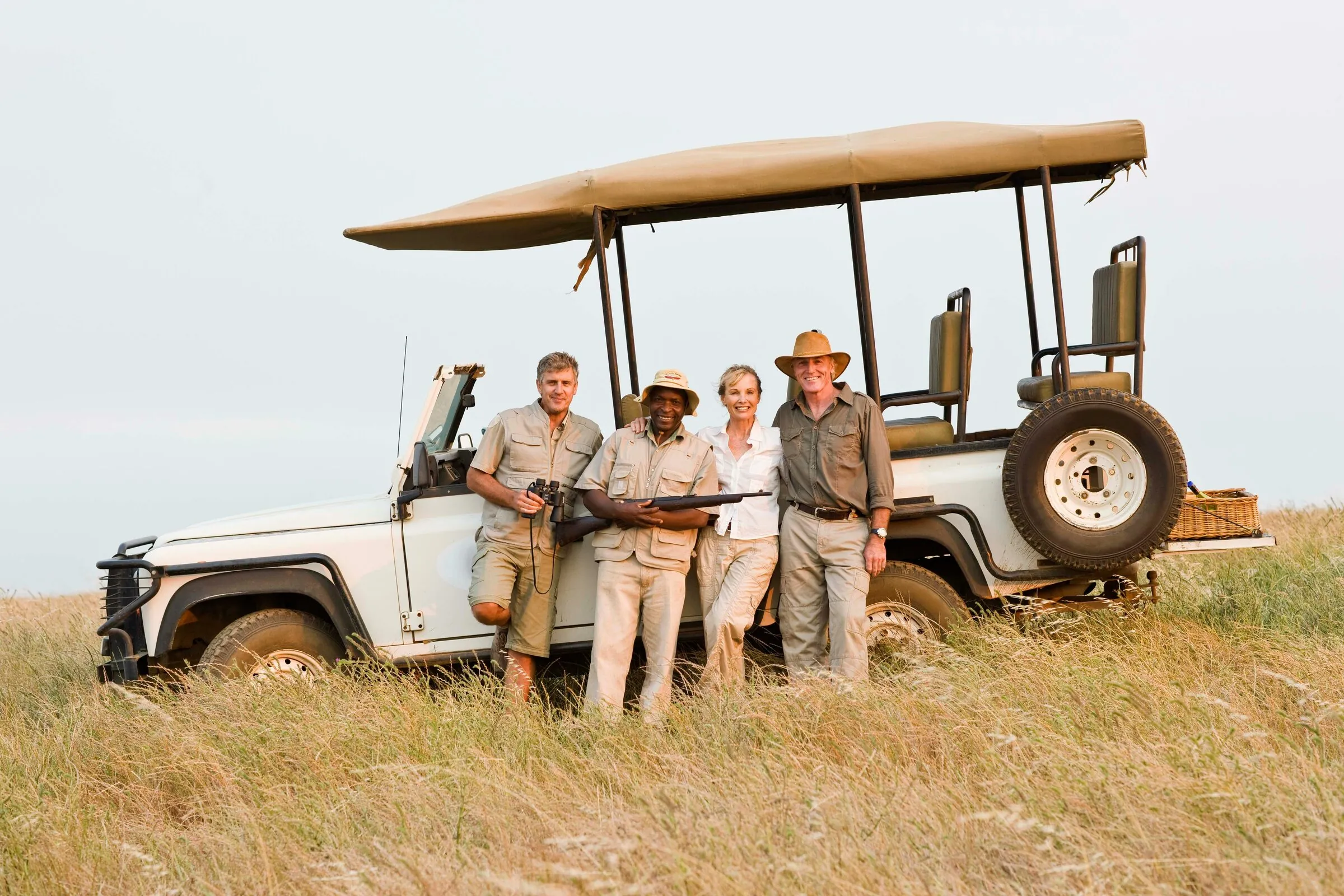
Private safari camps and reserves. A camp in the Serengeti, a lodge in the Tuli Block of Botswana, a private reserve in the Sabi Sands — these represent the gold standard of safari. They’re small (sometimes eight guests or fewer), they employ veteran guides, and they operate in landscapes where you have privileged access. Not national-park safari. Private-reserve safari, where the camp has relationships with the land and the animals that bigger operations simply cannot replicate.
What the Best Ones Have in Common
Across these four formats, the best expedition trips share three things that cheaper versions don’t.
Access you can’t book yourself. You cannot book the Galápagos cabin on Lindblad’s National Geographic Islander II on your own through Expedia. You can book a tour operator, but you won’t get the curated naturalist program, the fleet network, or the permission to move through the islands the way these operators do. The lodge in the Chyulu Hills isn’t findable through Google. The UnCruise departure in Glacier Bay isn’t available to walk-up guests. This access is the entry price. What you’re actually buying is the operator’s relationship with the place.
Guides who are experts, not tour-leaders. The difference matters more than you’d expect. A tour leader narrates attractions from a script. An expedition guide — especially in wildlife, glaciology, or indigenous culture — is usually an expert with credentials. A naturalist on a Lindblad ship has a PhD in marine biology or years of field research in that specific ecosystem. A guide at Campi ya Kanzi knows the Chyulu Hills landscape like a person who grew up there, because she did. These are people who can answer real questions, adjust itineraries when conditions demand it, and teach you something you couldn’t have learned alone.
Itineraries built around conditions, not clocks. A standard tour itinerary runs like a train schedule: 8 a.m. breakfast, 9:30 a.m. departure, noon arrival at site B, 2 p.m. lunch, 4 p.m. cultural center visit. Expedition itineraries are conditional. A wildlife boat leaves when the animals are active, not when the clock says. A glaciology hike cancels if the weather turns dangerous — which it will sometimes, and the operator absorbs the cost. An aurora night might run from 9 p.m. to 4 a.m. or not at all, depending on solar activity and cloud cover. The itinerary serves the place, not the schedule.
Who This Is For (And Who It Isn’t)
I’ll be direct: expedition travel is not for everyone, and I don’t recommend it to clients who don’t actually want it.
Expedition travel is right for you if:
You want to go somewhere, not just see somewhere. You want to understand a landscape, an ecosystem, a phenomenon. You’re willing to be uncomfortable — no elevators, limited cell service, variable meals — in exchange for being genuinely in the place.
You value expertise over entertainment. You’d rather have a 45-minute conversation with a naturalist than watch a Broadway show. You want to learn something you didn’t expect.
You have the budget. Expedition travel is expensive. A week in the Galápagos runs $7,000 to $12,000 per person, or more. A private safari week can cost $5,000 to $15,000 depending on the camp. An aurora camp in Lapland runs $3,000 to $6,000. These are real numbers. If price alone is your primary driver, a standard luxury hotel and arranged tours will feel like better value.
You’re flexible about comfort. That lodge in Costa Rica has solar power and composting toilets. The aurora cabin in Fairbanks is cold at night, intentionally, so you can see the lights. The small ship rocks in heavy seas — there’s no thruster to level it. If predictable hotel comfort is essential to you, expedition travel will disappoint.
Expedition travel is probably not for you if:
You need constant activity and entertainment. Expedition camps have quiet mornings and evenings. The rhythm is slower. You’re not plugged into programming all day.
You want a specific activity (golf, spa, fine dining) as the main event. Expedition camps are built around place, not amenities. If you’re traveling primarily for a treatment or a sport, a resort that specializes in that will serve you better.
You can’t tolerate uncertainty. Weather cancellations happen. Wildlife is unpredictable. Itineraries change. If fixed plans are non-negotiable, this won’t feel good.
Where My Relationships Actually Live
I’m transparent about the depth of my expertise across expedition categories. I attend UnCruise conferences and have co-hosted group trips with their operators — I know that network well. I know the AmaWaterways small-ship river program through Signature relationships. I’ve sailed the Queen Mary 2 and can speak from experience there.
For safari, Antarctica, the Galápagos — these are categories where I build trips through relationships with Signature operators. I don’t have boots-on-the-ground knowledge in every ecosystem. What I do have is access to operators who do, and the experience to know which operator matches which traveler. I attend industry showcases where these operators present. I sit in the same rooms they do. I’m in motion — constantly learning, constantly updating my network — even where I haven’t personally guided every trip.
Don’t mistake that distinction. It’s not a knock on the category. It’s me being honest about where I’ve been and where I’m building through relationships instead.
How to Know If This Is Your Trip
If you’re drawn to expedition travel, the question isn’t “is this real?” It’s “which format, and why?”
Do you want to stay in one extraordinary place for a week and get to know it deeply? Luxury lodge.
Do you want to move through a landscape and access multiple ecosystems or regions? Small ship.
Do you want to be in a specific environment at a specific moment — the northern lights season, the migration, a particular geological window? Camp.
Do you want to see wildlife in intimate conditions with a veteran guide? Safari.
Once you answer that question, the next question is budget and threshold for the discomfort I mentioned. After that — let’s talk.
The best trips in this category are planned by someone who understands both the place and who you are as a traveler. That’s what I do. Book a 30-minute discovery call and we’ll figure out if expedition travel is your next trip, and which format matches who you actually are.
For how I think about expedition travel across the trip-type spectrum, the Wild Places & Luxury Lodges page is the canonical version.
Last updated: May 2026. I keep this guide current as I move through these experiences.
Plan your trip with me.
A 30-minute discovery call is where it starts. No fee, no pressure.
Book a Discovery Call