Luxury Lodge Travel: Africa, the Andes, and Beyond
A luxury lodge is not a hotel. The distinction matters more than you might think.
A hotel is where you sleep after you’ve spent the day doing something else. You check in, you rest, you check out. The hotel supports your itinerary.
A lodge is the itinerary. You arrive, and the place itself becomes your world for however long you’re there. You eat what the lodge feeds you, participate in what the lodge offers, wake to the rhythms of the place. You don’t pass through a lodge. You live inside it.
What Makes a Luxury Lodge Different
A luxury lodge is a small property — usually 20 to 60 rooms, sometimes fewer — built specifically for a place and a purpose. An African safari lodge is designed for game drives and wilderness immersion. A Patagonian estancia is built around horsemanship and the wind off the steppe. An Alpine lodge in Switzerland is designed for hiking, mountain air, and the kind of quiet that cities can’t offer.
The architecture is built for the landscape. The dining is built around what the region produces. The activities aren’t a menu you browse — they’re the reason the lodge exists.
The experience is immersive and intentional. You’re not sightseeing a place. You’re inhabiting it.
The Opposite of a Hotel
This is the crucial part: you don’t commute to the experience. You don’t helicopter to a safari lodge, do a game drive, and then return to your room in the nearest city. You’re at the lodge. The lodge is remote. Getting there required intention. Leaving requires intention.
The remoteness isn’t a bug. It’s the point. It separates you from the world that usually fills your day.
A luxury lodge requires time — at least three nights, ideally more. A two-night stay doesn’t let you settle into the rhythm. You need time to adjust, to participate, to actually be somewhere instead of just visiting it.
Where I Send Travelers
I plan lodge experiences in three regions where my partner relationships are strongest:
African safaris — Kenya, Tanzania, Botswana, South Africa, Namibia. The operator network here matters more than almost any other category I work in. I book through the relationships that actually deliver — Singita, Wilderness, Great Plains, andBeyond, Natural Selection, Machaba — plus the smaller family-run camps that come through the trade circles I keep current with: industry conferences, BDM check-ins, the planning weeks where you find out which camp is changing chefs and which is still itself.
South American estancias and jungle lodges — Patagonia, the Andes, Ecuador, Peru. The horsemanship-and-wilderness end of luxury lodge travel. Estancias built around working ranches rather than performances of one. The jungle lodges in the Amazon basin where the guides are the trip and the property is just the base.
Alpine lodges — Switzerland, the Italian Lakes, Austria, the Dolomites. Private chalets and small luxury hotels where summer hiking, shoulder-season quiet, and winter ski-in/ski-out each justify their own week. (Bern as a base for Switzerland, or the Bürgenstock cliff resort above Lake Lucerne, are both directions worth knowing about if the Alps are calling.)
In all three regions, I choose lodges based on who they’re built for. The right lodge for a couple of adventurers is completely different from the right lodge for a family or a solo traveler seeking solitude. Pairing the trip to the property is the discovery-call conversation.
Thinking about Africa, Patagonia, or the Alps? Start with a 30-minute discovery call — I’ll walk through which region fits your timeline and what kind of lodge experience actually matches what you’re after.
Who This Is For
You’re a strong candidate for luxury lodge travel if you want to feel somewhere, not just see it. If the idea of spending a week in one place — getting to know its rhythm, its light, its quiet — actually appeals to you. If you’d rather have four expert-led game drives than twelve hurried sights.
If you want check-all-the-boxes tourism and constant photo opportunities, lodge travel is the wrong call. You’re committing to depth, not breadth.
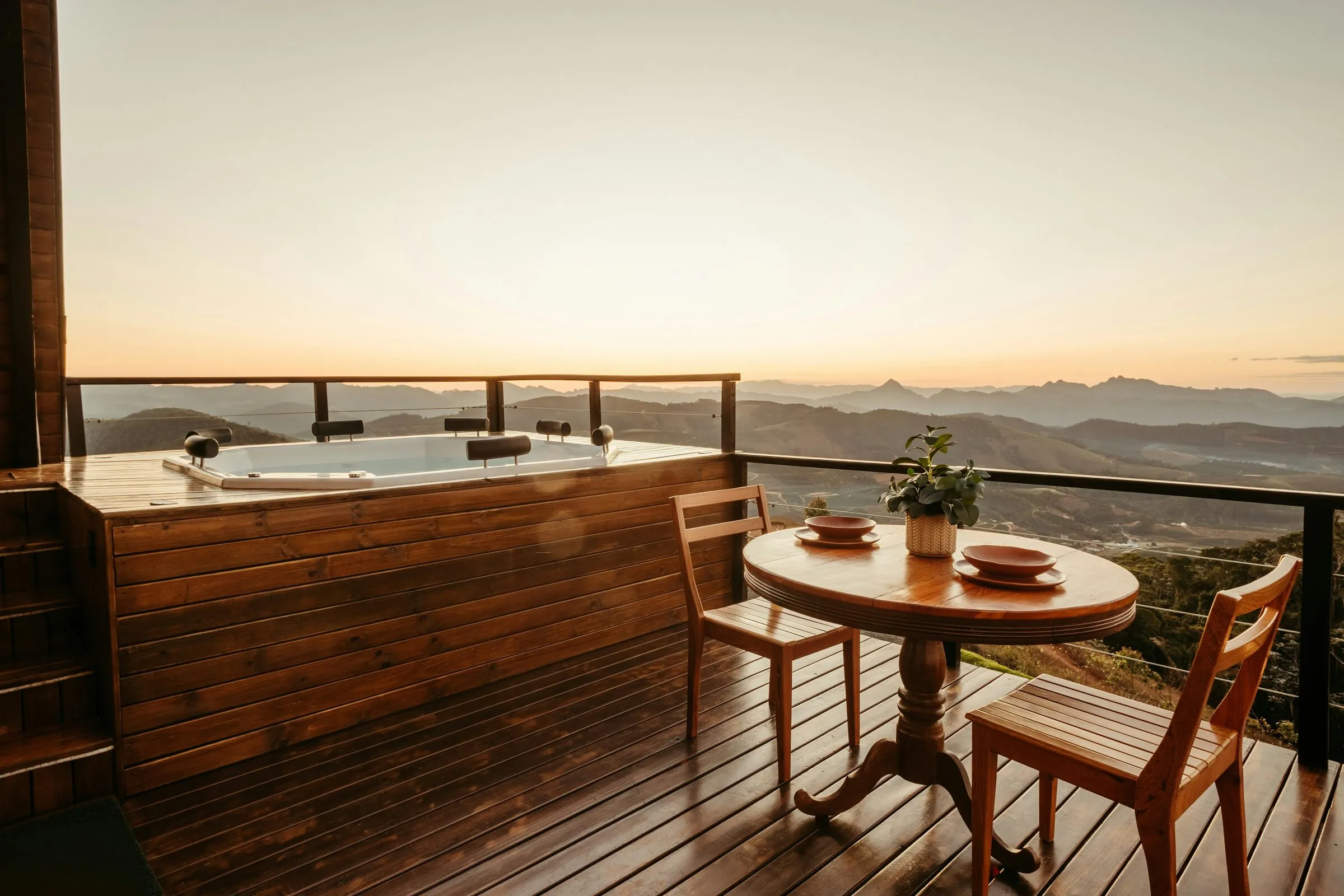
If the idea of sleeping to the sound of an African ecosystem, or waking to a mountain sunrise from your own balcony, or riding horses across the Patagonian steppe sounds like your actual dream — then we’re talking about the right thing.
The Reality of Pricing
Luxury lodges are expensive — not all-inclusive-resort expensive, but genuinely expensive. A week at a top-tier safari lodge can easily exceed $10,000 per person. A Patagonian estancia with horses and guides runs in the same range. An exceptional Alpine lodge sits a notch lower depending on the season but is still a real investment.
What you’re paying for is scarcity, expertise, and access. A guide who actually knows the ecosystem and can find wildlife most visitors miss. A chef who understands the region. A property designed by architects who spent months understanding the landscape rather than weeks branding a logo.
You’re also paying for space. A safari lodge with 40 guests across the entire property means fewer people on game drives, less crowding at meals, more attention from staff. The cost-per-day experience value is unlike anything else; the right comparison isn’t a $200-a-night hotel, it’s the kind of memory that becomes the story you tell for the next decade.
For more on the broader Wild Places category and how I think about it across the trip-type spectrum, the Wild Places & Luxury Lodges specialty page is the canonical version.
My Job Here
What I bring to lodge travel is knowing which lodges are actually world-class versus which are marketing themselves that way. Which guides are specialists versus generalists. Which properties have been thoughtfully designed and which have been slapped together. Which lodges earn the higher price point and which charge premium rates for inflated reputation.
The relationship infrastructure matters more in this category than anywhere else I plan in. The operators I work with — through industry conferences, BDM relationships, and the trade circles that don’t show up on Booking.com — are the difference between a lodge that delivers and a lodge that sells the marketing version of itself.
What Actually Happens When You Go
You arrive after a transfer from the nearest town — sometimes a four-wheel-drive vehicle, sometimes a small plane, depending on how remote the lodge is. The remoteness is part of the promise.
The lodge manager meets you. The guide meets you. You’re oriented to the rhythm of the place.
Then you settle in. Early wake-ups for game drives or hikes or horseback rides. Excellent meals. Downtime in your room reading, or by a fire, or on your balcony. Evening activities or quiet. Dinner. Sleep.
Repeat — and discover that this rhythm is the most restorative thing that’s happened to you in months.
By day four, you’re not thinking about emails. By day six, you’re already considering how to come back. By day eight, you’re changed.
That’s lodge travel.
Where to Go From Here
If the idea of falling asleep to the sound of lions and waking to an African sunrise has crossed your mind — if you’ve imagined yourself riding horses in Patagonia or sitting on a balcony overlooking the Swiss Alps at dawn — I want to hear about it. (And if it’s a milestone trip — honeymoon, anniversary, big-birthday — the Honeymoon planning pillar is the natural starting point.)
These trips don’t happen by accident. They take time, research, the right property for who you are. They’re expensive and specific and worth every penny on the trips that earn them.
Book Your Free Discovery Call →︎
Last updated: April 2026. I keep this guide current.
Plan your trip with me.
A 30-minute discovery call is where it starts. No fee, no pressure.
Book a Discovery Call