The 90-second case
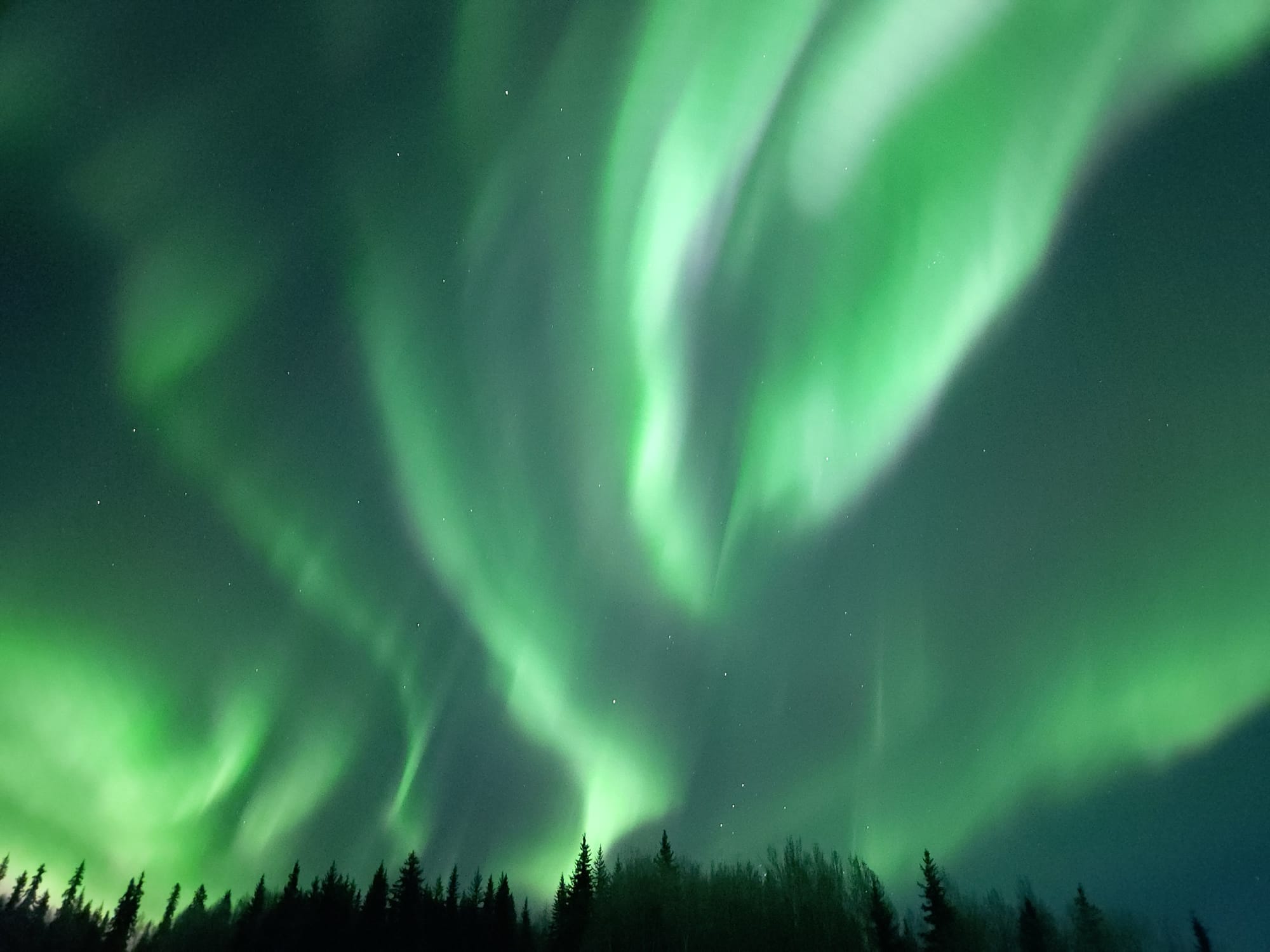
Fairbanks sits directly under the auroral oval — not adjacent, under it. That single fact is why the world's serious aurora chasers go there instead of Iceland or Norway. The Geophysical Institute at the University of Alaska Fairbanks publishes the forecasts the rest of the planet uses; they're forecasting their own backyard.
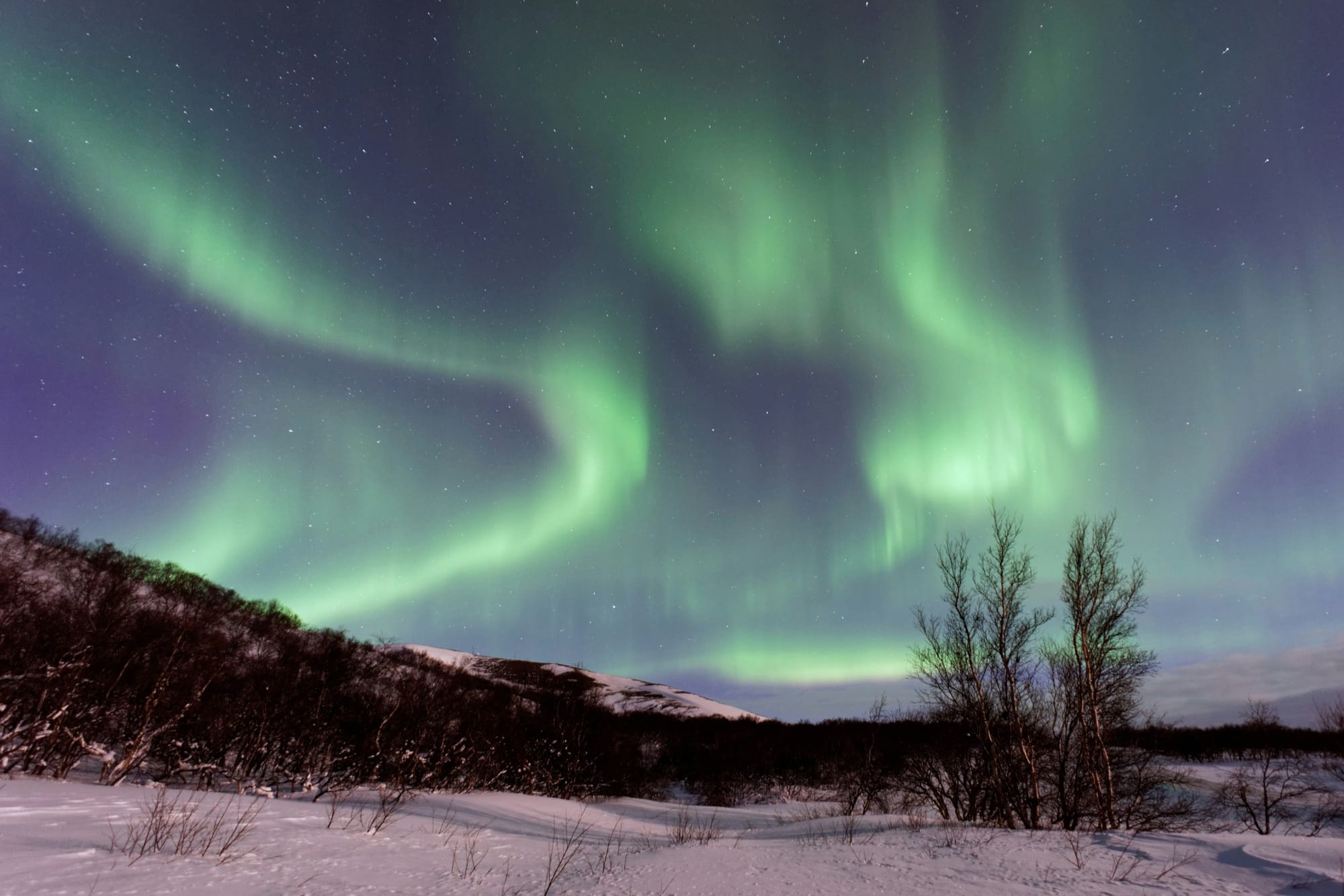
March is the math month inside that geography. Cold enough that the air is crisp and the sky is clear. Warm enough — relatively, we're talking -10°F to 25°F — that you can stand outside long enough to actually watch the show. Late-February-through-mid-March is the highest aurora-strength window of the year. Stacking three dedicated viewing nights inside that window puts the odds about as far in your favor as aurora viewing gets — more clear-sky chances, a better shot at catching a strong show on at least one of them.
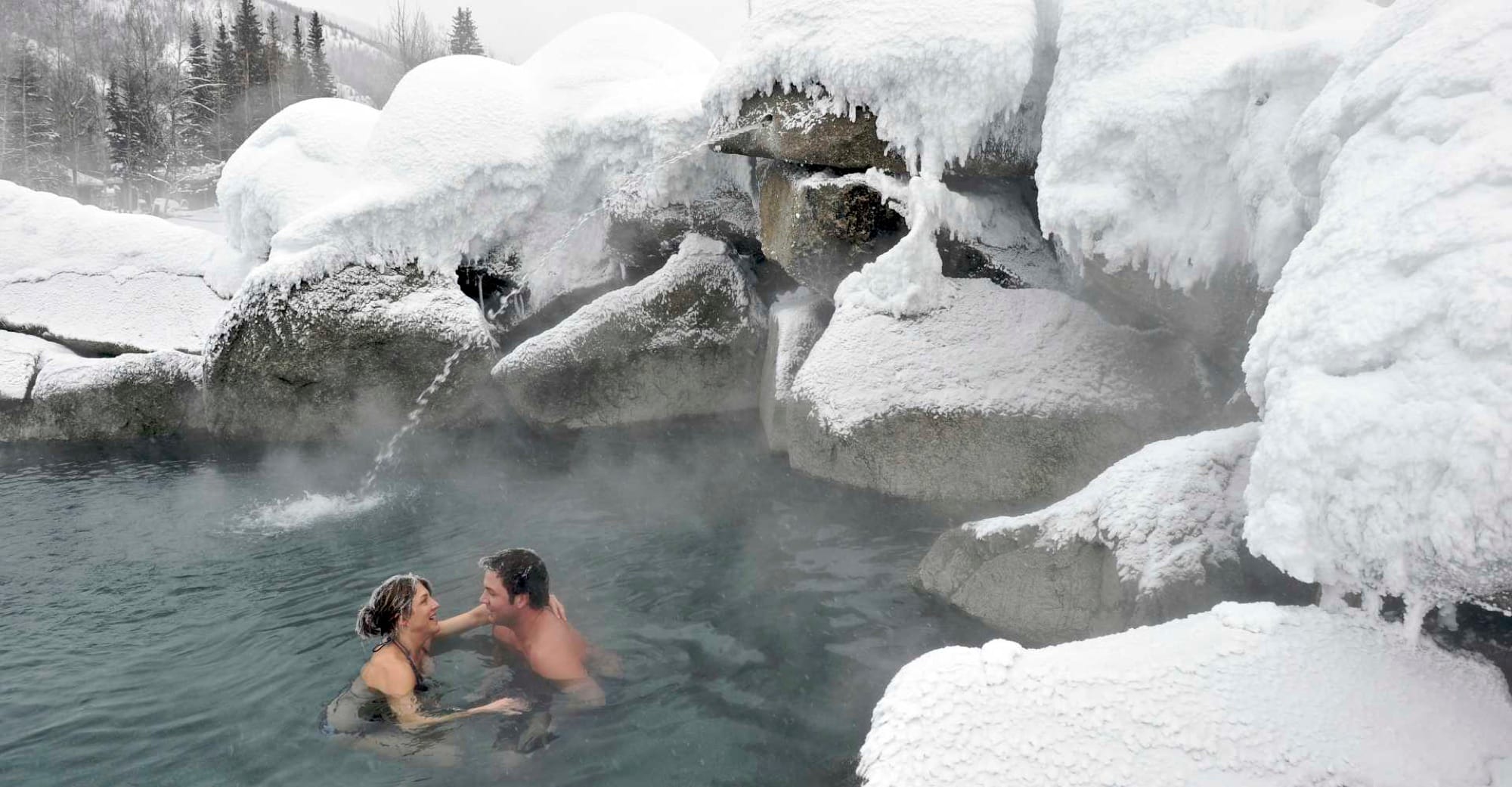
We've built three viewing nights in. Plus two nights at Chena Hot Springs Resort — a property that sits dead-center under the oval, where the lights are often directly overhead while you're soaking. The math is the math, and we've built around it. We can't promise the sky. We can promise we've put you in the best place on Earth to see it.
The itinerary, compressed
Six days, five nights, one Sprinter. Here's the shape of the week — the full day-by-day, with timings and the included / not-included detail, comes in your booking packet.
Why hosted, not the cruise — and not a 40-person bus tour
Alaska sells two ways most travelers know about. The summer cruise — Princess, Holland America, Royal Caribbean — Inside Passage, glaciers from the deck, four-hour shore excursions in Juneau and Skagway. A great trip; the right call for plenty of travelers; a fundamentally different product. The summer cruise is about seeing Alaska. The winter hosted trip is about being out in it after dark. You can't do the second from a cruise ship. The aurora isn't a port. It's a sky.
Most aurora travelers either self-book Fairbanks and hope for the best, or end up on a 40-person bus tour that runs viewings on the schedule the bus runs, not the schedule the sky runs. We built the third option: 14 travelers, one Sprinter, two hosts present at every dinner and every viewing, and the operational flexibility to chase the sky when the sky is showing up. The full case is in Why a Hosted Small Group Beats a Big Tour for Alaska.
Who this is for
Couples, solo travelers, friend pairs booking a cabin together, a parent bringing an adult child. A few honest things to know before you decide.
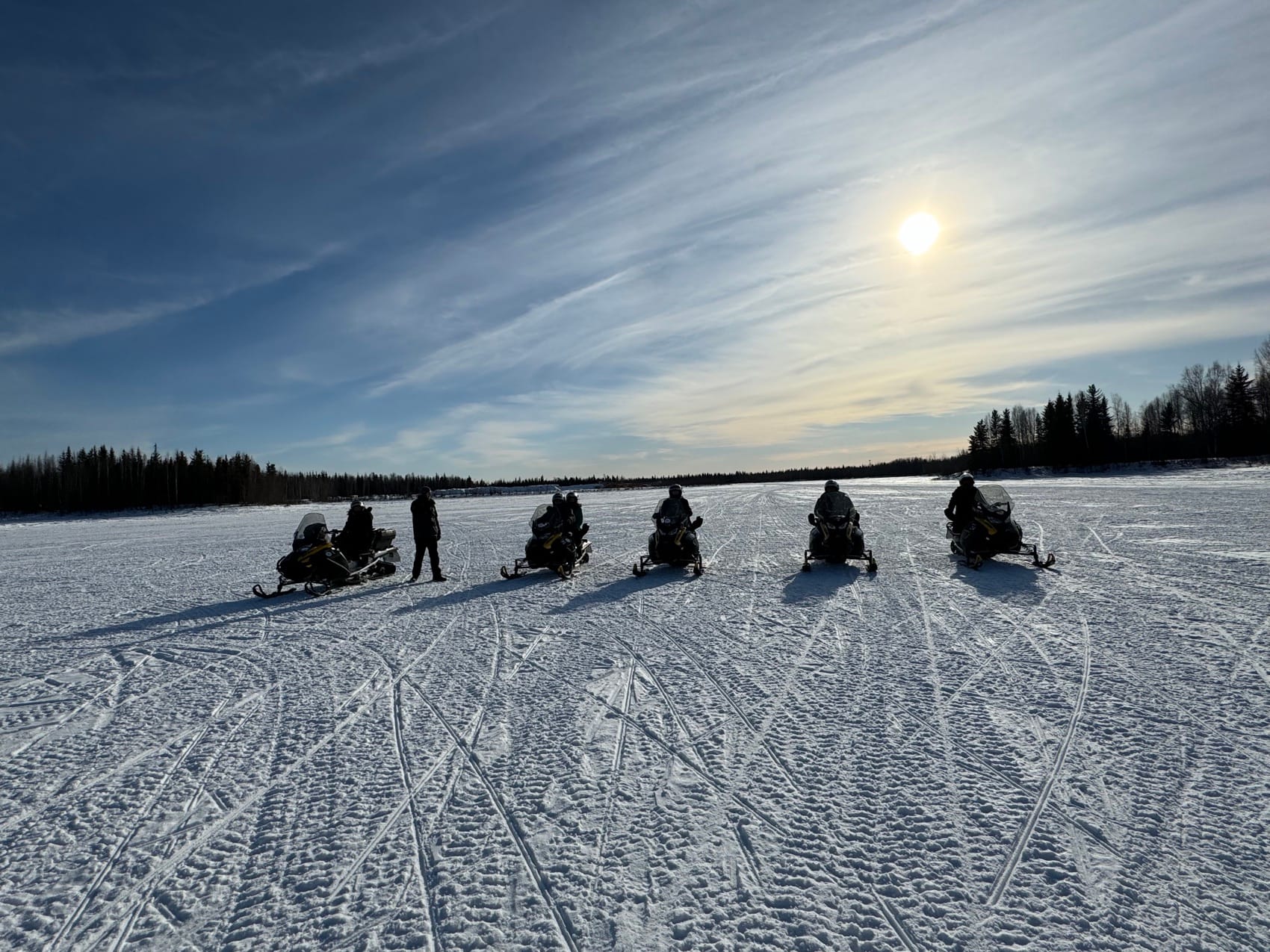
- Activity level: moderate. Walking on snow, sitting in a sled, soaking in hot springs, standing outside at night. Nothing requires conditioning. Everything requires layers.
- The cold is real. March in Fairbanks runs roughly -10°F to 25°F. The good news: interior Alaska cold is dry, so it bites differently than wet Northeast cold and you can dress for it. The better news: we send a packing brief before you fly. How to Pack for -20°F covers the whole approach if you want a head start.
- The group is capped at fourteen. Not as scarcity copy, as a design choice. More than fourteen and the Sprinter doesn't work, dinner conversations split into cliques, the sled-dog timing breaks down. We picked the number first and built the trip around it.
- If "cold and dark" sounds like a punishment, this isn't the trip. If "cold and dark and the sky doing something I can't explain" sounds like the entire point, you'll be fine.
The hosts
Liz Walton has been to Alaska more times than she can quickly count. Erik Scheets hasn't been once — March 2027 is his first time. That asymmetry is, strangely, exactly why the partnership works: Liz carries the deep muscle memory of the place, Erik carries the particular hunger of someone who's been hearing about it for years and hasn't yet gone. Both of you are on the ground every day. Both of you sit at every dinner. Both of you stand under the sky every viewing.
The full backstory of why we built this trip — and how Zach Fyne at Southwest Adventure Tours became the doorway — is in Why We're Going to Alaska in March (And Why You Should Come). The advisor-side thinking on routing, hotel choice, and what we'd do differently for a private booking is in Behind the Itinerary: Why Liz and I Built This Alaska Trip.
What's included
In the price
- Tour director and local guides throughout
- Five nights' lodging — SpringHill Suites Fairbanks (×3) and Chena Hot Springs Resort (×2)
- Five breakfasts, two lunches, three dinners
- Three dedicated aurora-viewing excursions
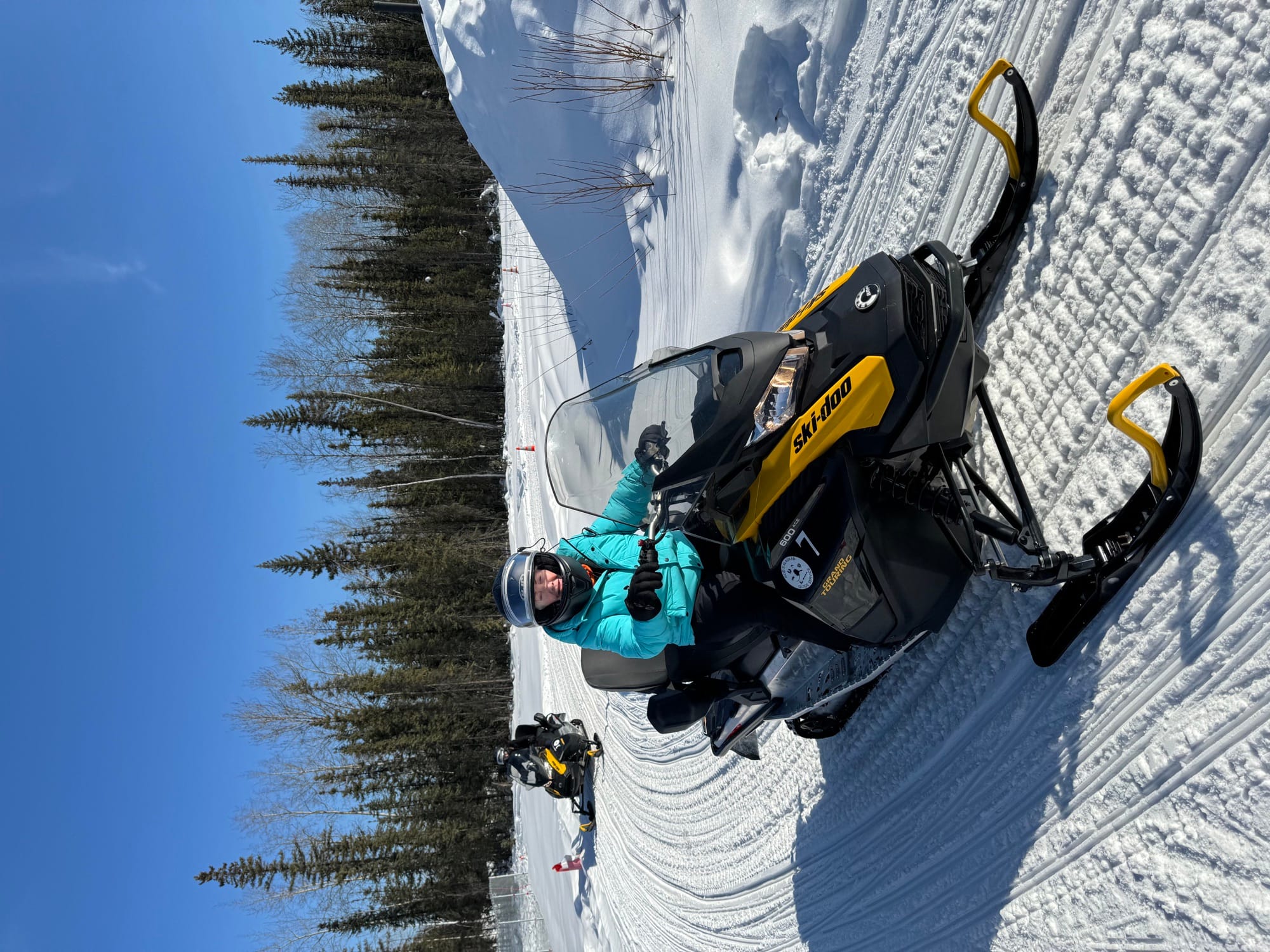
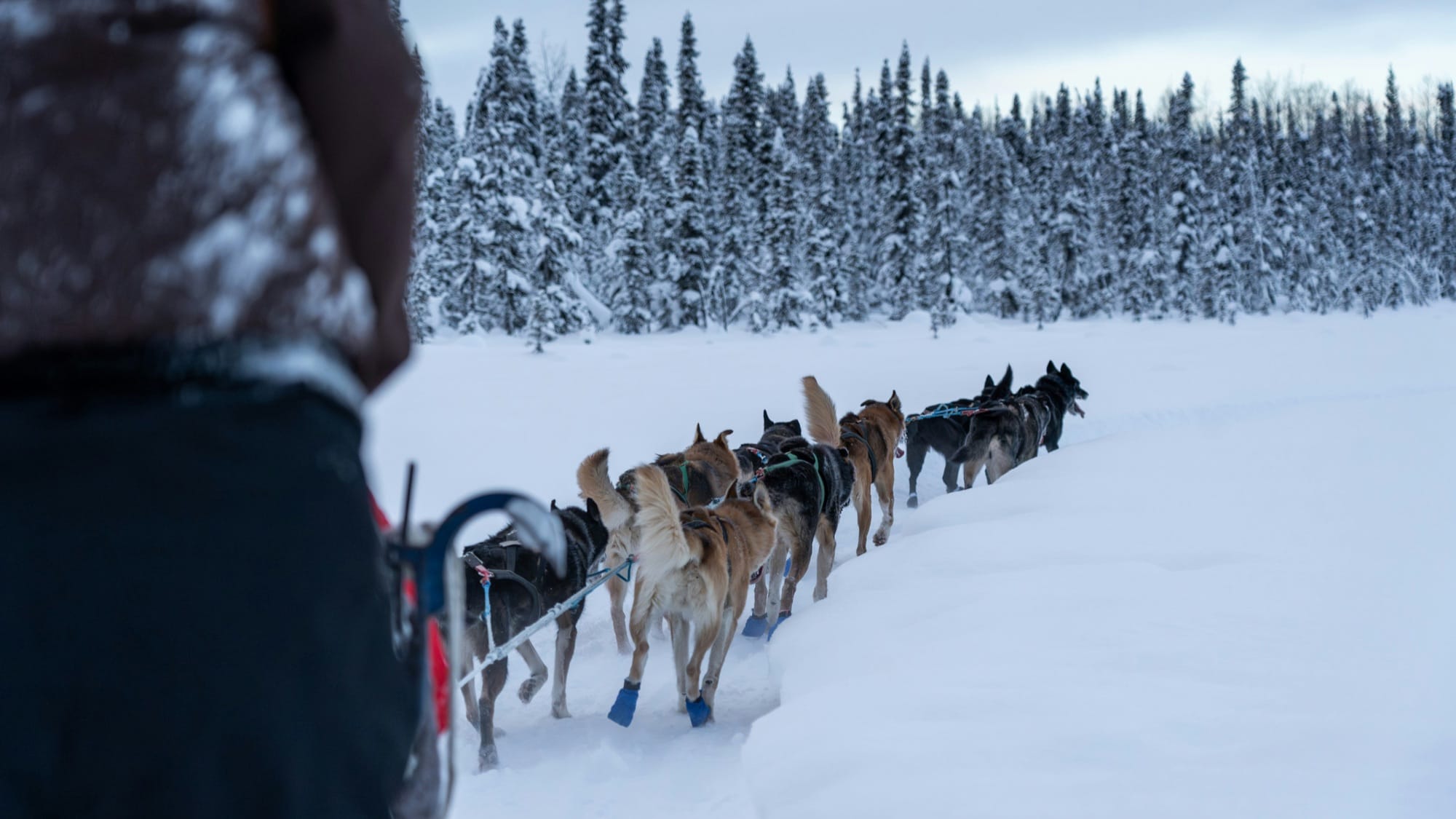
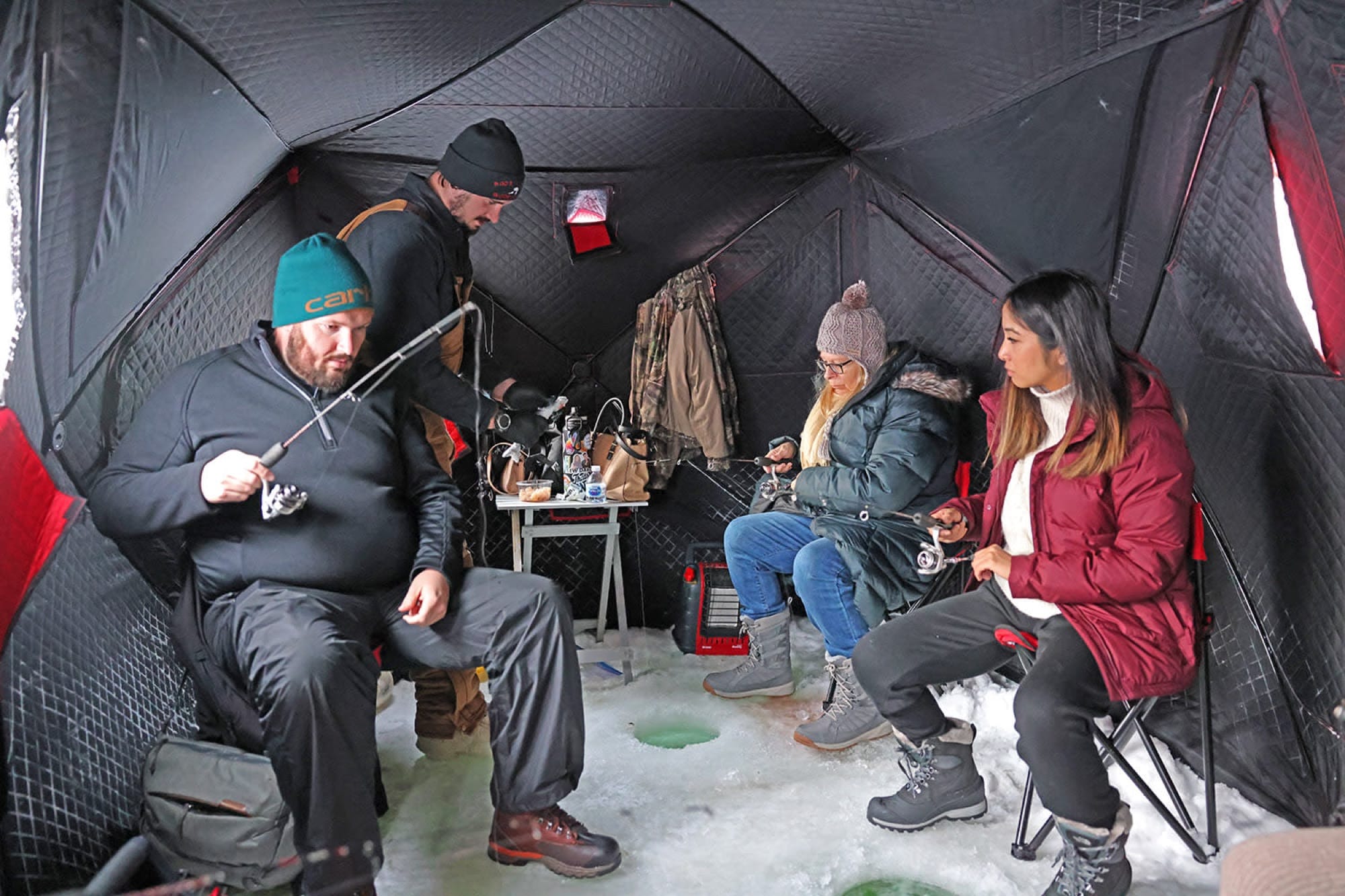
- Snowmobile tour, dog sledding, and ice fishing
- Snowshoeing or cross-country skiing at Chena
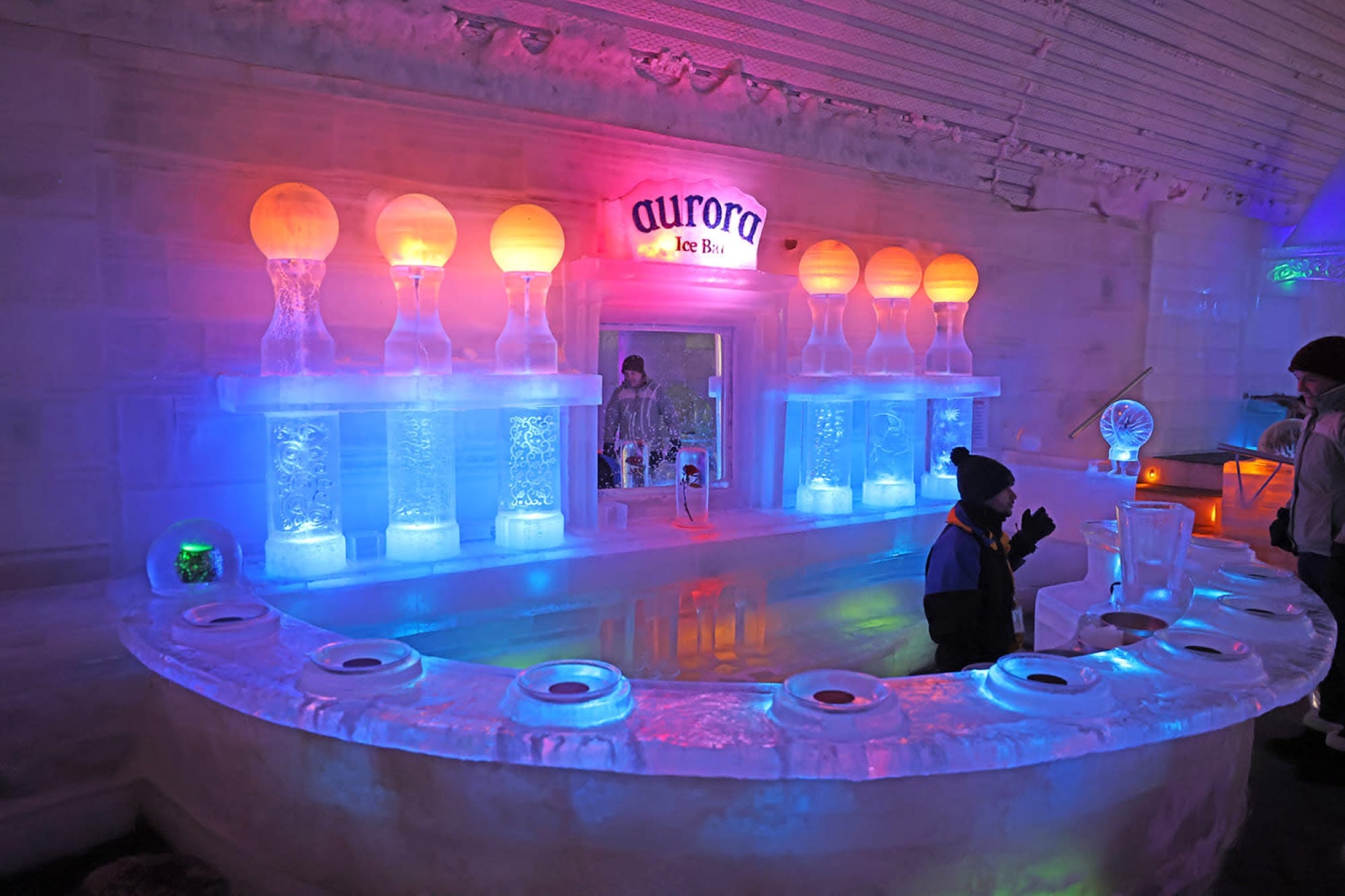
- Aurora Ice Museum and attraction entrance fees
- Private Mercedes Sprinter transport and airport transfers
- Gratuities for included meals, local guides, and outfitters
- Applicable taxes and fees
Not included
- Airfare to Fairbanks (FAI)
- Travel insurance — strongly recommended
- Meals not listed above
- Alcohol and items of a personal nature
- Snowshoe / cross-country-ski rental fees
- Gratuity for your tour director (about $20 per person, per day)
Reserve your cabin
This trip is booked and selling now — fourteen cabins, first-come. Southwest Adventure Tours runs the ground operation; Liz and I host every day. A deposit holds your cabin, then a four-payment plan spreads the balance across 2026.
Triple and quad occupancy on request. Airfare to Fairbanks (FAI), travel insurance, and a few personal extras aren't included — the full included / not-included list is just above, and again in your booking packet.
Payments are per cabin. The deposit is non-refundable, and travel insurance is strongly recommended.
I'm reserving one cabin at a time for now, so a quick call is the fastest way to lock yours. Not ready to commit? Add your name below — you'll get the packing brief and a heads-up before the cabins go.