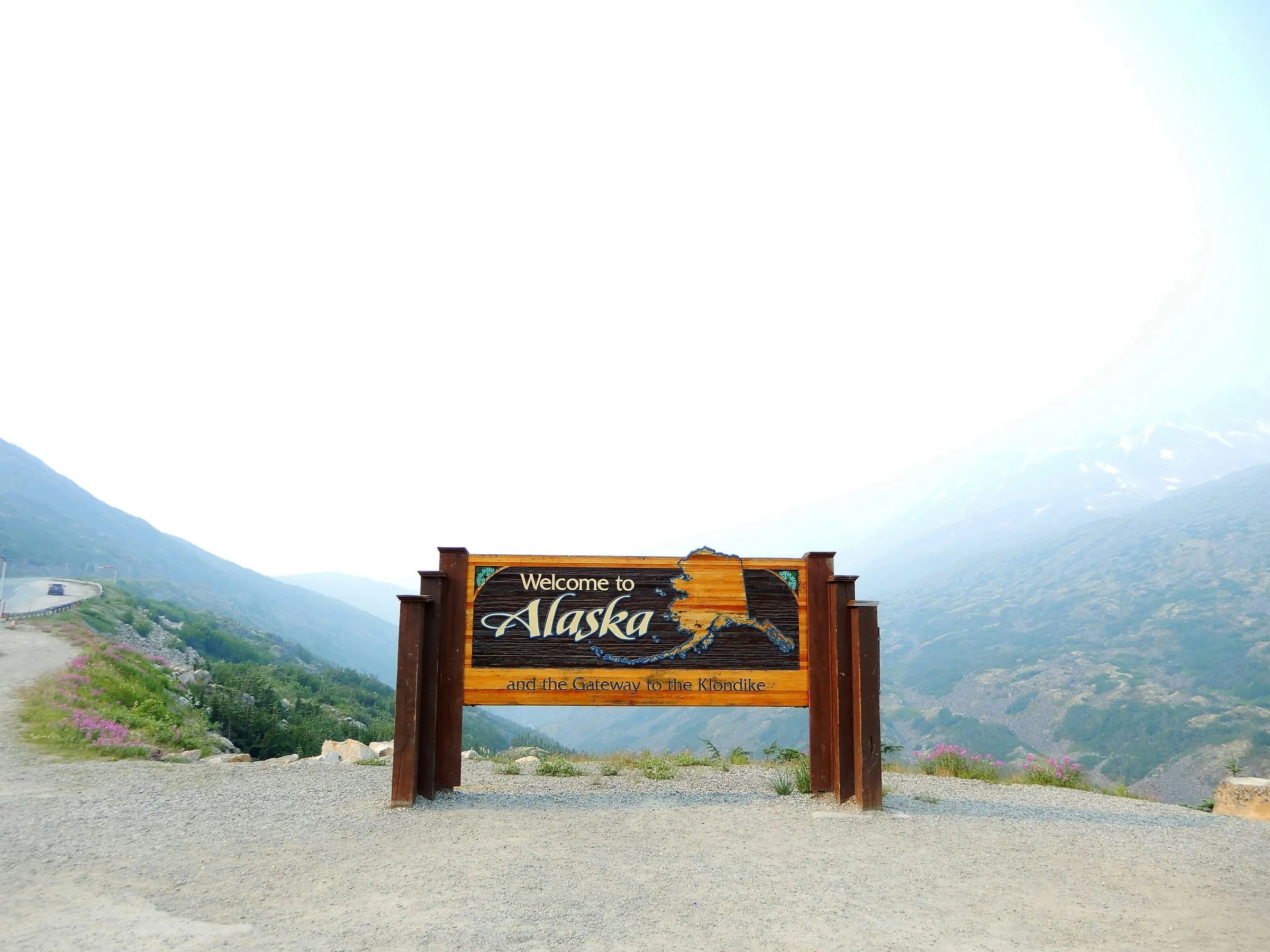
Skagway is the most theatrical port on the Inside Passage — the gold-rush capital of the 1890s, a working town that exploded from nothing to thousands in a matter of months during the Klondike Gold Rush, and then settled into the role of the town that preserved itself. Most of the downtown — the wooden storefronts, the painted Victorian facades, the saloons and hotels — is original, or original-era reconstruction. It feels less like traveling to Alaska and more like traveling backward in time to a specific moment: 1898, when prospectors were streaming northward and Skagway was the frontier boomtown that made or broke the journey.
The challenge is that Skagway leans hard into the gold-rush tourism story, to the point where cruise passengers sometimes can’t quite separate the museum version from the actual history. Done with a plan, the town is genuinely interesting — the White Pass & Yukon Route heritage railway is one of the great narrow-gauge train rides in North America, the town’s preserved Victorian core is architecturally distinctive, and the Chilkoot and White Pass trails that most prospectors used still climb the surrounding peaks.
Here’s how I think about Skagway.
At a Glance
| Setting | A narrow waterfront town at the head of Lynn Canal in northern Southeast Alaska, with steep mountains rising immediately behind downtown. The harbor is the natural anchorage for the Inside Passage, which is why the gold rush settled here. The town feels contained and time-capsule-like because it is. |
| Historic core | The entire downtown district is a National Historic Landmark. Most buildings date to the 1890s gold-rush era, many original, others well-executed recreations of the period. |
| Best season for cruising | May–September. Late May through mid-June offers longer days and lower cruise-ship crowds than peak July–August. |
| Typical port day length | 8–10 hours, usually morning arrival and afternoon departure. Enough time for the classic Skagway experience (downtown walk + White Pass train or Chilkoot viewpoint). |
| How to get there (overnight) | Float-plane from Juneau (45 minutes) or the Alaska Marine Highway ferry. Most visitors arrive via cruise ship. |
| One thing most guides won’t tell you | Skagway feels more touristy than other Inside Passage ports, which means the quality control on the “authentic experience” sometimes wears thin. The town leans into the theater, which is part of the appeal — just be aware that some of the gold-rush vibe is curated. |
Why I Send Travelers Here
Because Skagway is one of the two or three most distinctive Inside Passage ports — a real place with genuine historical architecture and a real story, even if the tourism presentation sometimes oversimplifies it. The White Pass & Yukon Route railway is the standout experience: a narrow-gauge heritage train that climbs the White Pass grade (built during the gold rush, originally to haul supplies for prospectors) with views of the surrounding peaks that justify the ticket price alone.
The downtown walk is worthwhile — the preserved Victorian storefronts, the Arrowhead and Chilkoot trails visible on the mountainsides above town (thousands of prospectors literally climbed those trails with 50+ pounds of supplies), and the gold-rush museum spaces are all genuinely interesting if you spend time with them rather than rushing through.
I send travelers here as part of the Inside Passage extension or small-ship Alaska itinerary. For first-time Inside Passage travelers, Skagway offers something different from the glacier and wildlife focus of other ports — it’s primarily a historical and scenic experience, which appeals to travelers interested in narrative and landscape over wildlife viewing.
For Cruisers: Port Day Planning
Most cruise itineraries give you 8–10 hours in Skagway, usually a morning arrival and early afternoon departure.
The immediate decision: White Pass train or independent exploration.
White Pass & Yukon Route narrow-gauge train: This is what most travelers come for. A 2–3 hour journey up the historic White Pass grade, originally built in 1898 to supply Klondike prospectors, with views of mountains, waterfalls, and the surrounding peaks. The train climbs to about 2,865 feet at the summit, then descends back. Most cruise lines offer this as a standard shore excursion (~$120–200 per person). It’s genuinely worth doing — it’s one of the great narrow-gauge train rides in North America.
Independent option: If you skip the train, you can do a downtown walking tour, visit the Trail of ‘98 Museum or the Gold Rush Cemetery, and have lunch in town. This gives you more time in the historic core and more flexibility, but you miss the railway experience.
Honest recommendation: The train + a quick downtown walk is the ideal Skagway port day. The train takes 2.5–3 hours, leaving you an hour for downtown coffee/lunch and a walk through the National Historic Landmark district before boarding.
For Overnight Travelers
If staying overnight in Skagway (pre-cruise or post-cruise add-on), you have time for a deeper visit.
Where to Anchor:
Westmark Inn Skagway (downtown, Broadway, 57 rooms) — the downtown anchor. Walking distance to the historic district, restaurants, and the railway depot. Basic but reliable Westmark formula (the Alaska chain standard).
At The White House Inn (5 Broadway, 8 rooms, historic building) — a smaller, more intimate option in a well-preserved white Victorian building right in the heart of downtown. More character, fewer amenities, genuinely different from the chain hotels.
Either works; it depends on whether you prioritize property amenities or historic-district authenticity.
What I’d Do With a Day in Port
Morning — Early Walk & Coffee
Start early (7–8 a.m.) with a walk through the Historic Downtown District before the cruise-ship groups arrive. The painted storefronts, the Arrowhead Saloon (original gold-rush building), and the small galleries and shops are genuinely more interesting when they’re not crowded.
Have coffee at a local café — Skagway Brewing or Gilded Goat Coffee House — and pick up a walking-map from the visitor center.
Mid-Morning — White Pass Train
Depart for the White Pass & Yukon Route railway (depot is walkable from downtown or a short taxi ride). The 2–3 hour round trip is the centerpiece of the Skagway port day. Book ahead if possible (especially in peak season). The views alone are worth the ticket; the narrow-gauge-train experience is a bonus.
Afternoon — Gold Rush Museum & Downtown
Return from the train by early afternoon. Spend 45 minutes to an hour at the Trail of ‘98 Museum (gold-rush history, prospector gear, the actual story of the stampede), then lunch at a local restaurant — The Salmon Bake House, Red Onion Saloon (original saloon building, now a bar/restaurant), or Bonanza Bar & Grill.
Walk the Gold Rush Cemetery if you have time (short steep walk uphill from downtown, burial sites of some of the prospectors and town characters). The inscriptions tell stories.
Late Afternoon — Optional Second Experience
If the train didn’t happen, visit the Chilkoot Trail National Historic Site visitor center for the story of the prospector routes (Chilkoot and White Pass are the two main trails visible on the mountains above town). It’s an interpretive center, not a trail experience, but it tells you why this location mattered.
What I’d Do With Two or More Days
Take the Chilkoot Trail hike (a 3–4 day trek that retraces the original prospector route over the Chilkoot Pass — guided options available through local outfitters). Or do a full-day trip via float plane to one of the surrounding glaciers. The longer you stay, the less touristy Skagway becomes.
Specific Things I’d Tell You About
The White Pass & Yukon Route is a heritage railway that’s been operating continuously since 1898. It’s not a modern tourist train with fake-antique cars — it’s an actual narrow-gauge railway that was built during the gold rush and has been operating ever since. The rolling stock is period-original or careful reconstructions. Ride it.
The Chilkoot Pass and the White Pass are both visible from downtown Skagway. The Chilkoot is the one with the climbing trail up the mountainside (you can see it from the town) — that’s the original prospector route. Most couldn’t afford the toll to use the White Pass trail, so they climbed the Chilkoot instead, thousands of them, in single-file lines, with 50+ pounds of supplies per person. The scale of that effort is visible when you look up at the mountainside.
Soapy Smith and his criminal enterprise is the town’s dark-history story. A conman who essentially ran Skagway in the 1890s, operating a protection racket and shell games against arriving prospectors. He was killed in a shoot-out on the docks in 1898. The story is told in the local museums with the kind of historical seriousness it deserves — neither whitewashed nor sensationalized.
The Trail of ‘98 Museum is worth an hour. It tells the prospector story, the town history, and the gold-rush context with actual rigor rather than gold-rush-theme theater.
The Gold Rush Cemetery has actual character. Unlike some cemetery tourism, this one has personality — the graves of the town’s pioneers and characters, with inscriptions that tell their stories.
What I’d Skip
The saloon bars that seem designed purely for cruise passengers. The Red Onion Saloon is legitimate (original building, real saloon history), but most of the other bar-and-watered-drinks setups are pure theater.
The “Buckwheat Doody” show and other cruise-passenger entertainment. Theater-for-cruise-ships that doesn’t deliver anything real.
Shopping for gold-rush kitsch. The downtown has legitimate galleries and shops mixed with tourist junk. Spend your dollars on actual local art or genuine historical items, not moose-trinket keychains.
Trying to pack too much into a port day. White Pass train or downtown exploration — pick one and do it well. Trying both leaves you tired and shortchanged.
For Cruisers — The Ship vs. Independent Decision
What I’d recommend: If your cruise line’s White Pass train excursion is priced reasonably (~$120–150 per person), book it. It’s the defining Skagway experience, and it’s genuinely worth the time and money. If you want to pair it with downtown exploration, plan for 30–45 minutes of downtown time after returning from the train, before you need to reboard.
If you’re skipping the train for budget reasons, the downtown walk + the Trail of ‘98 Museum is a solid Skagway experience on its own — but you’ll miss the heritage railway, which is genuinely the standout.
From the Journal
- Extending Your Alaska Trip: Inside Passage and Denali — the framework for making Skagway part of a bigger Alaska story
- Juneau Travel Guide — the sister Inside Passage port, 40 miles south
- Sitka Travel Guide — the sister Inside Passage Russian-influenced port
- Rivers & Small Ships — the small-ship sailing framework
Plan With Me
If Skagway belongs in your trip — whether as a cruise-port stop, a small-ship itinerary port, or a standalone gold-rush-history visit — I plan the logistics. The discovery call is where we figure out which version of Skagway works for your timeline and interests.
Book your free discovery call →︎
Last updated: April 2026. I keep this guide current. If a train schedule changes, a museum closes, or trail access shifts, the page changes. Travel changes. The work doesn’t stop when the page goes live.
Plan this trip with me.
A 30-minute discovery call is where it starts. No fee, no pressure.
Book a Discovery Call