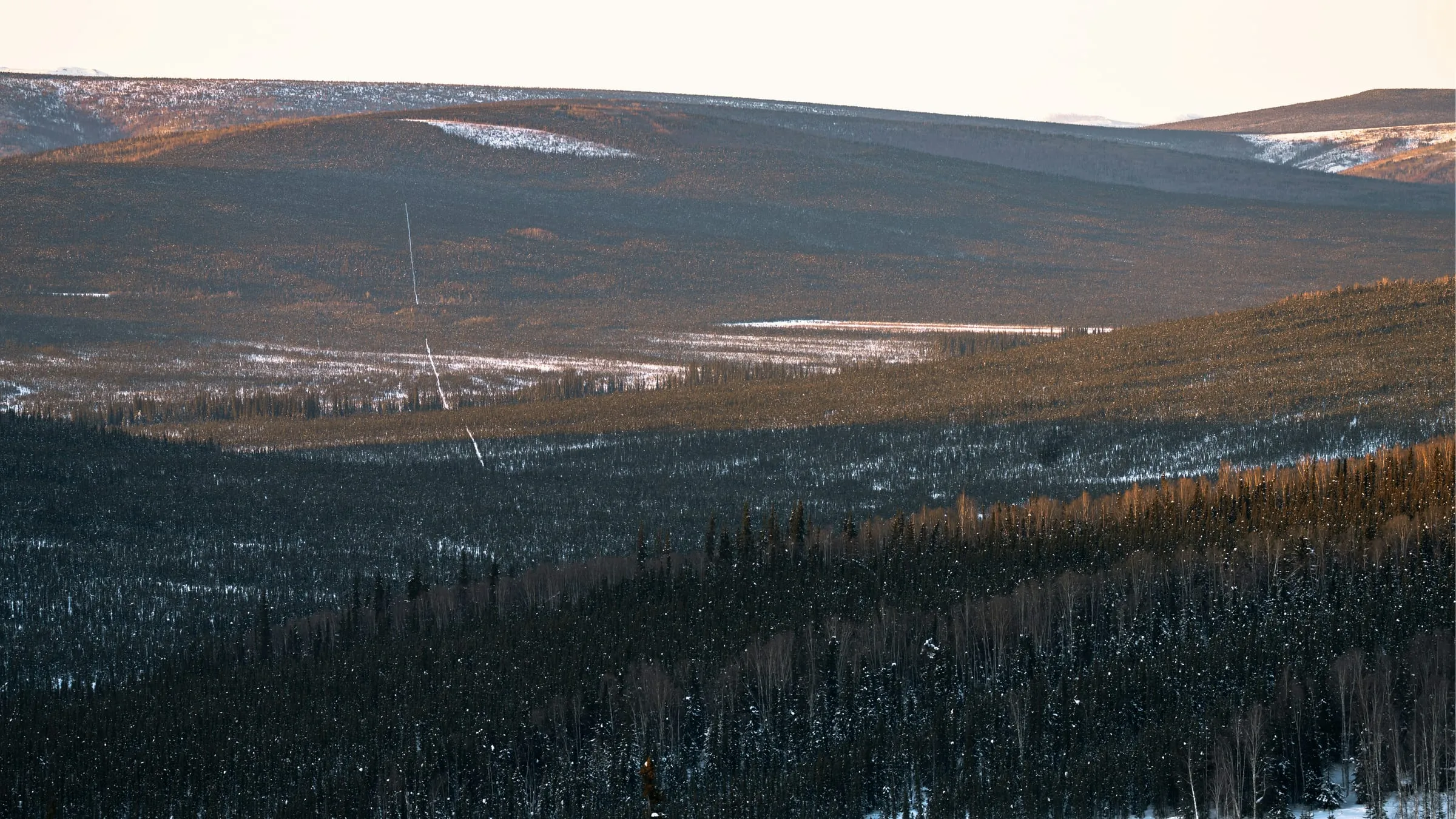
Fairbanks is the rare destination that delivers exactly what the brochures promise — and rewards travelers who understand why it delivers. It’s the canonical aurora city not because of clever marketing but because of geography. The auroral oval — the ribbon of geomagnetic activity where the northern lights are most visible — pins itself directly over interior Alaska on most clear winter nights. Fairbanks sits under it. That’s the entire reason you’d come here over Iceland, over Norway, over anywhere else.
Most clients ask me about Fairbanks in one of two contexts: as the anchor of a winter aurora trip, or as a stop on a longer Alaska arc that includes Anchorage and the Inside Passage. The right way to plan it depends on which one you’re doing — and on whether you want the city to be a list of cold-weather activities or a serious aurora-viewing setup with the activities arranged around it.
Here’s how I think about it.
At a Glance
| Best time to visit | Late February through mid-March is the goldilocks window — strong aurora activity, dark nights, tolerable temperatures, daylight long enough for daytime adventures. November through January is colder and darker (genuinely brutal cold by January). October and April are shoulder months — viable but with weaker viewing math. Avoid May–August unless you’re doing Fairbanks as part of a summer Alaska arc; aurora is invisible during the white-night season. |
| How long to stay | Four nights minimum if Fairbanks is your aurora destination. Three works but is a coin flip on weather; two is a vacation with a hope attached. Five or six nights — split between in-town and a Chena Hot Springs base — is the version that earns the trip. |
| How to get there | Fairbanks International Airport (FAI) has direct service from Seattle, Anchorage, and seasonally from Minneapolis and Chicago via Alaska and Delta. From most US cities, it’s a one-stop flight via Seattle. The airport is small and fast — typical hotel transfer is 15 minutes. |
| Currency / language | US dollar. English. Service workers across town are accustomed to international travelers, especially Japanese and German aurora chasers — Fairbanks tourism leans hard on the aurora market. |
| One thing most guides won’t tell you | The cold is dry, not wet. Interior Alaska sits well-removed from coastal weather systems, so the cold reads differently than wet Northeast cold of the same temperature. Properly layered, you can be outside at -20°F for an hour at a time without being miserable. The right gear isn’t optional — see How to Pack for -20°F — but with it, the cold is manageable. |
Why I Send Travelers Here
Because the aurora math is the aurora math. Fairbanks sits under the densest part of the auroral oval, the city has the dark-sky access aurora viewing requires, and the surrounding interior has been doing aurora tourism since the 1980s — which means the operator infrastructure is mature in a way it isn’t anywhere else in North America. The Geophysical Institute at the University of Alaska Fairbanks publishes the aurora forecasts the world’s chasers use; their offices are a fifteen-minute drive from downtown.
I send travelers here for the trip that makes everywhere else they’ve chased the lights make sense. Iceland is beautiful and the aurora is occasionally visible from there, but Fairbanks is where the math says you’ll actually see what you came for. I send first-time aurora travelers who want to know they didn’t waste the trip. I send couples who’ve talked about the lights for years and finally have the calendar window to do them right. I send seasoned travelers who’ve seen the aurora in Norway or Sweden and want the version where the lights are directly overhead rather than dancing along the horizon.
Fairbanks is a city I’m protective of on behalf of my clients — because the lazy version of an aurora trip (one night, hope for the best, hotel parking-lot viewing) leaves most of what makes the destination good on the table. Every recommendation below is anchored in direct relationships with the operators we trust on the ground, the hotel relationships I rely on, and a clear point of view about what Fairbanks does well and what it does for the bus crowd.
In March 2027, my colleague Liz Walton and I are running a hosted small-group trip out of Fairbanks — fourteen travelers, six nights, the whole architecture covered in this guide built into one trip. If aurora is the reason you’re here, that trip is built for you.
Where I’d Anchor
Two anchors cover almost any traveler’s reason for being in Fairbanks. You should plan to use both.
SpringHill Suites Fairbanks (downtown). The standard anchor for the in-town nights. It’s a Marriott property — clean, predictable, walkable to downtown shops and the Chena River — but the reason it’s the right call for aurora travelers is the aurora wake-up call. The hotel monitors the sky and rings rooms when the activity is strong, regardless of the hour. That single piece of operational thinking is the difference between sleeping through the show and being out on the deck for it. The shuttle to and from the airport is included, the rooms are equipped for sub-zero (proper heat, blackout curtains for catching daytime sleep after a 3 AM aurora viewing), and the location lets you walk to dinner downtown rather than committing to a transfer for everything.
Chena Hot Springs Resort (60 miles northeast of Fairbanks). The second anchor, and the more important one for aurora viewing. Chena is the only major Alaskan resort whose property sits directly under the densest part of the auroral oval — meaning the lights frequently appear directly overhead while you’re soaking in the hot springs themselves. The full property guide lives here →︎; for now, know that two nights at Chena is the right pairing with three nights downtown. You don’t pick one. You use both.
A Taste of Alaska Lodge (boutique alternative for solo or small-group travelers). A B&B-style log lodge ten miles outside Fairbanks, eight rooms, family-run, panoramic views from the back deck. Better aurora viewing than the downtown hotels (less light pollution), more character than the Marriott. The trade-off: no aurora wake-up service, no shuttle, smaller bathroom and dining setup than chain hotels. The right call for travelers who want the lodge feel and are comfortable making their own way around.
Pike’s Waterfront Lodge (mid-tier river-view alternative). On the Chena River with gas fireplaces in the rooms and the river-frontage view — slightly more atmospheric than the SpringHill, with a steakhouse on property. A reasonable substitution if SpringHill is sold out (which happens during peak aurora weeks).
The honest line on Fairbanks hotels: this isn’t a luxury-hotel city, and that’s part of why the trip is good. You came for the sky, not the marble lobby. The bar across the major properties is “clean, warm, well-located, equipped for aurora travelers.” Nothing here is going to feel like the Hotel Sacher or the Aman Tokyo, and pretending otherwise would do you a disservice. Pick the property whose operational match is best for the kind of trip you’re running, not the property with the prettiest lobby photo.
For the March 2027 hosted trip, Liz and I anchor at SpringHill Suites for the three downtown nights — for the aurora wake-up service, the location, and the consistency of the operational standard.
What I’d Do With Three or Four Days
This is the canonical Fairbanks aurora arc, refined for the traveler who wants the sky and the city, with flexibility for the aurora pace. The three-day version compresses; the four-day version is the right rhythm. Plan for weather and aurora activity to dictate the hour-by-hour schedule — flexibility is the operational key.
Day One — Arrive, Acclimate, First Sky
Arrive on an afternoon flight (most connections land by 3 p.m. local). Check in to SpringHill Suites downtown, eat something light and quick, then head immediately to the Morris Thompson Cultural & Visitor Center — the free exhibits on Alaska Native peoples and the interior ecosystem are the orientation most travelers skip and later regret skipping. The Antler Arch photo op outside is the local tradition; do it. Pick up the aurora certificate — genuine small ceremony, small touch, genuinely part of the memory.
Dinner downtown at The Crepery (light, casual, reliable) or Lavelle’s Bistro (sit-down-serious, the city’s best restaurant, book ahead if possible). Early to bed is non-negotiable — the time change hits tomorrow and your sleep-schedule matters for the aurora nights ahead. Set the hotel’s wake-up-call for aurora activity (the SpringHill offers this service; if at another hotel, download the Geophysical Institute aurora app and set phone notifications).
This is preparation day. You’re acclimating, you’re learning the city geography, you’re setting expectations. The aurora may or may not show tonight; the setup is what matters.
Day Two — Activity Day and First Aurora Viewing
Morning snowmobiling (the canonical day-two activity) — Snowhook Adventure Guides or Chena Outdoor Collective run full-day excursions through the boreal forest. All gear provided, no experience required. The morning departs 8 a.m., returns by 1 p.m. Lunch back at the hotel (essential recovery time). Afternoon spent downtown or at the Antler Art galleries (Fairbanks has a small but real working-artist community and the galleries are worth an hour).
Dinner with intention — Pump House Restaurant & Saloon (the historic gold-rush building turned riverfront restaurant, the Alaskan menu that earns the region) or Lavelle’s again if it’s that good.
First dedicated aurora viewing — this is the turning point. Weather-dependent, but typically a heated-yurt setup at Cleary Summit, Murphy Dome, or Chena River State Recreation Area — all well clear of city light, all with professional aurora guides. The viewing session runs until the sky quiets (expect 11 p.m. to 3 a.m., sometimes longer). The experience is sitting in quiet darkness, waiting, watching. Most travelers describe it as meditative. Some see the lights right away; some wait two hours. Come prepared for the dark and the cold and for the fact that the aurora doesn’t perform on command.
Return to hotel by 3–4 a.m. Sleep until breakfast-time the next morning.
Day Three — Dog Sledding and the Chena Transition
Late breakfast (you’ve earned it). Dog-sledding excursion at a working sled-dog kennel — Sled Dog Central or local operators — meet the mushers and the dogs, understand the operation, then the run itself through forest trails (2–3 hours). Lunch at the kennel or back in downtown Fairbanks.
Afternoon transfer to Chena Hot Springs Resort (60 miles northeast, 90 minutes drive). Check in for two nights — this is the operational pivot. Chena is where the aurora math changes: the resort sits directly under the densest part of the auroral oval, meaning the lights frequently appear directly overhead rather than on the horizon.
Dinner at Chena (the resort operates restaurants). Soak in the hot springs until midnight if the aurora is active (106°F water, the sky performing directly above, the experience is genuinely unwriteable). The passive viewing from the property is often sufficient; if conditions are strong, the resort runs snowcat tours up Charlie Dome for 360° viewing in heated yurts. Late night or not, sleep at Chena.
Day Four — Ice Museum and Departure
Late breakfast. Aurora Ice Museum tour on the Chena property (the largest year-round ice environment in the world, kept at 25°F by a patented absorption chiller — chandeliers carved from ice, an ice bar serving Appletinis in ice glasses, 90 minutes of genuine novelty). Afternoon snowshoe walk through the woods around Chena, or a final soak in the springs.
Afternoon drive back toward Fairbanks with an optional stop in North Pole, Alaska (yes, that North Pole — Christmas-lit year-round, the absurdist Alaskan experience, genuinely worth 30 minutes), and if timing allows, the Running Reindeer Ranch (a short walk through woods with a small reindeer herd — calm animals, low-key, part of the interior-Alaska texture).
Farewell dinner in Fairbanks downtown if flying out late evening. Final aurora viewing for those with late departures and energy remaining.
This is the four-day arc Liz and I built into the March 2027 hosted trip — extended by one additional night and run with a Sprinter shuttle, a guide, and two hosts managing the coordination. Self-booking requires you to orchestrate the operators separately (Snowhook, Chena, the kennel operators, Cleary Summit guides). If coordination is the blocker, the hosted version exists for exactly that reason.
A three-day compressed version: Arrive Day One afternoon, snowmobile Day Two morning, first aurora Day Two evening, dog sled Day Three morning, Chena + second aurora Day Three evening, depart Day Four morning. The math is tighter but realistic.
Specific Things I’d Recommend
For aurora viewing locations — the four canonical spots, by quality of viewing:
- Chena Hot Springs Resort property — best of best, viewing while soaking, often directly overhead.
- Cleary Summit — high-elevation viewing site about 20 miles north of Fairbanks, popular with serious chasers.
- Murphy Dome — alternative high-elevation site, slightly less popular than Cleary Summit so often less crowded.
- Chena River State Recreation Area — large open expanse east of town, easy access, fine viewing math.
Avoid hotel-parking-lot viewing as your only plan. The lights are sometimes visible from town, but the city light dome washes out anything other than the strongest displays.
For restaurants downtown:
- The Crepery — savory and sweet crêpes, casual, reliable for a fast meal.
- Lavelle’s Bistro — the city’s serious sit-down dinner, French-influenced, the right call for an anniversary or a celebration meal.
- Pump House Restaurant & Saloon — historic gold-rush-era building turned riverfront restaurant, proper Alaskan menu (king crab, halibut, reindeer sausage), the tourist favorite that’s actually good.
- Cookie Jar Restaurant — an Anchorage cult favorite that has a Fairbanks outpost; the right call for breakfast after a 3 AM aurora viewing.
For one tourist activity worth doing:
- The Museum of the North at the University of Alaska Fairbanks — Alaska Native cultures, 2,000 years of Alaska art, the natural history of the interior. Most aurora trips skip this; most aurora travelers regret skipping it. A half-day at minimum.
For the canonical aurora resource:
- The Geophysical Institute aurora forecast at gi.alaska.edu/monitors/aurora-forecast. The world’s reference for aurora forecasting, published by the institute that does the science — based at UAF, twenty minutes from your hotel. Check it daily during your trip.
What I’d Skip
The El Dorado Gold Mine tourist setup. Heavy gold-rush kitsch, not what aurora travelers come for, eats a half-day. Skip unless you’re traveling with kids who specifically want the gold-panning experience.
The Riverboat Discovery sternwheeler tour. A summer-only operation; not relevant for aurora travelers anyway.
Most of the “aurora photography classes” sold as standalone experiences. They’re marketed as expert instruction but typically run by operators whose primary business is something else. If you want to learn aurora photography, do the research before you fly and bring a wide-aperture lens and tripod; the on-the-ground classes are usually disappointing.
Multi-night packages from operators you’ve never heard of. Fairbanks is small; there are about a dozen serious operators and a long tail of small ones who run a few nights a season. If a package looks too cheap, the gap between what’s advertised and what’s delivered is usually where the savings hide.
For Aurora Travelers Specifically
A few things that matter only if aurora is the reason you’re here:
Three or more nights is the math. One night in Fairbanks during March puts you at roughly 60-70% probability of strong aurora viewing; three nights pushes you to 90%+. The longer you stay, the more the math works in your favor. Two nights as your only window is a coin flip.
Late February through mid-March is the sweet spot. Equinox-period geomagnetic effects, longer dark windows, tolerable temperatures, daytime activities still doable. October and April are viable but weaker on most of those variables.
The Chena Hot Springs property does most of the heavy lifting. If you only have time for one specific recommendation, build two nights at Chena into the trip. The math on that single decision is bigger than any other choice you’ll make.
Aurora wake-up calls matter. If your hotel doesn’t offer one, get a phone alarm app that syncs to the Geophysical Institute forecast. The strongest viewing windows often happen between 11 PM and 3 AM; being asleep when the sky is showing is the most preventable mistake on the trip.
From the Journal
- Why We’re Going to Alaska in March (And Why You Should Come) — the pillar post on the March 2027 hosted trip.
- Aurora 101: What the Northern Lights Actually Are (and How to See Them) — the longer version of the geography and science.
- How to Pack for -20°F (And Actually Enjoy It) — the canonical packing brief.
- Why a Hosted Small Group Beats a Big Tour for Alaska — the comparison on how to choose between self-book, big tour, and small hosted group.
Plan With Me
If a Fairbanks aurora trip belongs on your calendar, I plan them — both as bespoke independent trips and as the hosted small-group version Liz and I are running March 8-13, 2027. The hosted trip is fourteen travelers, two hosts on the ground, full itinerary, all transfers and gratuities included, $3,950 double / $4,550 single.
If the hosted dates don’t work but Fairbanks does, start a discovery call — I’ll quote the bespoke version and route you to the right operator partners on the ground.
Book your free discovery call →︎
Plan this trip with me.
A 30-minute discovery call is where it starts. No fee, no pressure.
Book a Discovery Call