Last updated: September 2026
Alaska is the one American destination where the planning math is genuinely different. The state is two and a half times the size of Texas, most of it has no road, and the daylight swings from around twenty-two hours at midsummer in Fairbanks to under four at the winter solstice. Season, region, and the boat or plane that gets you there matter far more than which town you sleep in. That is why Alaska gets an overview of its own here, sitting above the city guides rather than beside them.
This page is the map. The depth lives one level down — Fairbanks, Anchorage, Juneau, Sitka, Skagway, Glacier Bay, Chena Hot Springs, and the Alaska extensions framework for the trip after the trip.
At a Glance
| Best time to visit | Depends entirely on what you came for. Summer Alaska — the Inside Passage, Denali, the Kenai — runs mid-May through mid-September, with June to August the peak and the two shoulder months quieter and cheaper. Aurora Alaska is the opposite calendar: late August through mid-April, with late February and March the sweet spot of dark skies and survivable cold. There is no month that does both well. |
| How long to stay | Seven nights covers one region properly — a small-ship week in Southeast, or Fairbanks plus Chena for the aurora. Ten to fourteen nights lets you pair the coast with the interior by rail. Anything shorter than a week in summer means you’ll spend a third of it in transit. |
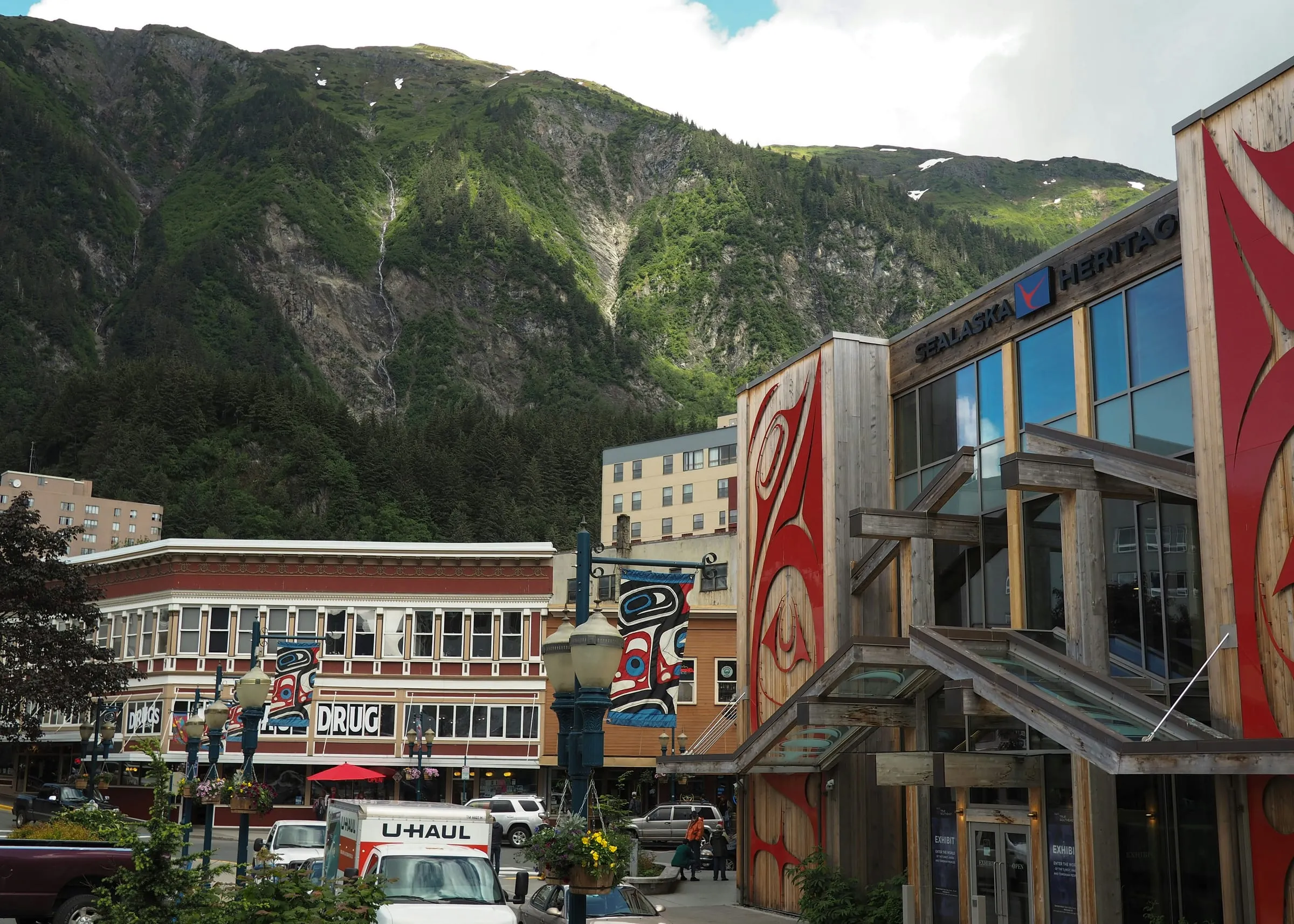
| How to get there | Anchorage (ANC) is the main gateway, with nonstops from most large U.S. hubs in summer. Fairbanks (FAI) and Juneau (JNU) connect through Seattle or Anchorage; Alaska Airlines does most of the lifting. Juneau has no road in — you arrive by air or by water, which is the first clue about how Southeast works. |
| Currency / language | U.S. dollar, English. Tipping and prices behave like the Lower 48 with a remoteness premium on almost everything, fuel and fresh produce most of all. |
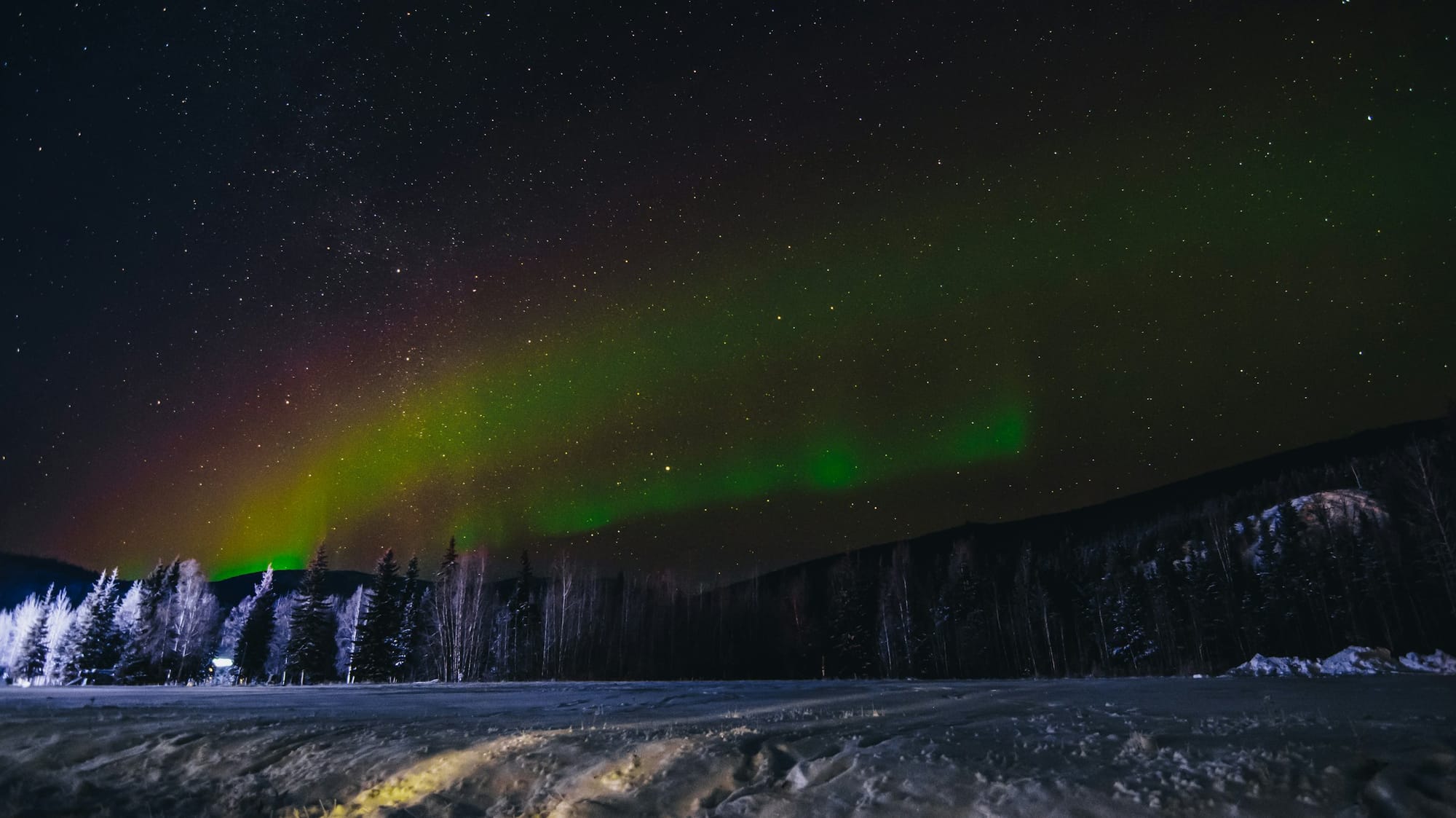
| One thing most guides won’t tell you | Plan around the daylight, not against it. In June the sky never really goes dark, which is wonderful for a nine o’clock hike and useless for the northern lights. In March the days are already twelve hours long and the nights are still black — that pairing is why the aurora trips cluster there. |
Why I Send Travelers Here
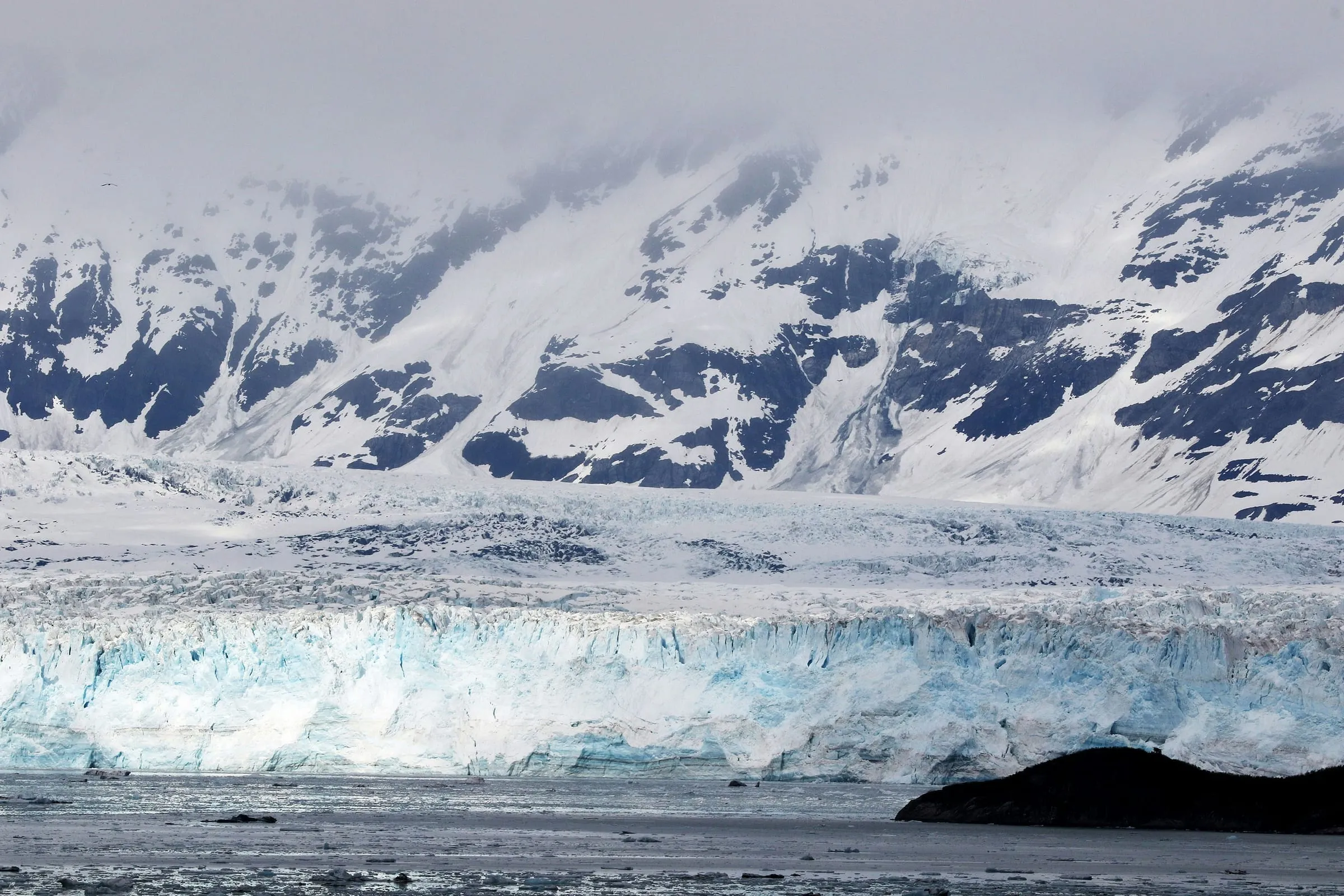
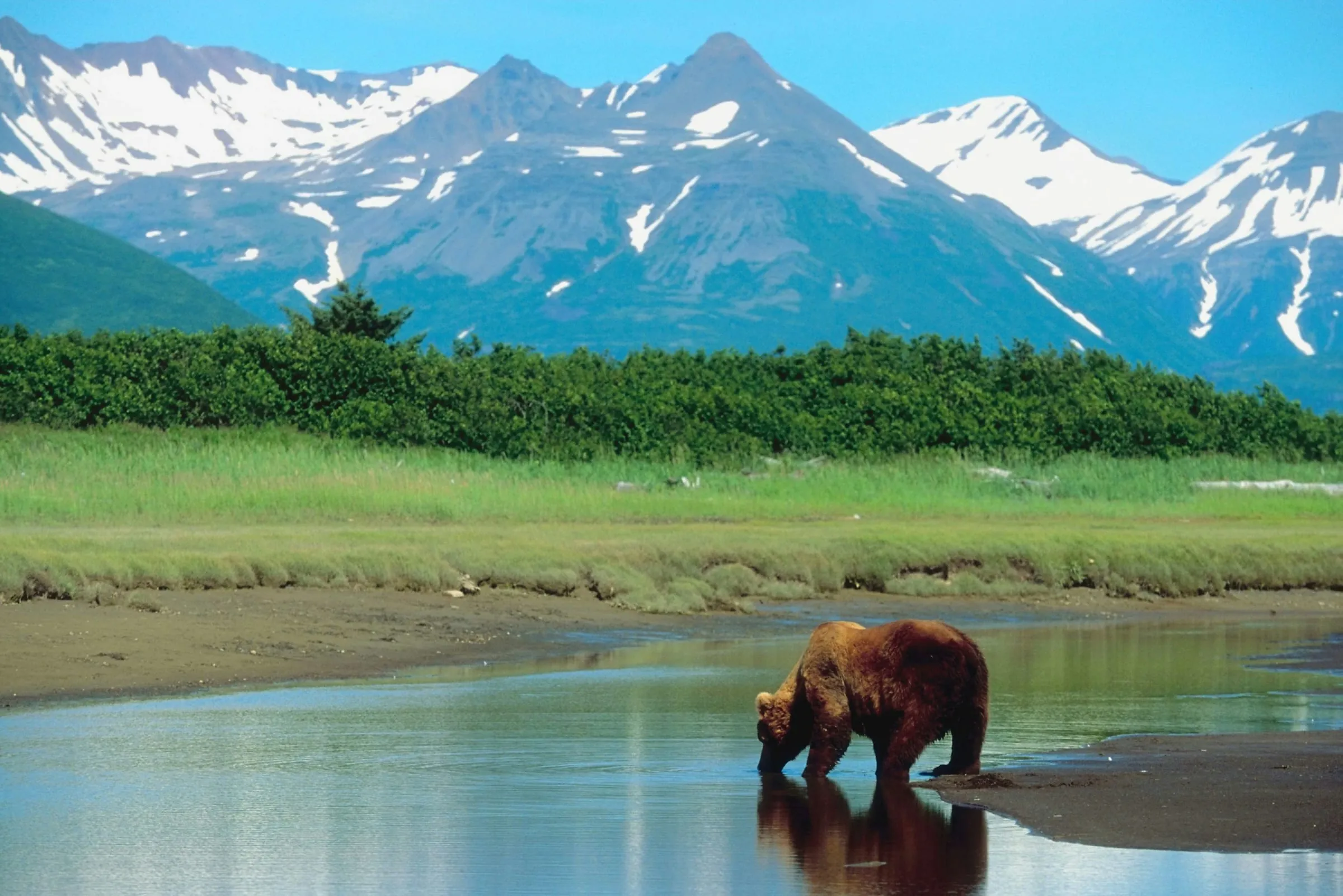
Because it is the wild-places trip most Americans can reach in a single week, without a passport, and it still feels like the far end of the earth. Wild Places & Luxury Lodges is how I think about the category, and Alaska is its domestic anchor: tidewater glaciers you can kayak beneath, humpbacks feeding in a fjord with no other boat in it, a lodge where the bush plane is the driveway.
I send couples who have done Europe and want a landscape instead of a city. I send families with teenagers who need the day to have a verb in it. I send first-time aurora chasers who want the trip to work the first time, and I send small-ship converts who found out on one sailing that they never want to see a cruise-ship buffet again. The state has a version for each of them; the mistake is trying to see all of them in one go.
How the State Divides
Alaska is really three trips wearing one name.
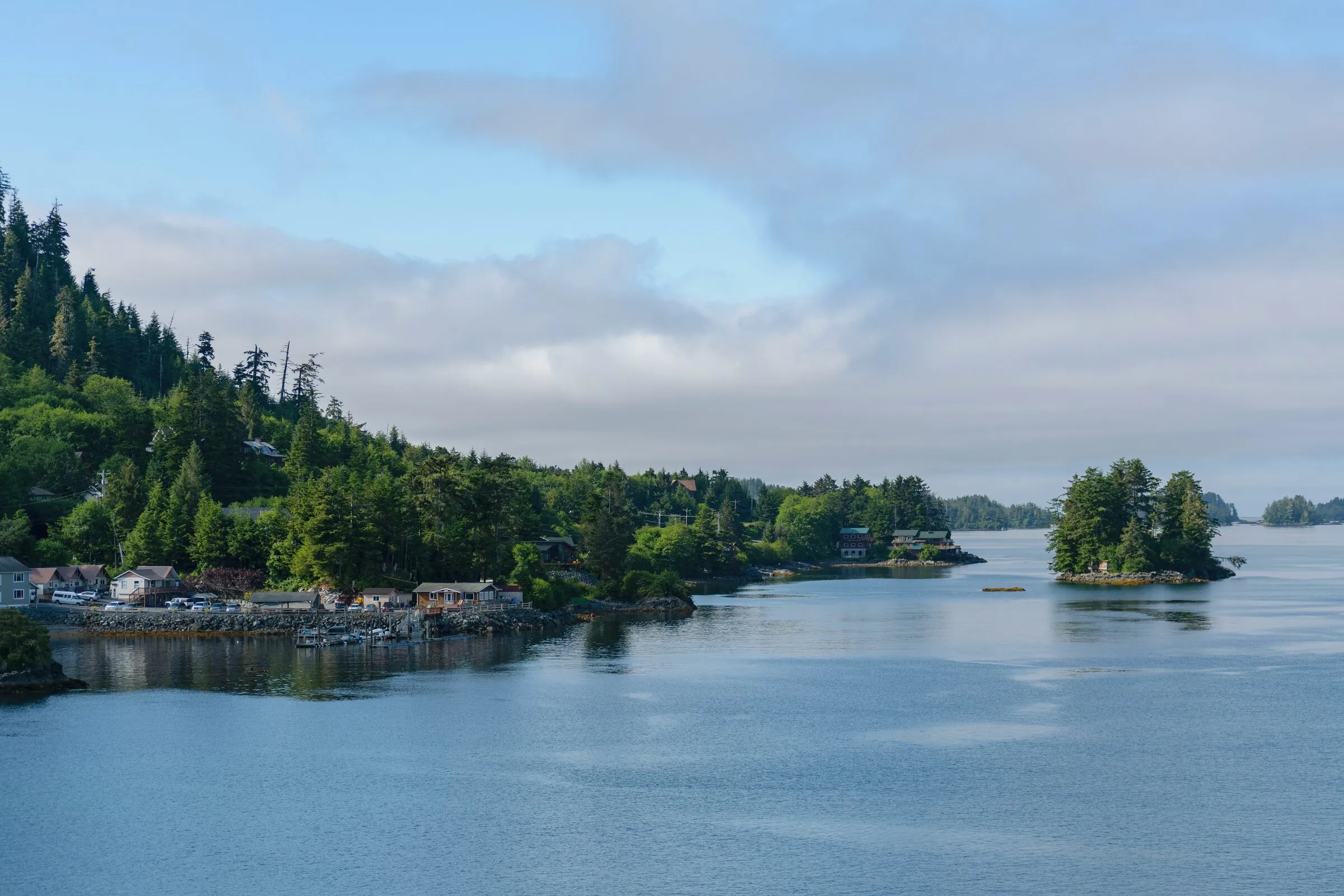
Southeast — the Inside Passage. Juneau, Sitka, Skagway, Ketchikan, Glacier Bay, and the protected water between them. This is the Alaska of glaciers and whales and Tlingit villages, and it is a boat trip, full stop — the towns are not connected by road. You do it on a big ship for the resort-at-sea version, or on a small expedition vessel that anchors overnight inside Glacier Bay and puts you in a kayak along the ice. UnCruise is the operator I’d start with for that second version, and which of their ships suits you is its own question. Season: May through September.
Southcentral — Anchorage and the Kenai. Anchorage is the gateway, not the destination; its job is to get you to Seward, Homer, Prince William Sound, and the Alaska Railroad. This is the drivable Alaska — glacier day-cruises, fishing lodges, the road to Denali — and the right base for a family that wants a car and a schedule they control. Season: late May through September.
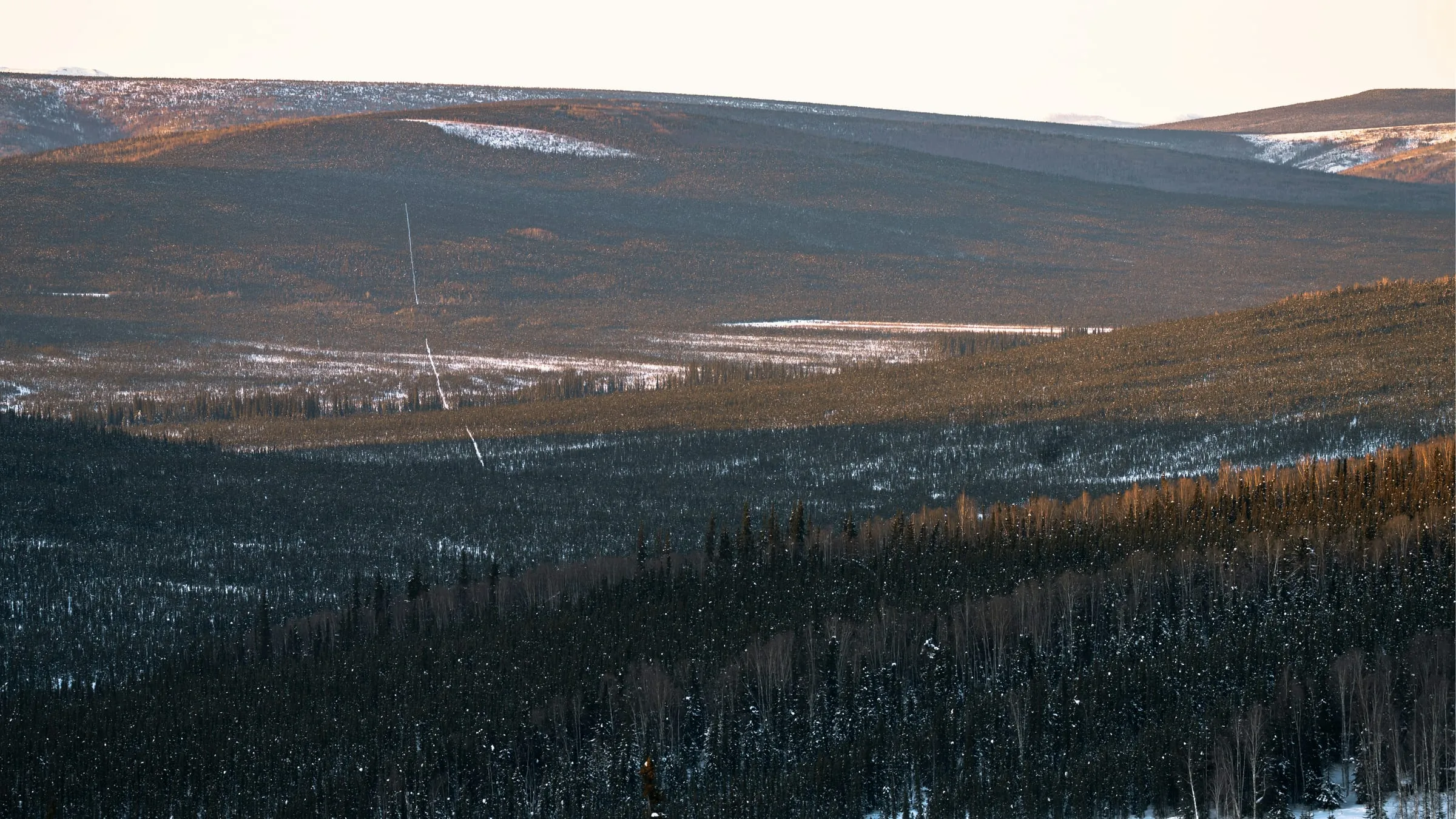
Interior — Fairbanks and Denali. Fairbanks sits under the auroral oval, which is why the northern-lights trips live there and why Chena Hot Springs is the most important reservation on any serious aurora itinerary. In summer the same city is the northern end of the rail line and the jumping-off point for Denali. It is the only region with two real seasons — and they are opposite ones.
How I’d Build It
The classic summer arc, ten to twelve nights. Fly into Anchorage, ride the Alaska Railroad north to Denali for two nights, continue to Fairbanks for a night, fly to Juneau, and finish with a seven-night small-ship week through Southeast. You see the interior, the mountain, and the coast, and you are never doubling back.
The aurora week, six nights. Fairbanks in late February or March: three nights in town for the museums, the dog mushing, and the ice art, then three at Chena with the lights overhead from the hot springs. The Fairbanks guide lays out the architecture, and Aurora 101 explains the lights.
The small-ship week, seven nights. Juneau in and out, or Juneau to Sitka, on an expedition vessel of twenty-two to eighty-six guests. Two full days inside Glacier Bay, skiff and kayak every day, no ports to speak of. If Alaska means ice and wildlife to you and not shopping, this is the version — here’s my full case for it.
The trip after the trip. Aurora travelers almost always ask what summer Alaska looks like before they’ve even flown home. The Alaska extensions guide answers that — and explains why the honest answer is usually a separate return rather than a bolt-on.
What I’d Skip
Trying to do winter and summer in one itinerary. Denali’s road and lodges are summer-only; the small ships tie up for the winter. A March trip with a Southeast cruise attached does not exist, whatever a search engine suggests.
Treating Anchorage as the destination. A night on either end is right. Three nights is a week of Alaska you didn’t see.
The one-night aurora gamble. The lights need dark skies and clear ones, and you cannot order the second. Three nights is a coin flip; four or more is a plan. Aurora 101 has the math.
The big-ship Alaska cruise for a Glacier Bay trip. The National Park Service caps the bay at two cruise ships a day, and those ships pass through in a single day without anyone stepping off. If the glacier is the point, book the vessel that anchors there.
From the Journal
- Aurora 101 — how to actually see the northern lights
- Alaska small ship — which one is right for you
- Is UnCruise Adventures worth it?
- Packing for an Alaska winter
Plan This Trip With Me
Tell me which Alaska you’re picturing — the ice, the lights, the mountain, or all three eventually — and who’s coming. Thirty minutes is enough to pick the season and the region, and everything else follows from those two decisions. Start with a discovery call.