There’s a fundamental difference between a group tour package and a hosted group trip. One is a product. The other is something Liz and I are building together — and we’re betting our credibility on whether it works.
A tour operator sells you seats on a bus. A hosted group is advisors in the room making decisions in real time. That distinction changes everything.
The Tour Package Model
Tour companies are in the business of filling seats. They block hotel rooms months in advance, negotiate group rates, and then sell you the availability — the dates, the property, the itinerary. You’re one of many groups rotating through a fixed product. The margins are small, so the operation is efficient and distant. You pay, you get on the bus, you follow the schedule. The tour director is managed labor. The experience is reliable because it’s repeatable.
There’s nothing wrong with that model if repeatable suits you. But it’s not what we’re doing.
What Hosted Actually Means
When I co-host a group trip with Liz Walton — who runs Red Suitcase Journeys, my host agency, and who is a co-host in every real sense of the word — we’re not selling you seats. We’re asking: What is this trip for? What’s the one thing people are coming for? And then we design everything else around whether that one thing actually happens.
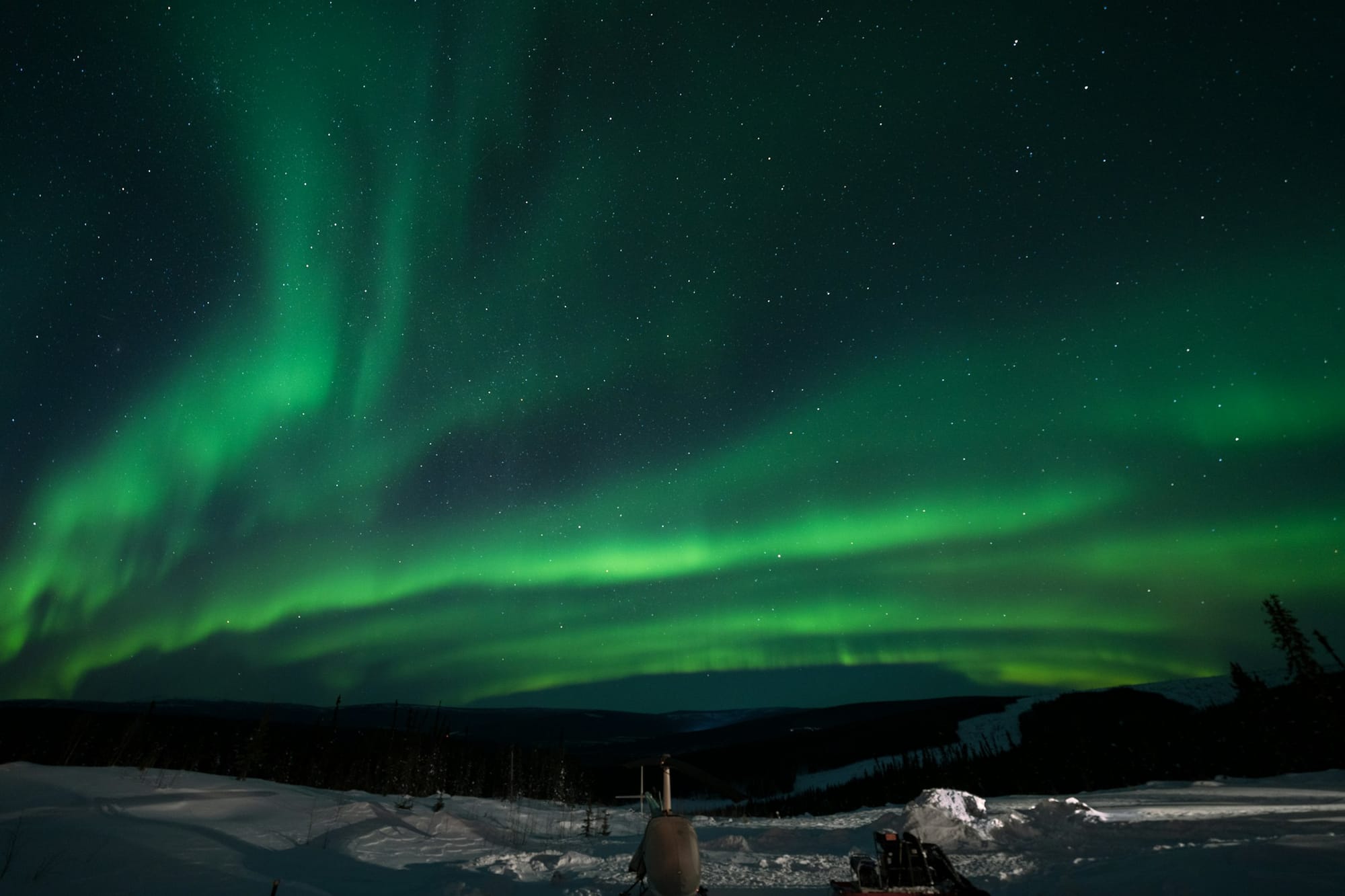
For Northern Lights Alaska in March 2027, the thing is the aurora. That becomes the center of every decision.
It means we’re both there — on the ground, the whole time, checking the forecast, moving vehicles if the aurora is better thirty miles north tonight, pushing dinner earlier or later depending on what the sky is doing. It means calling the property at 2am because the lights just started and asking if anyone wants to go outside. It means that if conditions aren’t right for the aurora, we’re not checking the box — we’re figuring out what to do about it together.
That’s not something a tour operator can do. The margins aren’t there. The accountability isn’t there. The person running the trip doesn’t care the way we do.
The Size Question
Hosted groups have to be small — under 20 people. That’s not a constraint; it’s the whole thing.
Small means private transfers. You’re not getting on a bus with forty people from four different hotels. You’re traveling together in a couple of vehicles, which means the group actually knows each other by the time you’re on your third day.
Small means access. There are properties and experiences you simply cannot do at scale. A private dinner with an aurora guide. A bush plane landing on a frozen lake. A night at a remote cabin where UnCruise keeps a station. Those don’t work with a tour group. They work when you’re six people and the advisor knows the operator personally.
Small means flexibility. If half the group wants to wake up at 2am for the lights and the other half wants to sleep, that’s fine. We’re not running on the tour schedule; we’re running on the aurora schedule. We’re not managing a fixed itinerary; we’re protecting the space for the one thing that matters.
Why Co-Hosting Works
Liz knows Alaska by heart. She’s been sending clients to the Kenai Peninsula for years. She knows the operators, the properties, the rhythms of the season. She moves through that landscape with confidence because she’s earned the relationships.
I bring the logistics. The pre-trip management. The invisible coordination — every property called in advance, every meal confirmed, every vendor briefed on the group’s needs. The in-trip responsiveness: if something needs to move, I’m the person figuring out how to move it without anyone noticing.
Two advisors. One group. Shared accountability.
That’s why it works.
Northern Lights Alaska: March 2027
Here’s the specific case. March is aurora season — the nights are long enough, the forecasts are reliable, and the ground conditions are stable. Fairbanks sits at 65 degrees north. The chances of seeing the lights are genuinely good.
We block out a small group — under 20 people. We anchor you at a property that’s positioned for aurora viewing and has the nimbleness to hold dinner until the lights show up. We work with UnCruise’s wilderness station network so that if conditions are better farther north or in a remote location, we have that option. We brief every vendor on the purpose of the trip: everyone on this group cares about whether you actually see the aurora.
You’re not on a tour. You’re on Liz’s Alaska trip. The one she’s been teaching me how to do for years. The one we’re both going to be there for.
What Happens After
Here’s what I’ve noticed about groups I’ve hosted: they don’t end when you get home.
The group chat keeps going. The photos keep surfacing. Someone finds a song that reminds them of a moment, and suddenly the whole group is remembering it together six months later. The trip becomes shorthand — the way you reference how you felt, the people who got it, the night everything lit up.
That’s not what “package tour experience” feels like. That’s what Erik’s group feels like. That’s what Liz’s Alaska feels like.
I’m not selling you a hosted group trip because I want to fill a bus. I’m inviting you on one because once you’ve had that experience — the small group that actually knows each other, the advisor who’s there the whole time, the trip that’s built around the one thing you came for — you’ll understand why the model exists.
And you’ll keep texting about it.
Ready to join Northern Lights Alaska March 2027? The group is under 20 people. Liz and I are both going. Book your place on the Alaska trip.
For the broader case on hosted and celebration travel, Groups & Celebrations is the canonical version.
Plan your trip with me.
A 30-minute discovery call is where it starts. No fee, no pressure.
Book a Discovery Call