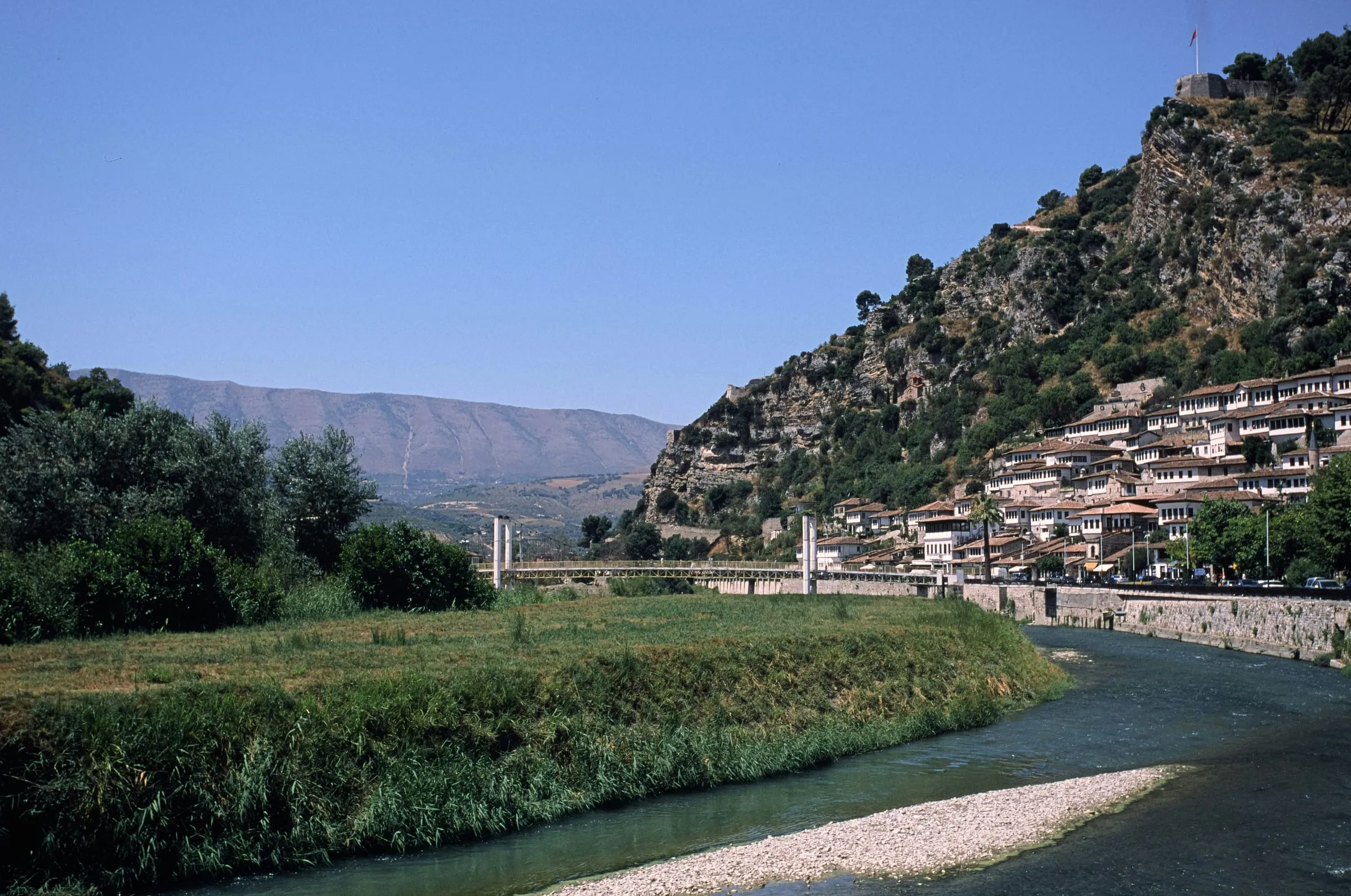
The first time you see the Douro Valley terraces, you feel it in your chest. Thousands of stone walls carved by hand into hillsides, stacked for centuries, holding back earth so vines can grow. From a distance, the terraces create patterns—almost graphic, almost impossible. Up close, they’re evidence of intention. Every wall was built by someone, for grapes, for wine, for survival.
The Douro River runs through it all—a deep green ribbon that the region uses for both travel and meaning. You can cruise the river upriver from Porto. You can sit at a quinta (wine estate) and watch the light move across the terraces. You can eat meals in villages where the primary resource is wine and the secondary is patience.
I send wine travelers here. I send couples here who want landscape with meaning. I send people who’ve had memorable vineyard experiences elsewhere and want to understand the roots—literally and figuratively—of that magic. The Douro is not about postcard moments. It’s about understanding how wine and place become inseparable.
At a Glance
| Aspect | Details |
|---|---|
| When to Go | September–October (harvest season, most alive, weather perfect); May–June (spring, vines budding, fewer crowds); November–March (quieter, cooler, wine tastings focused, some estates closed mid-winter) |
| How Long | 3–4 days minimum for wine-focused visit; 5–7 days if combining with Porto or Lisbon; 7+ days for deep wine and hiking immersion |
| Getting There | Porto (2 hours by car into valley, or train to Pinhão then taxi/transfer); flights into Porto, train connection to Douro region |
| Getting Around | Car rental (if comfortable driving mountain roads), organized wine tours, river cruise access, local transfers arranged by estates |
| Language | Portuguese (primary); English widely spoken in wine estates and upscale restaurants; French sometimes useful |
| Altitude | Valley floor ~100m; vineyard elevations 300–600m; ridgetop villages 700m+ |
| Best For | Wine travelers, couples, photographers, food-focused travelers, river cruise passengers, anyone seeking authentic Portugal away from Lisbon/Algarve |
| Skip If | Wine is not your interest or you need nightlife-focused activity (Porto has it; the valley does not) |
Why I Send Travelers Here
UNESCO Terraced Landscape as Historical Record The Douro Valley terraces are UNESCO-protected because they represent 2,000 years of human intention on landscape. Roman times, medieval periods, and continuing to present day—the region has been shaped by wine cultivation continuously. Standing in that history feels different than reading about it.
Wine as Place, Not Trophy Port wine is world-famous. But Douro also produces exceptional dry reds and whites that are gaining international recognition. More importantly, the region’s wine story is tied to place—specific soils, specific elevations, specific traditions. Tasting wine in the Douro Valley, at a quinta overlooking the vineyard it came from, is a wholly different experience than tasting it elsewhere.
Authentic Portugal Without Tourist Infrastructure Porto is bustling, vibrant, and touristy. Lisbon is Lisbon. The Douro Valley remains genuinely Portuguese. Villages are small. Restaurants are local. Wine estates are family operations. The tourism is respectful, not invasive. This is how Portugal feels when you leave the major cities.
River Cruise as Lifestyle Experience The Douro River cruises (3–7 days) offer a unique rhythm: board in Porto, float upriver, stop in small villages, tour wine estates, return. It’s slower than driving, more immersive than hotels, and feels genuinely old-fashioned in the best way. Couples often choose this as their Douro entry point.
Food Tied Directly to Landscape The Douro’s food (especially in small restaurants) comes from the region. Locally-raised game, produce from neighboring farms, wine from the vineyards you’re sitting in view of. This is not fusion cuisine or chef interpretation—this is food from place. It changes everything about how you eat.
Couples Infrastructure That Doesn’t Announce Itself Unlike Switzerland’s obvious honeymoon positioning, the Douro Valley’s romance is subtle. Intimate quintas with few rooms, private dining at vineyard restaurants, long afternoons without agenda. Romance here is built into the pace, not into the marketing.
Where I’d Anchor
Six Senses Douro Valley (Lamego Area, Contemporary Luxury)
The newest, most luxurious option—opened 2024, positioned in the Lamego region (eastern Douro Valley). Modern architecture anchored in traditional quinta aesthetic, spa-focused, wine education built into the experience. This is the most “resort” option but executed with genuine care for the region’s character.
On my rate at the property, the amenity layer is real and quiet — calibrated to your dates and the suite category, with wine education, spa treatments, guided vineyard hikes, and private wine tastings built into the program. The specifics get walked through on the discovery call.
Quinta Nova de Nossa Senhora do Carmo (Lamego, Historic Quinta)
A working wine estate open as a guest house (9 rooms)—you’re literally staying at a functioning vineyard. Stone manor house, traditional quinta aesthetic, owned by a Portuguese wine family for generations. This is immersion, not resort experience. Meals are at shared tables, wine is from the estate, the rhythm is agricultural.
On my rate at the property, the amenity layer is real and quiet — and the estate restaurant with wine, vineyard access, and wine-making education are built into the rhythm of staying at a working quinta. The specifics get walked through on the discovery call.
The Vintage House Hotel (Pinhão, Riverfront Converted Manor)
A 19th-century manor converted into a small luxury hotel (51 rooms) directly on the Douro River. Pinhão is the valley’s wine center—closest to the heart of traditional Porto wine production. The hotel offers river views, restaurant focused on regional cuisine, direct access to local quintas.
On my rate at the property, the amenity layer doesn’t book direct — and the wine-pairing restaurant, partnerships with local quintas, and direct river access are part of what staying here actually is. The specifics get walked through on the discovery call.
What I’d Do With 4 Days
Day 1: Porto Arrival + Transition to Valley Arrive in Porto (international airport). If time allows, 2–3 hours exploring Porto’s core (Livraria Lello, Ribeira Old Town, Port wine lodge tours across the river). Overnight in Porto or drive/transfer to valley by afternoon and overnight in Lamego or Pinhão region. Settle evening: dinner at restaurant with views, local wine.
Day 2: Quinta + Wine Education Full day at your anchoring quinta. Morning: vineyard walk (guide-led, understanding terraces, vine varieties, soil). Mid-morning: wine tasting at the quinta (at least 3 wines, paired with local cheese and bread). Lunch at the quinta restaurant (regional food, estate wines). Afternoon: rest, spa if available, or second vineyard walk with different guide. Dinner: at quinta or arranged restaurant in nearby village.
Day 3: River + Village Morning: boat ride on the Douro River (short or long depending on cruise booked). Lunch at a small village restaurant overlooking the river (Regua, Sabrosa, or smaller towns). Afternoon: visit a second quinta or winery in a different area (Cima Corgo vs. Baixo Corgo depending on where you’re based). Return to accommodation by evening.
Day 4: Departure or Extension Morning: last vineyard walk, coffee with views, visit a small village market (if Tuesday-Saturday). Lunch and drive/transfer back to Porto for evening flight, or extend to Day 5–7.
What I’d Do With 7 Days (Deep Douro + Porto Pre/Post)
Days 1–2: Porto Base Arrive, explore Porto—Livraria Lello, Ribeira, Port wine tasting, riverside walks. Sleep at a Porto hotel (Yeatman, if staying in wine-focused hotel; otherwise Memmo Alfama or similar for Old Town vibe).
Days 3–5: Douro Valley Deep Dive Transfer to Quinta Nova or Six Senses. Two full days of wine education, vineyard immersion, hikes, private tastings, multi-quinta visits. Third day: river cruise or stay put depending on preference. Meals built around regional food.
Day 6: Explore Beyond Your Quinta Guided full-day tour to other wine regions within Douro—Cima Corgo (higher altitude, younger vines) vs. Baixo Corgo (historic, traditional). Visit 2–3 different quintas. Longer lunches. Educational tastings.
Day 7: Return to Porto + Departure Transfer back to Porto. Final afternoon exploring (CaixaForum art museum, Torre dos Clérigos, last riverfront meals) before evening flight home.
Specific Things I’d Tell You About
Terraces Are the Landscape
The Douro’s terraces are not decoration—they’re the entire point. These are human-carved stone walls built and maintained for centuries to hold back earth on steep slopes so vines can grow. Modern technology makes new terraces, but traditional ones are still maintained by hand. Walking among them, you understand why UNESCO protected them. This is both agricultural infrastructure and art.
Harvest Season (September–October) Is the Only Real Time
If you’re visiting for wine education, September–October is non-negotiable. You’ll see harvest, smell fermentation, taste new wines, feel the region’s energy. Winter is quiet, spring is budding, summer is heat. October is perfect—harvest is mostly done, weather is ideal, villages are relaxing after intensity.
The Douro River Cruise Is Not a Gimmick
A 3–7 day river cruise from Porto upriver (or vice versa) is the most immersive way to experience the region. You wake up in different villages, visit quintas from the river, move at a pace that matches the landscape. The cruise companies (Uniworld, AmaWaterways, others) include wine education. This is a legitimate travel choice, not a tourist bypass.
Port Wine Education Is Separate From Regional Wine
Port is a fortified wine (alcohol added mid-fermentation) created in the valley but aged in Porto across the river. It’s sweet, complex, and world-famous. But the Douro also produces dry reds (Touriga Nacional, Touriga Franca blends) and whites that are gaining recognition. Understanding the difference matters. Visit Port lodges in Porto. Taste regional wines in the valley.
Wine Tastings Happen at Specific Times
Quintas keep winemaker hours. Tastings are usually 10am–12pm or 3pm–5pm, by appointment. Don’t assume you can drop by and taste. Arrange in advance. High-season (September–October) books up weeks ahead. Off-season (November–March, except Christmas holidays) is easier.
Pinhão vs. Lamego vs. Regua: Know the Difference
Pinhão (east, heart of old Port production): Most traditional, most concentrated wine-estate tourism, smallest and most village-like. Best for wine enthusiasts. Lamego (west, slightly lower elevation): More amenities, easier access from Porto, more varied quintas. Better for travelers seeking comfort + wine. Regua (mid-valley, larger town): Municipal center, rail connection, more restaurants, less intimate. Good transit point.
Driving Mountain Roads Requires Confidence
If renting a car, the roads into the valley are steep, narrow, and wind significantly. They’re well-maintained but unforgiving. If you’re not comfortable with mountain driving, arrange transfers through your hotel or use organized tours.
Food in the Douro Is Serious and Simple
Meals here are not light. Game (wild boar, partridge), hearty stews, cured meats (presunto), local cheeses, bread. Wine is paired inherently (regional wine, local production). Vegetarian dining is possible but less celebrated. Food is fuel and culture combined—respect both.
Portuguese Hospitality Is Genuine and Quiet
The quinta owners and restaurant staff here are not performing hospitality—they’re practicing it. Conversations happen. You’ll be asked about your travels. Recommendations emerge from actual knowledge, not marketing scripts. This feels different from more touristy destinations.
LGBTQ+ Welcome Is Straightforward But Quiet
Portugal is legally progressive (same-sex marriage legal, no discrimination in hospitality). But the Douro Valley is rural and traditional—you won’t see visible LGBTQ+ community or Pride events. That doesn’t mean unwelcoming. Hotels and quintas treat couples as couples. The region is just quiet culturally.
Photography Obsession Is Justified
The light on the terraces changes hourly. Early morning creates patterns and shadows. Midday is harsh but dramatic. Golden hour (late afternoon) is postcard-perfect. If photography matters, plan your day around light. The landscape is genuinely one of the most photogenic in Europe.
What I’d Skip
Winter (November–March, Except Holiday Season) Some quintas close mid-winter (January–February) for maintenance and planning. Weather is cool and grey. Wine tourism focuses on indoor tastings, not vineyard walks. December and March are fine; January–February is thin.
Douro Valley Without Wine Focus If wine is not your interest, the valley feels slow and single-note. Porto (2 hours away) offers culture, nightlife, diversity. Lisbon is 3+ hours away. The valley rewards wine curiosity. Without it, you might feel bored.
Driving Yourself in Unfamiliar Territory Mountain roads + wine tastings = complicated. Use transfers, organized tours, or hire a driver. Your safety and your ability to actually taste wine (rather than worry about driving) depend on this.
Peak Season Summer (July–August) Without Advance Booking The valley fills with tourists escaping cities. Quintas get crowded, restaurants overflow, roads get congested. It’s still doable but loses intimacy. April–May or September–October are better.
For Wine Travelers
This is the obvious choice: deep wine education, tastings from multiple quintas, understanding of regional terroir, one-on-one conversations with winemakers. Budget for wine (tastings are €10–30 per person, bottles range from €15–100+). Take notes. Ask questions. The Douro’s wine story is learning, not collecting.
For River Cruise Travelers
A Douro River cruise (3–7 days, departing Porto) is the entry point for many travelers. The cruise does the logistics. You float upriver, stop in villages, tour quintas arranged by the cruise, eat regional meals. It’s slower, more immersive, and less logistically complex than booking independently. Book with Uniworld, AmaWaterways, or similar for European luxury river-cruise experience. If you’re weighing the Douro against Europe’s other rivers, I compare them in Douro vs. Rhine vs. Danube; for the French wine-country equivalent, there’s Bordeaux river cruising.
For Couples + Honeymoon
The Douro Valley honeymoon is quiet and sophisticated. Quinta stays (especially Quinta Nova) offer intimacy without resort energy. Long afternoons, shared meals, private vineyard walks, wine-education conversations. This is not dramatic romance (unlike Switzerland)—it’s partnership romance. Understanding wine together, walking terraces together, eating well together. The landscape supports this rather than pushing it.
For Multi-City Iberia Travelers
The Douro pairs naturally with:
- Porto (2 hours by car): Departure/arrival point, cultural contrast, urban energy
- Lisbon (3+ hours by car or train): Capital, museums, food scene, final days before flying home
- Évora or Alentejo (4 hours south): Different Portuguese wine region, inland culture, smaller town vibe
A typical Iberia itinerary: Lisbon (2–3 days) →︎ Porto (1–2 days) →︎ Douro Valley (3–4 days) →︎ return to Lisbon or Porto for flight.
For Food + Wine Travelers
The Douro’s food is inseparable from wine. Meals are long, wines are paired, ingredients are local. A food-focused itinerary might include:
- Market visits (understanding what’s available, seasonal)
- Cooking classes at a quinta or regional restaurant
- Multi-course meals at restaurants listed in Michelin guides (there are a few in Porto and nearby regions)
- Wine pairing dinners at your quinta
- Visits to producers of other regional products (cheese, ham, olive oil)
Plan the Douro Valley With Me
The Douro Valley is for travelers ready to slow down. Wine education is the vehicle, but the real work is learning to pay attention—to terraces, to light, to how grapes become wine, to how food tastes different when it comes from where you are.
I’ll structure a Douro itinerary matched to your wine knowledge (beginner vs. serious), your pace (rushed vs. immersive), the season, and whether you’re combining it with Porto, Lisbon, or other regions. Every meal, every quinta visit, every vineyard walk will be chosen.
If the Douro is calling, let’s talk about how to enter it properly—not as tourists passing through, but as travelers who came here to understand.
Last updated: April 2026 This guide reflects Erik’s understanding of the Douro Valley, current quinta partnerships, and seasonal operations. Wine availability, tasting hours, and amenities are subject to change with harvests and regional events.
Plan this trip with me.
A 30-minute discovery call is where it starts. No fee, no pressure.
Book a Discovery Call