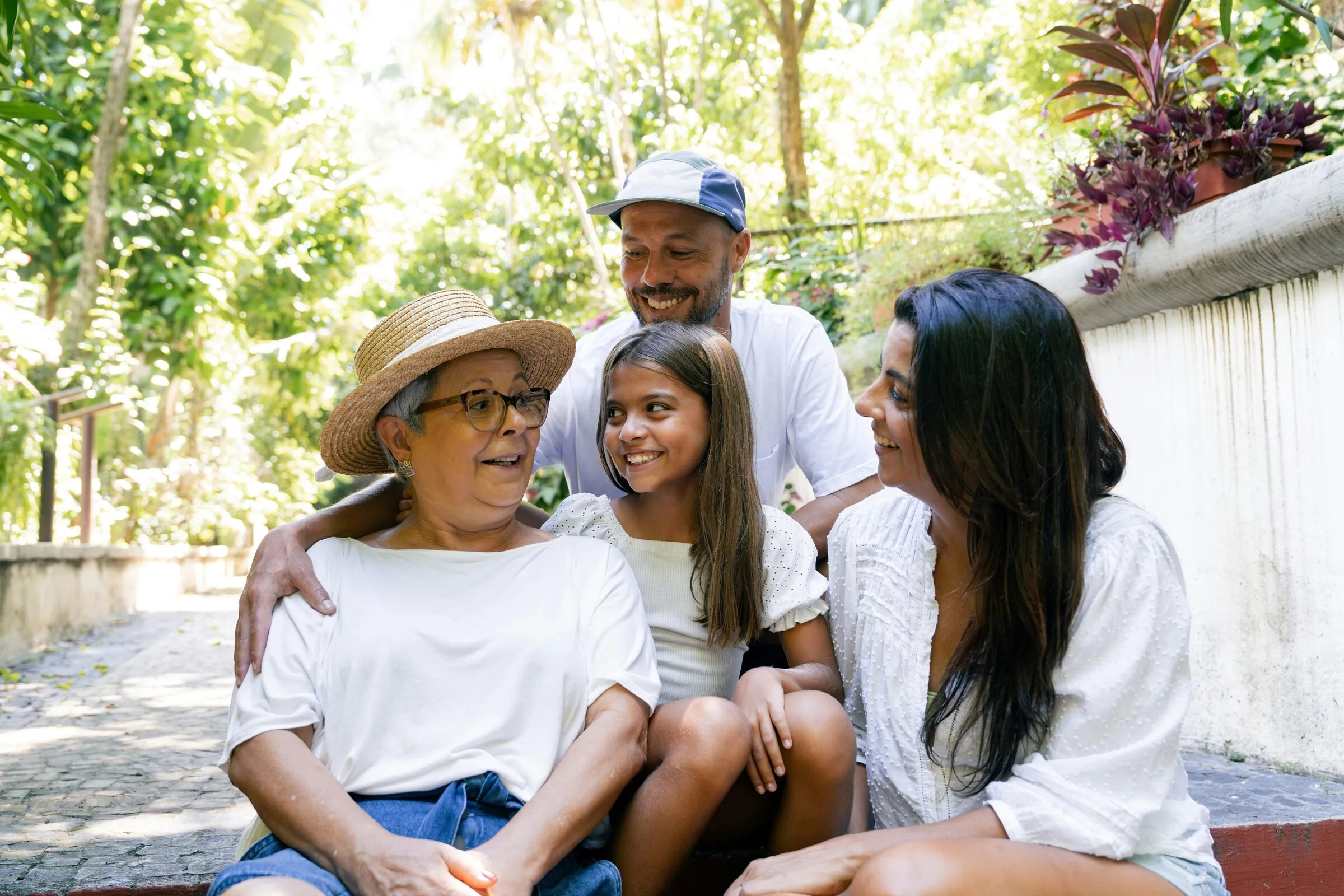
Multigenerational Travel: Getting Eight People to Agree on Something
Multigenerational travel looks like a regular family vacation until you actually try to plan one. Then you realize: a 14-year-old and a 74-year-old don’t want the same thing, they don’t move at the same pace, and they definitely don’t want to sit next to each other on a six-hour bus tour.
That’s the planning challenge. Not bad destinations — plenty of places work. The variable is how you structure the trip so that a teenager, their parents, grandparents, and maybe an aunt and uncle can all show up excited, stay excited, and actually enjoy being together.
I’ve planned dozens of these. The ones that work have one thing in common: they reject the idea of “everyone does everything together.” Instead, they build parallel tracks — the 14-year-old and one parent take the cooking class; the grandparents rest at the cafe; the other parent does the winery walk; everyone reunites for dinner. That structure is the trip.
Here’s what actually makes multigenerational work.
What’s Different About the Multigenerational Math
A regular group trip with six friends is one social equation: everyone has basically the same pace, the same interests, the same energy level at 8 AM.
A multigenerational trip with six family members is three social equations happening simultaneously. A 16-year-old’s idea of a good afternoon (independence, something she chose, maybe something with her phone off) is different from a 45-year-old’s (a specific experience they’ve been curious about) which is different from a 72-year-old’s (comfort, rest, no surprises).
The common mistake is pretending these differences don’t exist and booking a trip that sounds good on paper but requires everyone to want the same things. “We’ll do a walking tour of the city in the morning, then a cooking class in the afternoon, then dinner together.” On Day 1, someone’s tired. On Day 2, someone else is bored. By Day 3, the teenager is resenting being on a schedule and the grandparent is resenting the pace.
The solution isn’t to soften the itinerary. It’s to multiply it.
Instead: the teenager and one parent do the cooking class while the other parent and grandparents do a slower paced city walk with more sitting. The teenager and parent do the afternoon independently — maybe gelato and shopping, maybe a museum, whatever the teenager wants. The grandparents rest at the hotel. That night, everyone gathers for the same dinner.
You’re on the same trip, at the same destination, at the same time. But you’re not doing the same things. That’s the design.
The Property Question: Villa vs. Resort vs. Ship
This is where most multigenerational trips live or die.
Villas (Tuscany, Provence, the Greek islands) are the gold standard for multigenerational because they give you scale, separation, and infrastructure all at once.
A villa sleeping eight has common spaces (kitchen, dining area, big living room) where everyone gathers, but also private space — multiple bedrooms, private bathrooms, little alcoves. The grandparents can rest upstairs while the parents and teenagers are in the kitchen. Someone can take a work call in one room while someone else naps in another. That separation is essential for multigenerational sanity.
A villa also means you can eat together without everyone paying restaurant prices. You can hire a local chef to cook dinner for the whole group — which becomes the gathering point — but lunch can be casual, bread-and-cheese-based, eaten at different times. The flexibility matters.
The tradeoff: villas require more coordination. Someone’s managing the arrivals, the key pickup, the local relationships (the chef, the driver, the activity operator). You either need a travel advisor handling that or a very organized family member. Also, you need someone to cook or plan meals, or you’re paying for a chef every night.
Resorts with genuine multigenerational programming (think: all-inclusive properties with kids’ clubs, teen clubs, adult activities, and a focus on bringing families back together for meals) work because they give you infrastructure without requiring you to build it.
A good resort in this category — we use Classic Vacations properties for this — has a dedicated kids’ activity for the 8-14 crowd, a separate teen program for the 15-17 crowd, adult activities and spa for the 40-65 crowd, and zero-pressure relaxation for the 70+ crowd. Dinners are together. Everything else branches.
The per-person cost is often lower than a villa because the infrastructure is there and you’re not paying a chef. The tradeoff: less customization, more crowds, less village feeling.
River cruises (AmaWaterways, especially) are oddly brilliant for multigenerational because they solve the logistics puzzle with the least stress.
Everyone’s on the same boat, so nobody’s worried about transportation or transfers. You all meet for breakfast. Then you disperse: the 14-year-old does the organized teen shore activity (hiking, a city walk with a guide, whatever’s offered). The grandparents book a slower excursion or stay onboard. The parents do their own thing or join whichever activity appeals. You’re all back for lunch on the boat — easy, no coordination required. Dinner together again.
The boat is moving while you sleep, so you wake up in a new place without anyone having to drive. The logistics are genuinely invisible. For a multigenerational group where some people find travel logistics stressful, a river cruise removes one of the biggest friction points.
The per-person cost sits between resort and villa, and you’re not paying separately for transportation or most meals. The tradeoff: you’re on a boat with 150 other people (on Ama) to maybe 190 (on Viking), which some families love and some don’t.
The Activity Optionality Principle
This is the design pattern that matters most.
On a single-generation trip, you can say: “Here’s the itinerary. Tuesday morning is the hike. Tuesday afternoon is the town walk. Everyone meets for dinner.” Done.
On a multigenerational trip, you say: “Tuesday morning, here are your options: Hike (2.5 hours, moderate pace, led by a guide), Town Walk (1.5 hours, stroller-friendly, with a coffee stop in the middle), or Rest at the hotel with free breakfast. Lunch is on your own (we’ll suggest spots). Tuesday evening, we all gather for dinner at 7 PM.”
The genius is that everyone committed to Tuesday evening together, but the morning is parallel tracks. The teenager who’s tired of structured activities gets to sleep in and hang out at a cafe. The grandparent who doesn’t hike anymore doesn’t have to pretend to enjoy four miles at altitude. The 40-year-old who came to Italy specifically for the hike gets the hike.
Then dinner happens. The teenager shares what they did. The hiker shares the view. The resting grandparent had a calm morning and is genuinely happy to be there. You’re all energized instead of all exhausted.
This only works if the locations support it. A river cruise is built for this — the shore excursions are optional; the boat is the fallback. A villa with a car and driver works because people can disperse independently. A walking-tour city where distances are short works because people can break off and regroup.
The worst setup: a single all-inclusive resort where all excursions have fixed group times and the only option if you want to do something different is to stay at the pool alone. That’s not optionality; that’s false choice.
The Conversation About Pace and Preference
This needs to happen explicitly, in writing, before the trip, not during it.
I ask families: “What’s your speed? A full itinerary with an activity every morning and afternoon? Or 50% full, with built-in flex time?” I ask about physical demands: “Who hikes? Who doesn’t? Should we have options?” I ask about meals: “Do you want the group to eat together every night? Or most nights, with independence for some?”
Most multigenerational families answer: “Most nights together, some mornings are choice, and one morning is ‘everyone rests and does their own thing.’”
Once you’ve articulated that, the itinerary builds itself. You know the structure. You know what’s non-negotiable (dinner together most nights) and what’s flexible (morning activities). The teenager knows they’re not locked into seven days of group time. The grandparent knows there will be rest built in. Nobody’s surprised.
The Three Trip Types That Work Best
From my experience, these are the formats where multigenerational actually clicks:
Type 1: River Cruise (AmaWaterways model)
Per-person cost: $2,500–$4,500 depending on cabin and length.
Why it works: Transportation and meals are solved. Shore excursions are optional. You’re all on the same boat but can disperse independently. Dinner is the gathering point.
Best for: Families where some members are travel-cautious (the river cruise reduces logistics stress) and where you want structure without feeling rigid.
Example itinerary: 10-day Danube from Budapest to Amsterdam. Families book mid-deck (good value) or upper-deck (view premium). Someone books the hiking excursion. Someone books the spa afternoon onboard. Someone stays in the cabin reading. Everyone meets for dinner. The boat moves overnight. Next morning you’re in Vienna.
Type 2: Villa-Based Trip (Tuscany, Provence, Greek Islands)
Per-person cost: $2,000–$5,000+ depending on villa size, location, and whether you’re hiring a chef.
Why it works: You have separation (private bedrooms), common space (the kitchen and dining room become the heart), and independence (people can wander the town, rest upstairs, spend time alone).
Best for: Families that want a slower pace, want to eat together, want a sense of place. Less structured, more conversational.
Example itinerary: 7-night villa in Tuscany. Someone cooks dinner every night (family member or hired chef). Days are loose — walk to the village for lunch, nap, late afternoon spent however people want, gather at 7 PM. No schedule, just shared space and shared meals.
Type 3: All-Inclusive Resort with Multigenerational Programming
Per-person cost: $1,500–$3,500 depending on property and season.
Why it works: Built-in kids’ clubs, teen programs, adult activities, and group meals mean you don’t have to engineer the separation yourself.
Best for: Families that want structure, variety, and everything included in the price. The resort handles the logistics of keeping different ages happy.
Example itinerary: 7 nights at a Riviera Maya all-inclusive designed for families. Kids go to the morning beach club activity. Teens go to the afternoon sports/water sports program. Parents book spa or do adult water sports. Grandparents rest and have a calm lunch. Everyone meets for the family dinner buffet. Next morning, repeat.
The Honest Cost Breakdown
People ask about price. Here’s the real math:
Under $3,000 per person: You’re looking at a domestic beach destination (Caribbean all-inclusive is the baseline here) or an all-inclusive resort focused on families. Good value, limited customization. Fine for multigenerational if the resort has good programming.
$3,000–$6,000 per person: This is the river cruise zone and the sweet spot for most multigenerational families. Transportation, meals, and structure are all included. A lot of flexibility within that structure.
$6,000–$12,000 per person: Villa-based trips, nicer resorts, guided tour packages with more hand-holding. More customization. You’re usually paying for a travel advisor’s coordination here (which is worth it for multigenerational).
$12,000+ per person: Luxury villas with private chefs, private guides, luxury all-inclusive resorts, or custom itineraries with bespoke everything. This is for people who want no compromises and can pay for that.
Most multigenerational trips I plan land in the $4,000–$8,000 range per person for a week. That covers a good river cruise, a nice villa with shared chef costs, or a higher-end all-inclusive.
The Rhythm That Actually Works
Here’s the pattern that shows up in every multigenerational trip that people rave about:
- Morning: Options. Not everyone does the same thing.
- Midday: Independent. People rest, shop, explore on their own schedule.
- Early evening: Transition. People return, clean up, settle in.
- Dinner: Together. This is the non-negotiable.
You can vary the activities — some mornings are optional excursions, some are “everyone rests,” some are “everyone hikes.” But the rhythm stays the same. The gathering point is dinner.
Multigenerational trips fail when they try to make every moment shared. They succeed when they create structure around key moments (breakfast, dinner, one major shared activity per day) and let everything else be optional.
Should You Hire an Advisor for This?
Yes.
I say that because I do this for a living, but I also mean it: multigenerational trips are the hardest group trips to plan because the coordination is invisible to the family but it’s doing all the heavy lifting.
Someone has to think through the activity options and lock them (which excursions, what’s the price, what’s the pace, what’s the fallback). Someone has to think through the pacing (where does rest happen, are there rest days). Someone has to brief everyone on what’s flexible and what’s not. Someone has to have a backup plan if one person can’t do a certain activity.
That someone is usually a travel advisor.
The fallback is one family member who’s organized, comfortable making decisions, and enjoys logistics. Most families don’t have that person, or the person they have is already doing enough.
If you’re thinking about a multigenerational trip — whether it’s a river cruise, a villa, or a resort — and you want the structure and optionality built in without you having to engineer it, that’s where I come in.
The goal is simple: everyone shows up excited, stays excited, and actually wants to travel together again. That only happens if the trip is designed for the way your family actually works — not for the way a generic family works.
Let’s talk about your multigenerational trip →︎
Multigenerational trips are one of the trickier shapes in Groups & Celebrations, where I plan them.
Plan your trip with me.
A 30-minute discovery call is where it starts. No fee, no pressure.
Book a Discovery Call