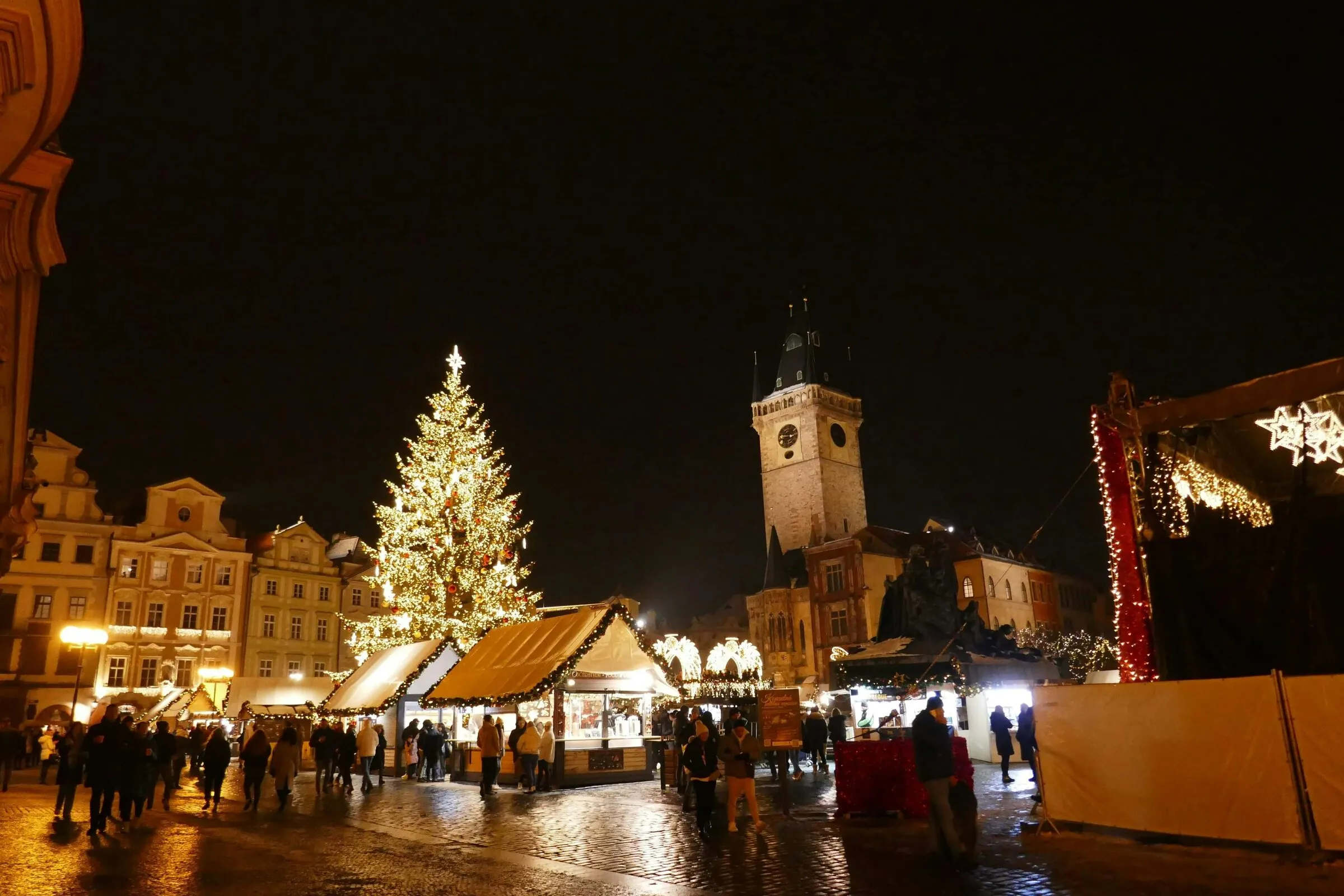
Holiday Markets by River: Planning the December River Cruise
I spent November 2024 on the AmaReina sailing the Danube during the holiday markets season, and I am absolutely besotted. This is not a relaxing cruise that happens to pass some Christmas markets. This is a journey designed entirely around the markets, and if you’ve ever wanted to experience European Christmas in a way that feels like stepping into a storybook, this is it.
The holiday markets only run mid-November through December 24. They appear in the cities, festoon the town squares with lights and wooden stalls, and then disappear when Christmas ends. A river cruise during this window is the only way to see them without doing the logistical nightmare of coordinating multiple hotels, multiple cities, and multiple arrival days.
Nuremberg is the center of the universe. Nuremberg’s Christkindlesmarkt is one of the most famous Christmas markets in Germany — it’s been running since 1628. The market sprawls across the main square in the medieval old town. It has hundreds of wooden stalls selling handcrafted ornaments, carved figurines, nativity sets, wooden toys, tinware, candles. The scale is overwhelming in the best way. Everyone is drinking Glühwein (mulled wine) from ceramic mugs they get to keep. Everyone is eating Lebkuchen (spiced gingerbread). The smell of roasted chestnuts and cinnamon and pine branches fills the air. The medieval architecture surrounds you. And a river cruise stops here for a full day, so you’re not rushing through — you’re actually present.
Vienna’s Christkindlmarkt is magic. Vienna has multiple markets, but the main one at Rathausplatz is elegant and sophisticated in the way Vienna is elegant and sophisticated. There’s less of the aggressive “buy my stuff” energy and more of the “let’s all enjoy this together” atmosphere. The Hofburg Palace provides a backdrop. The stalls sell beautiful things. The food is excellent.
The smaller markets are where the real experience lives. Passau and Regensburg have tiny Christmas markets that actual residents visit, not markets designed primarily for tourists. When the AmaReina docked, we got off the boat and walked to a market with maybe fifty stalls, local families buying bread and ornaments, children being delighted by the simplicity and the lights. It wasn’t picturesque in an obvious way. It was just real. That’s the experience you want.
What to pack. Bring layers. The Danube in November is cold — you’re in the 30s and 40s, sometimes dipping to the 20s at night. You want thermal underwear, sweaters, a good coat, a scarf, gloves. The river breeze is real. You’ll also want waterproof shoes or boots because the markets are outdoors and there’s often wet ground. Everything else is typical casual travel clothes — you’re not dressing up for dinner on the ship, and excursions are casual.
What to buy. Ornaments. Seriously. The wooden ornaments, the hand-painted nativity figures, the glassware — these are specific to German Christmas markets and unavailable elsewhere. I came home with a bag of ornaments I’m using to decorate my tree for years to come. Lebkuchen is shipped worldwide now, but buying it directly from the Nuremberg market is different — you’re buying from the vendors who’ve been making it there for generations. Wine is a good option too — the local German wines and the specialty Glühwein blends are hard to find internationally.
What to eat. Glühwein is essential. It’s not fancy — it’s wine heated with spices — but it’s the experience you’re there for. Lebkuchen is the gingerbread. Pretzels (both the bread kind and chocolate-covered pretzel sticks) are everywhere. Schnitzel. Spaetzle. Apple strudel. The food in the markets is not fine dining. It’s comfort food, eaten standing up or walking through the square. Embrace it.
Book this a year in advance. The Danube Holiday Markets cruises sell out months in advance. If you want to do this, start looking now for next year. These aren’t the optional post-script to a river cruise — they’re the entire reason people book. Cabins disappear fast.
The thing about a holiday markets river cruise is that it operates on a different emotional frequency than other travel. You’re not going to optimize your time. You’re not checking items off a bucket list. You’re moving slowly through medieval German cities, drinking warm wine, eating bread, admiring ornaments, and absorbing the fact that this is how Christmas used to feel. It’s gentler, slower, more restorative than typical travel. And it’s incredibly special.
Ready to plan a holiday markets cruise? I’ll help you choose the right sailing, the right cabin, and what to expect when you arrive in Nuremberg.
Plan your trip with me.
A 30-minute discovery call is where it starts. No fee, no pressure.
Book a Discovery Call