I move through the world as a gay man and a Jew by choice, and I’ve stopped pretending that doesn’t change everything about how I travel.
I never pass through New York without at least walking by Stonewall. I check for the gayborhood in every city I land in — not always to go out, sometimes just to know it’s there. I clock the old synagogue two streets off the tourist route. I feel the weight of a square that used to be something else.
And then there are the moments that stop me cold. I came around a corner in Budapest and there were the Shoes on the Danube — sixty pairs of iron shoes on the riverbank, where people were lined up and shot into the water. I stood in front of the memorial to the gay and lesbian victims of the Nazis in Nuremberg and couldn’t make myself move for a long while. In moments like those the world feels enormous and I feel very small — and somehow that smallness is the gift. I drink more deeply from the well of my own humanity. I feel connected to something much bigger than my trip. I can see my place in the whole of it.
That’s the lens. For a long time I thought it was just my private overlay on a place — my own thread running through the fabric. Then I started building trips for other people the way I build them for myself, and I learned a better truth: everybody has a thread. For whatever reason, most of us never tug at it when we travel, and almost no one has had a trip built to follow it.
Why I want this for you, not just for me
Here’s something the lens taught me that I didn’t expect.
The awareness I carry as a man who often travels alone — the quick read of which street, which look, which room is fine and which one isn’t — made me fluent in other people’s awareness too. I think about how a place actually meets a woman traveling solo. A trans or nonbinary traveler deciding how visible to be. Someone who’ll be an obvious minority where they’re going. Someone in a larger body who’s tired of being an afterthought to whoever planned the tour. None of those labels is ever the whole of a person — but I read them, and I handle them with care, because I know what it is to need someone to have read mine.
So even when I’m not inside your particular personhood, I will try to see you for the full richness of who you are, and I will build the trip to meet you there. That’s the part I actually care about. Not a trip that flatters you or sorts you or hands you a flag to wave — a trip built around the real shape of you, so you arrive somewhere as your whole self instead of a tourist in a windbreaker.
Because I believe seeing yourself somewhere else can rearrange something in you. You stand in a place that holds your people, or your history, or just the version of you that’s never had room to breathe, and something settles. You belong here too. It turns out that’s not a small thing to give someone. It might be the whole thing.
These are some of the threads I help people follow. Mine is only one of them.
The thread you can’t read yet — a trip built from a DNA test
This is the easiest place to start, because almost everyone has a version of it.
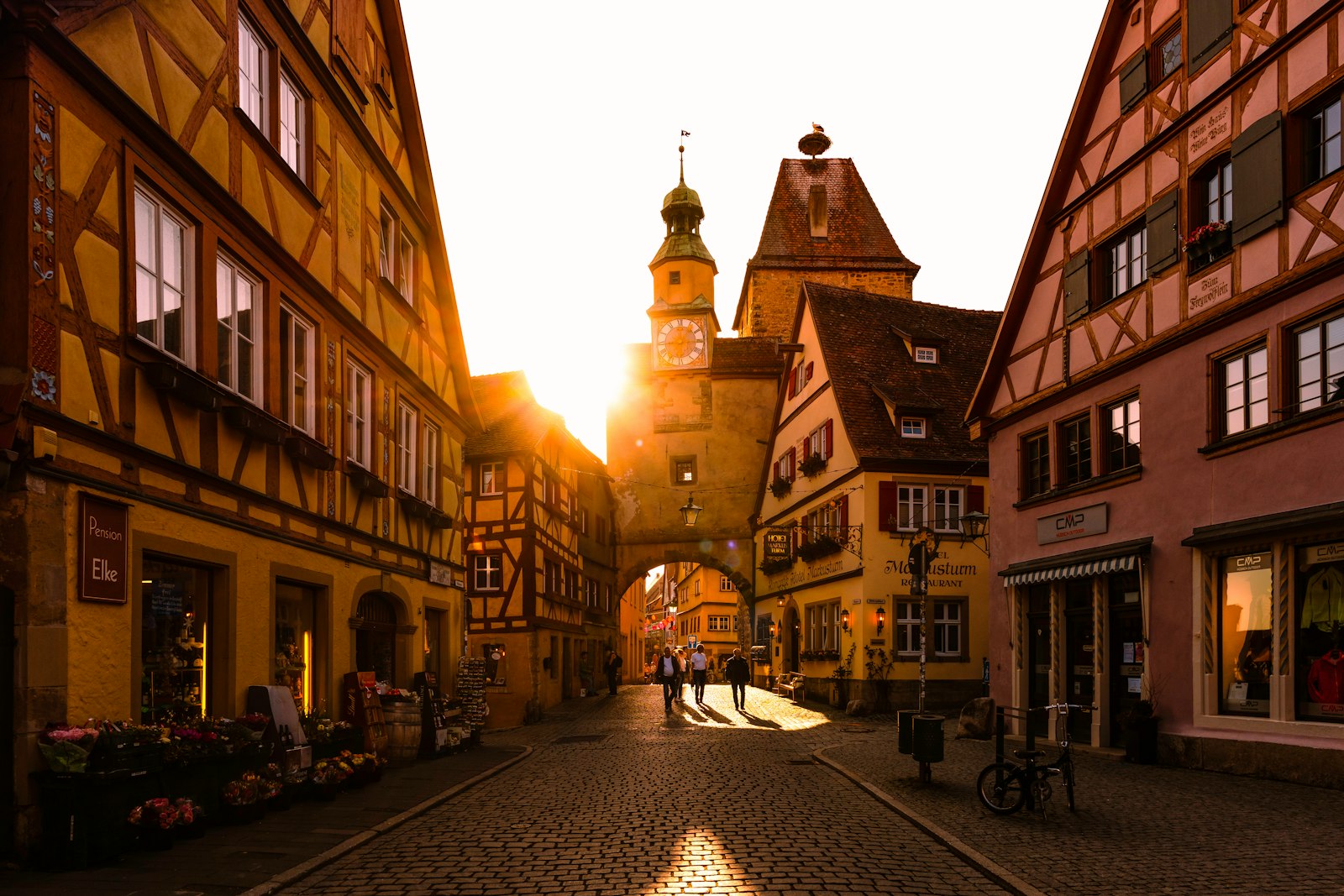
You spit in the tube. The kit comes back — AncestryDNA, 23andMe, whichever — and there’s a pie chart insisting you’re eighteen percent somewhere you’ve never been. A region you can’t picture. A surname your family stopped saying out loud two generations ago. Most people screenshot it, feel something for an afternoon, and let it go.
I treat that chart as a brief. We take the line that pulls at you — not necessarily the biggest slice, the one that pulls — and we build outward from it: the town your people would have passed through, the registry office that might hold a record, the market where the food you grew up eating actually comes from. Sometimes it’s a single anchor town and a slow week around it. Sometimes it’s a wider arc that follows a migration, the port they left from to the city where the name changed at the desk.
The trick is restraint. A heritage trip run like a scavenger hunt — eleven sites in five days — misses the entire point, which is to stand somewhere long enough that it stops being a result and starts being a place. The discovery is rarely a document. It’s usually a feeling you didn’t expect, in a town you’d never have booked on your own.
Heritage and faith — Jewish travel, and keeping Shabbat on the road
This thread is mine. If yours is a different faith or a different history, I’ll carry it with the same care — I can only speak from inside my own.

A few years ago, in a heavy season — the year I lost my mom — I took a river cruise down the Danube. I didn’t know it would become the deepest connection to Jewish history I’d ever felt, or the thing that finally carried me over a fence I’d been sitting on for a long time toward conversion. But that’s what it was. I came home a Jew by choice in a way I hadn’t quite been when I left.
So I know firsthand that this travel does something. To move through Jewish Europe is to read two stories at once. There’s the living one — the Sephardic streets of Toledo and Girona, a synagogue that survived by pretending to be something else, the food and the music and the stubbornness of a community that kept itself across centuries of being told to disappear. And there’s the harder one that Eastern Europe holds, which you don’t plan around — you plan through it, with care.
I’ll say the plain thing, because the moment asks for it: traveling as a Jew right now means carrying an awareness you’d rather not need. Antisemitism is real and it is not abstract, and I won’t gloss it. What I can do is plan trips that meet it with steadiness instead of fear — the right hands, the right rooms, people who read the situation so you don’t spend your vacation doing it. The Holocaust sites, when they’re part of a trip, I plan as the deliberate opposite of trauma tourism: slowly, with the right guide, with silence built into the day and somewhere gentle to land afterward.
And then there’s the ordinary, portable practice of it. I keep Shabbat on the road, and the adaptation is half the meaning. Some weeks I can’t pull off the whole thing — but I can turn the phone off. I can find a Jewish-owned deli or a table to join. I can find a synagogue to sit in, and be grateful, and feel myself connected, even in a strange city. Israel is a place I plan for travelers who love it the way I do — Tel Aviv at night, Jerusalem on a Friday evening as the whole city changes register. I’ll leave that at one sentence, because the trip is the work, not the argument.
Queer history — the people who made the ground, and the people who are your people now
I came up after the hardest part, and I’ve never taken that for granted. So when I travel as a gay man, I’m always half-aware of the people who made the ground I’m standing on.
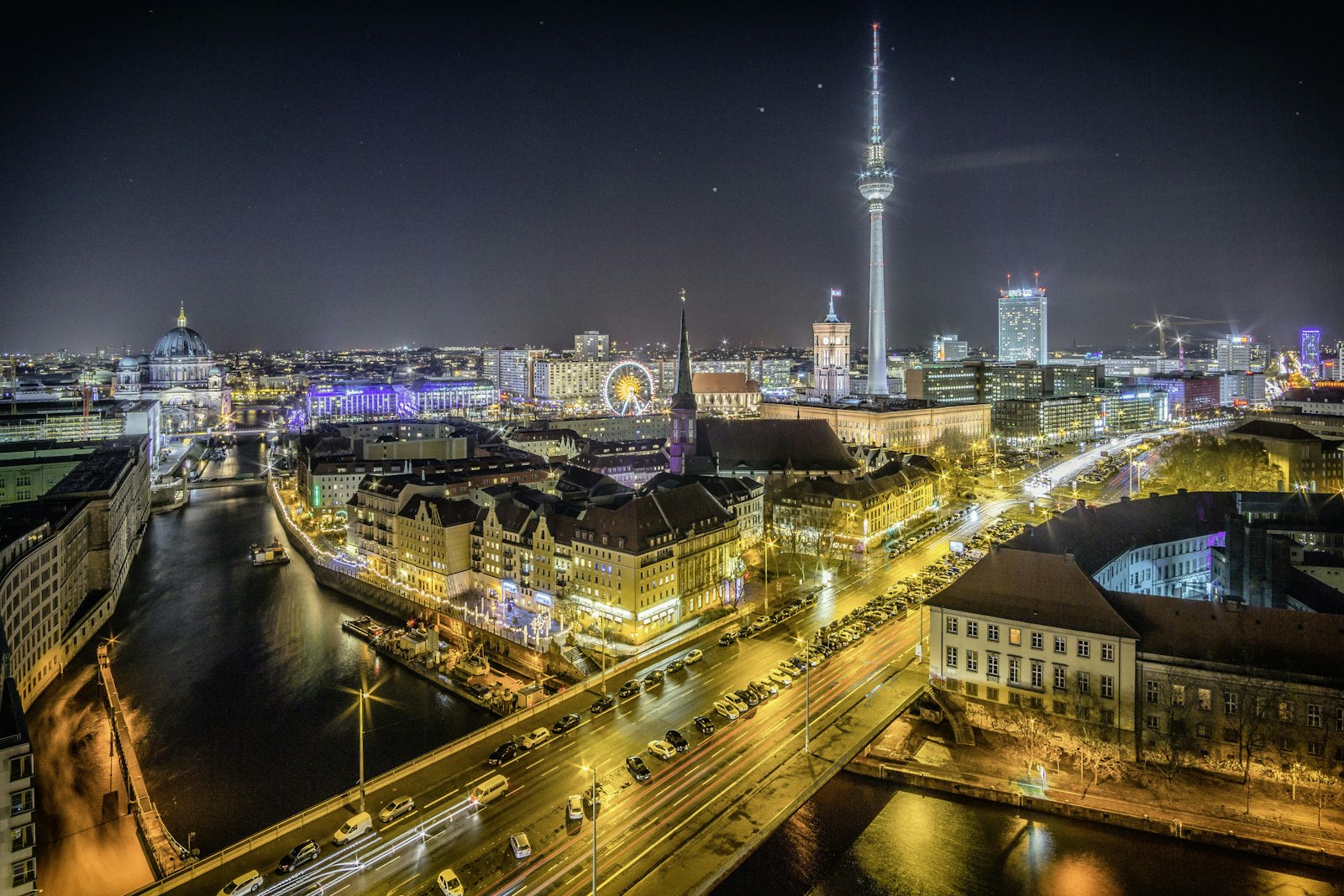
Queer history lives in specific places, and most of them aren’t marked. The single stretch of street in the West Village where a riot became a movement, and the bar that’s still there, still pouring. Berlin, which had an astonishingly free queer world in the 1920s — clubs, science, self-knowledge — before it was burned down and the people in it were murdered, and which has since built itself back into one of the most alive queer cities on earth. The resort towns that were safe before “safe” was a word anyone said out loud.
But it isn’t only about the past. At a conference in Palm Springs last year, I stood in a room and realized, for the first time in my professional life, that I wasn’t the youngest person there, or one of the only men, or the only one like me. I had a tribe. It deepened the whole city for me — and Palm Springs already knows how to make you feel met. That’s the other half of this thread: not just honoring who came before, but landing somewhere that lets you exhale because your people are there too. A queer-history trip isn’t a bar crawl, though there can be a great night in it. My husband Chase and I travel like this without meaning to anymore. Building it on purpose, for someone who’s never gotten to, is one of my favorite things to do.
The place that made you
The last thread isn’t a bloodline or a cause. It’s the place that built you, and what happens when you go back.
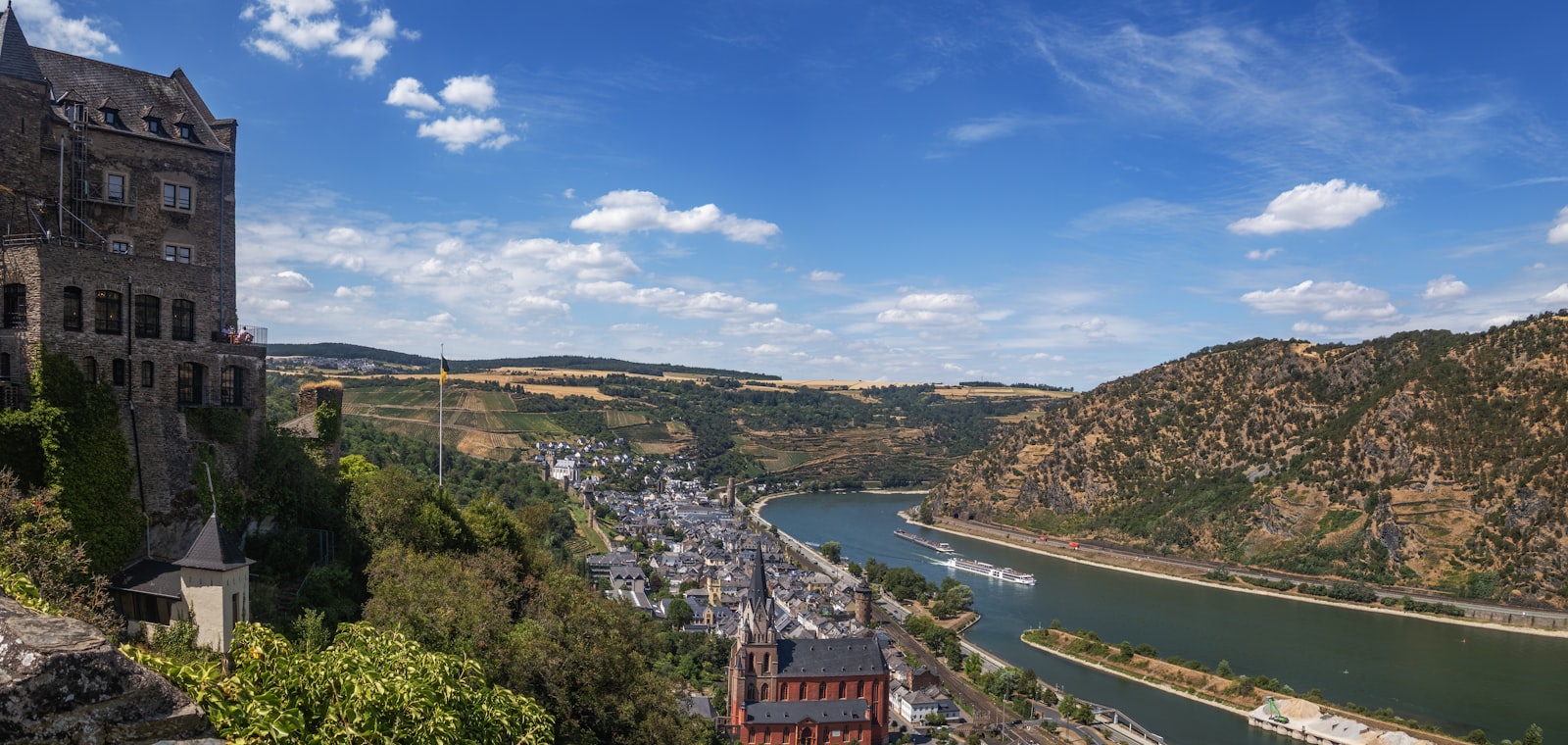
Mine is the Middle Rhine. I spent my early grade-school years on military bases in Germany, and the whole shape of me as a traveler was poured there. I loved the long walks through villages and up to castles and out into the woods. I loved that stepping off the base felt like stepping abroad — that a kid could walk into a kind of freedom and anonymity and bigness that I’ve been chasing in every trip since. When I plan that valley for someone now, I’m not reading a guidebook back to them. I’m bringing them somewhere that made me.
Everyone has a version of this. The country you were stationed in. The city you studied in for a year and never stopped dreaming about. The grandparents’ town you visited once and have been quietly homesick for ever since. A return like that carries memory as luggage, and it asks for a slower, gentler kind of planning — less itinerary, more room to feel things.
Everyone deserves to feel seen
None of this is the whole of anyone. I’m not only gay, or only Jewish. You are not only your DNA chart or your grandmother’s village or the year you spent abroad. But these are the pieces that change what we notice — and what we notice is what a trip is made of.
That’s why I do this. A trip built around the real shape of you doesn’t shrink the world down to your size; it does the opposite. You go looking for your own small line in something vast — and you find it, and then you feel the whole of it close around you, everyone else’s lines crossing yours, and for a moment you know exactly where you belong in the picture. You come home both very small and entirely whole. Somewhere in there, you got to feel seen, in a place that had no obligation to see you. I’ve watched that rearrange people. I think it can change anything.
If there’s a thread you’ve been wanting to pull — a chart, a name, a country, a faith, a history, a place that made you — or you just want to be planned for like someone actually saw you, tell me about it. Every one of these trips begins the same way: not with a destination, with a person.
Plan your trip with me.
A 30-minute discovery call is where it starts. No fee, no pressure.
Book a Discovery Call