What makes Belmond Belmond
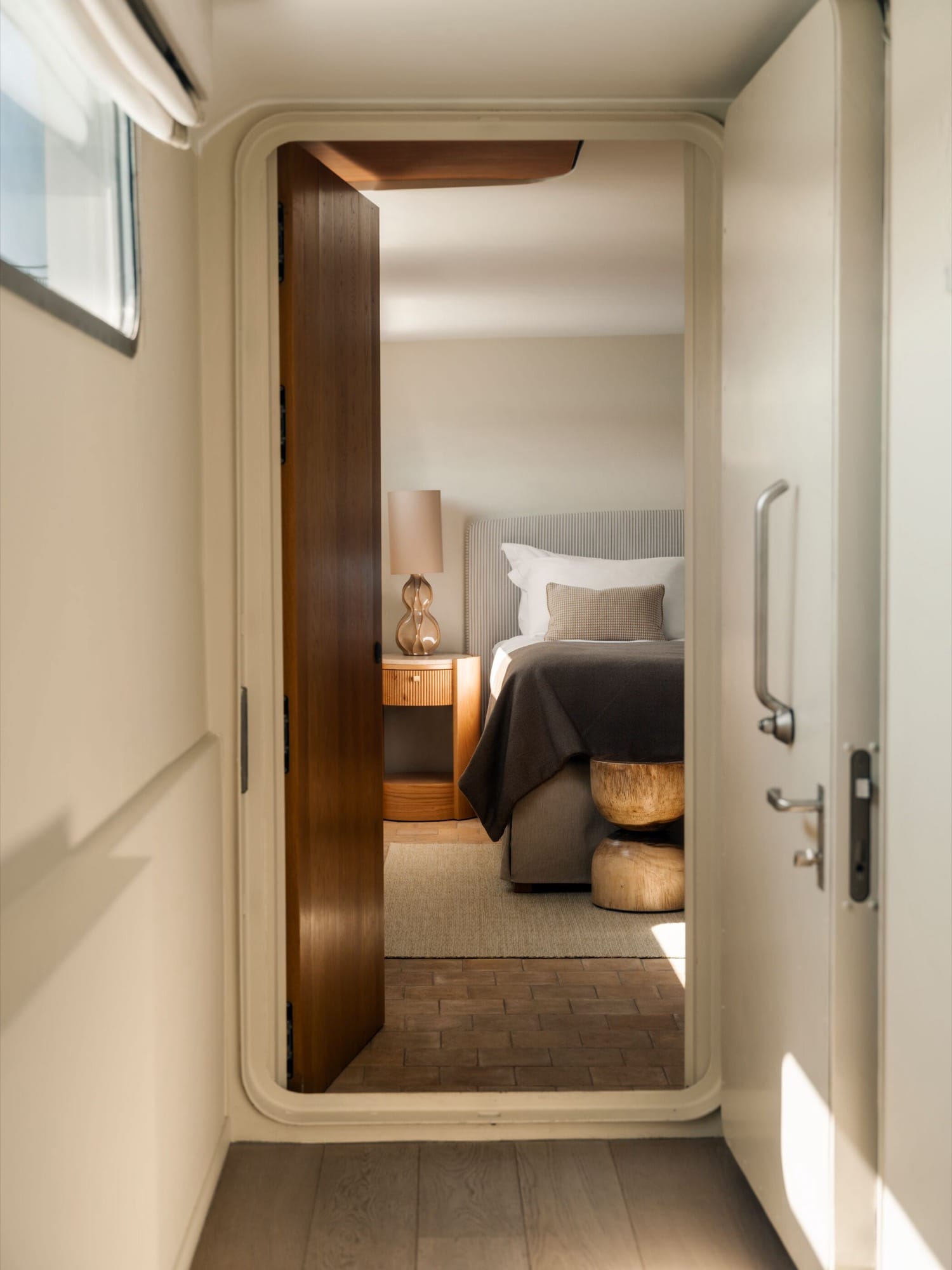
Most luxury hotel collections are a logo stretched over properties that have nothing to do with each other. You buy a name and discover that the only thing the Bali property and the Paris property share is the lobby script font. Belmond is the rare exception. The same eye that runs the Hotel Cipriani on Giudecca runs the Eagle Island Lodge in the Okavango Delta, the Andean Explorer through the Peruvian altiplano, and the canal barges between Burgundy vineyards. The architecture is different in every place. The standard is identical.
The company was founded in 1976 around the relaunch of the Venice Simplon-Orient-Express — the train that had been retired for half a century and that James Sherwood bought, restored carriage by carriage, and put back on the tracks Paris-to-Venice in 1982. The Cipriani came into the collection the same way. So did the Splendido in Portofino. So did the Caruso in Ravello. The thread was always the same: legendary, restored honestly, then operated to a standard that didn't bend. Half a century later that thread is the operating principle Belmond is best known for — and it is the part I read the collection by when I'm pointing clients toward it.
Today Belmond is thirty-some hotels across more than twenty countries, six trains across four, and a small fleet of canal barges in France. Different products, different ecosystems, one consistent house style — the rare collection in luxury travel where the brand is doing more work than the property name.
Why I champion this collection
Most of what I do for clients runs on one principle: the part of a trip that lasts is the part that was chosen with judgment. Not amenity counts, not lobby photography, not the chase for whatever opened last year — the quiet decision, made early in the planning, that this property and this operator and this room are right for this trip. The clients who let me make that call get the version of luxury travel I think is worth selling. Everyone else gets the brochure.
Belmond is the collection that operates at that frequency. The hotels are restored without being museumed. The trains are the destination, not the connector. The safari camps are a category most travelers don't know the brand even works in. Everything across the company has been picked the same way I'd pick it. That alignment is rare enough in luxury travel that when I find it, I lean in — and Belmond is the rare collection I lean in on across the entire range, not just one geography.
Honesty about where I sit, since that's the right thing to say first on a page like this: I am bidding for the Belmond customer here, not documenting a decade of bookings. Cap Juluca is the first Belmond property I built a TWE landing page around — the start of the working depth I am putting under the rest of the collection, property by property. What I bring today is the read of the brand, the Signature Travel Network relationship that makes the booking work, and the taste judgment to put the right Belmond against the right trip. The collection earns the trust on its own; my job is to point you to the right room inside it. The longer essay version of this argument lives at why I started with Belmond.
Where to start with the collection
Five Belmond surfaces are live below — the three hotels that already have working depth and the two product circuits where Belmond does something most travelers don’t know they do. The rest of the collection lands as it ships.
The move almost nobody makes
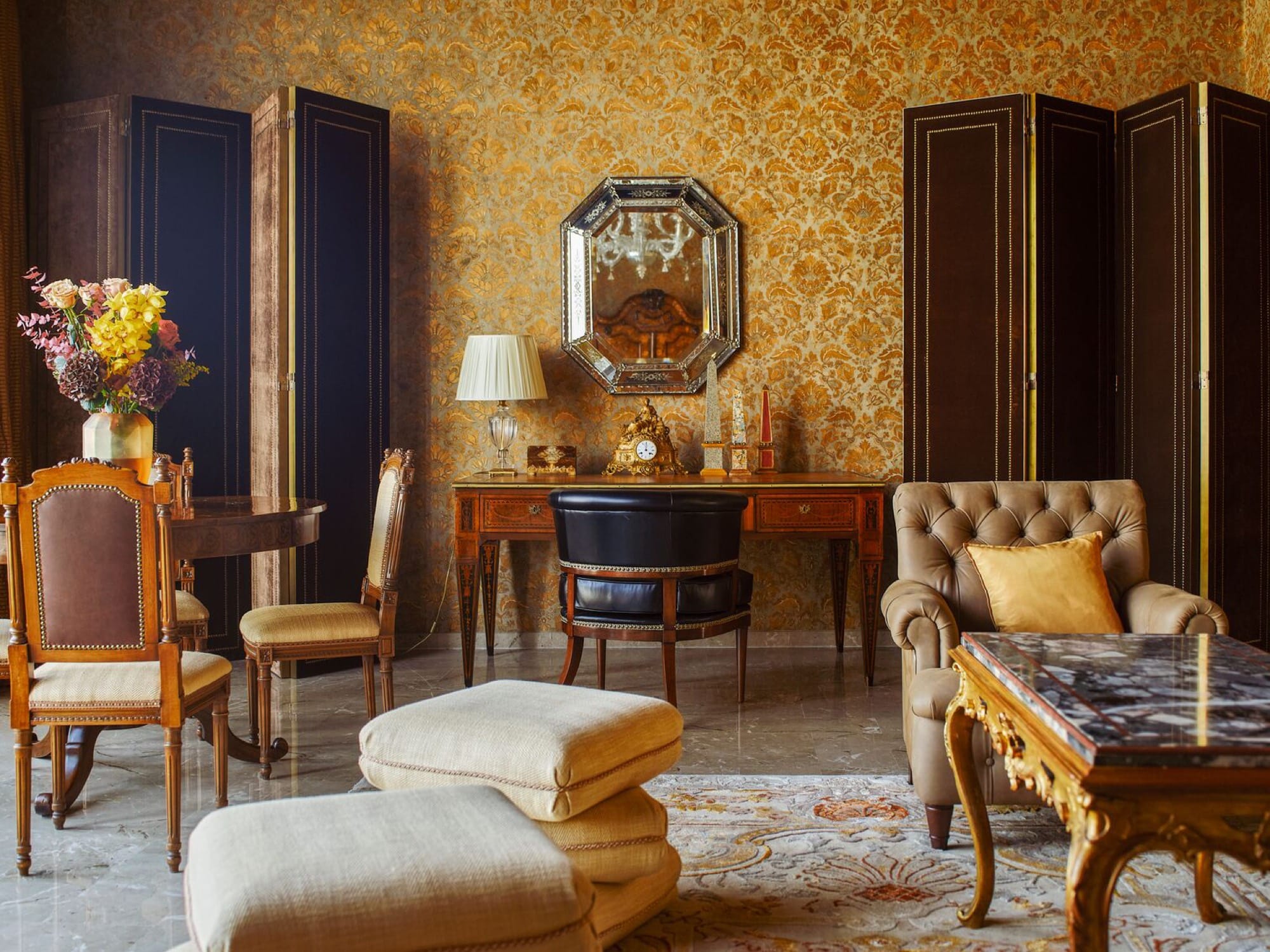
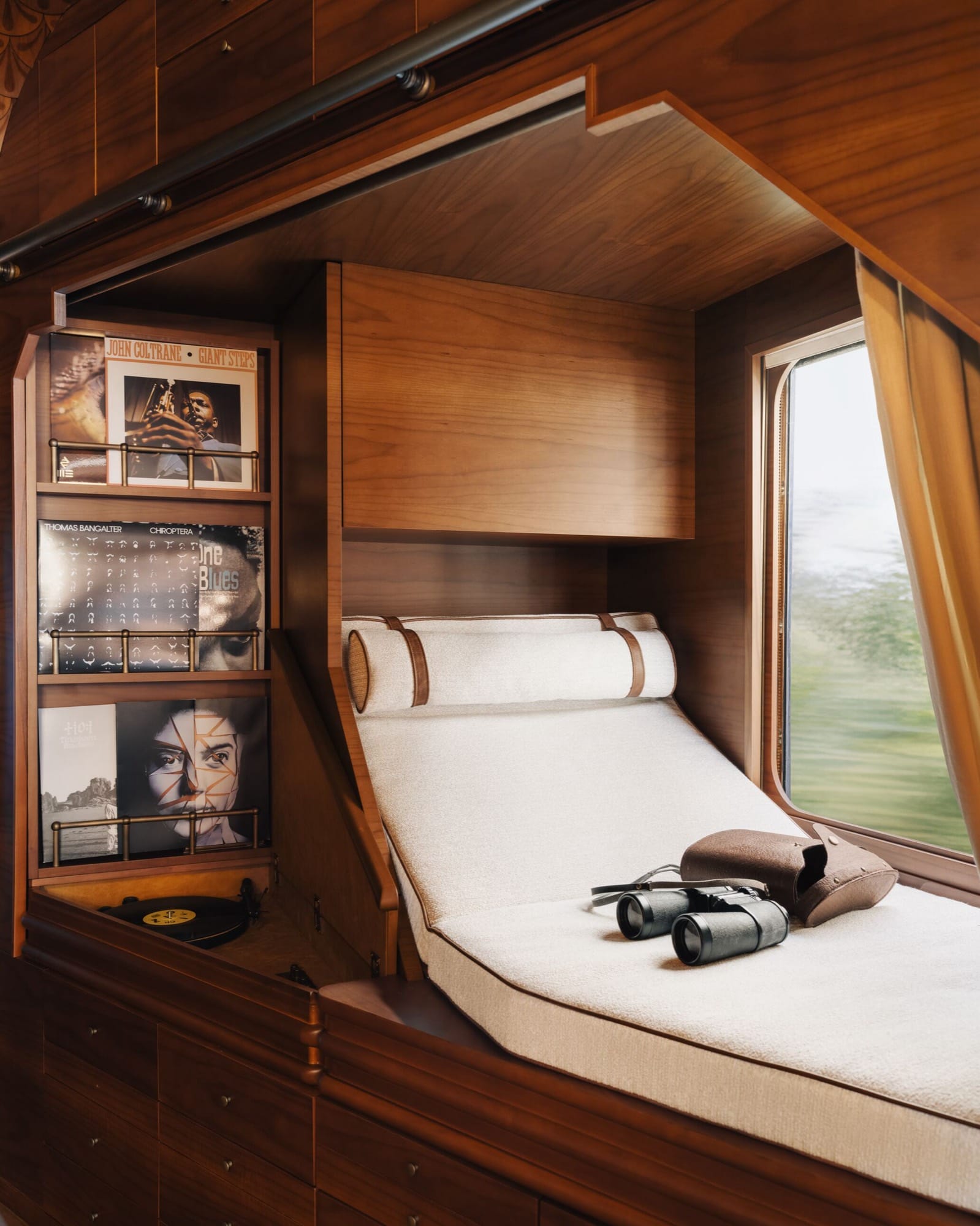
Most travelers know Belmond as hotels. A smaller group knows Belmond as the company behind the Orient-Express. Almost nobody puts the two halves together. Which is a shame, because the signature itinerary in the collection is the hotel-and-train move: two nights at the Cipriani in Venice, then the Venice Simplon-Orient-Express to Paris or London the next morning. Same eye on the platform, same eye in the carriage, same eye on the lagoon you just left. The trip plays as one continuous moment instead of two segments.
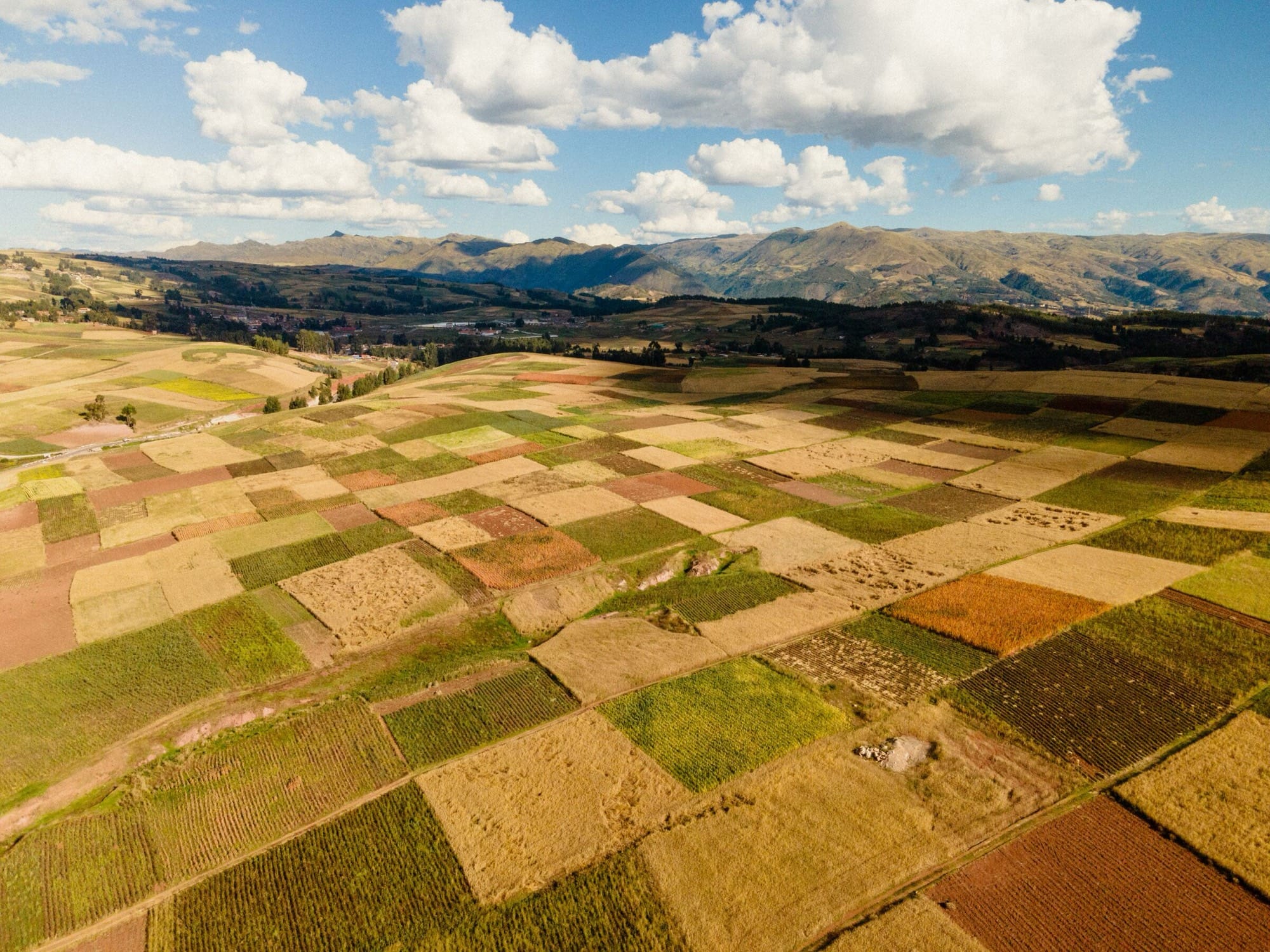
The Peru circuit works the same way. Lima — Cusco — the Sacred Valley — Machu Picchu, every night a Belmond, and the Andean Explorer sleeper train and the Hiram Bingham day train doing the connections. You can run an entire country inside one collection. No other vendor in my rolodex can say that about a destination.
The hotel-and-train pattern is the most underused booking move in luxury travel. It’s also the easiest to plan once you know it exists — that’s a discovery-call conversation, not a brochure feature.