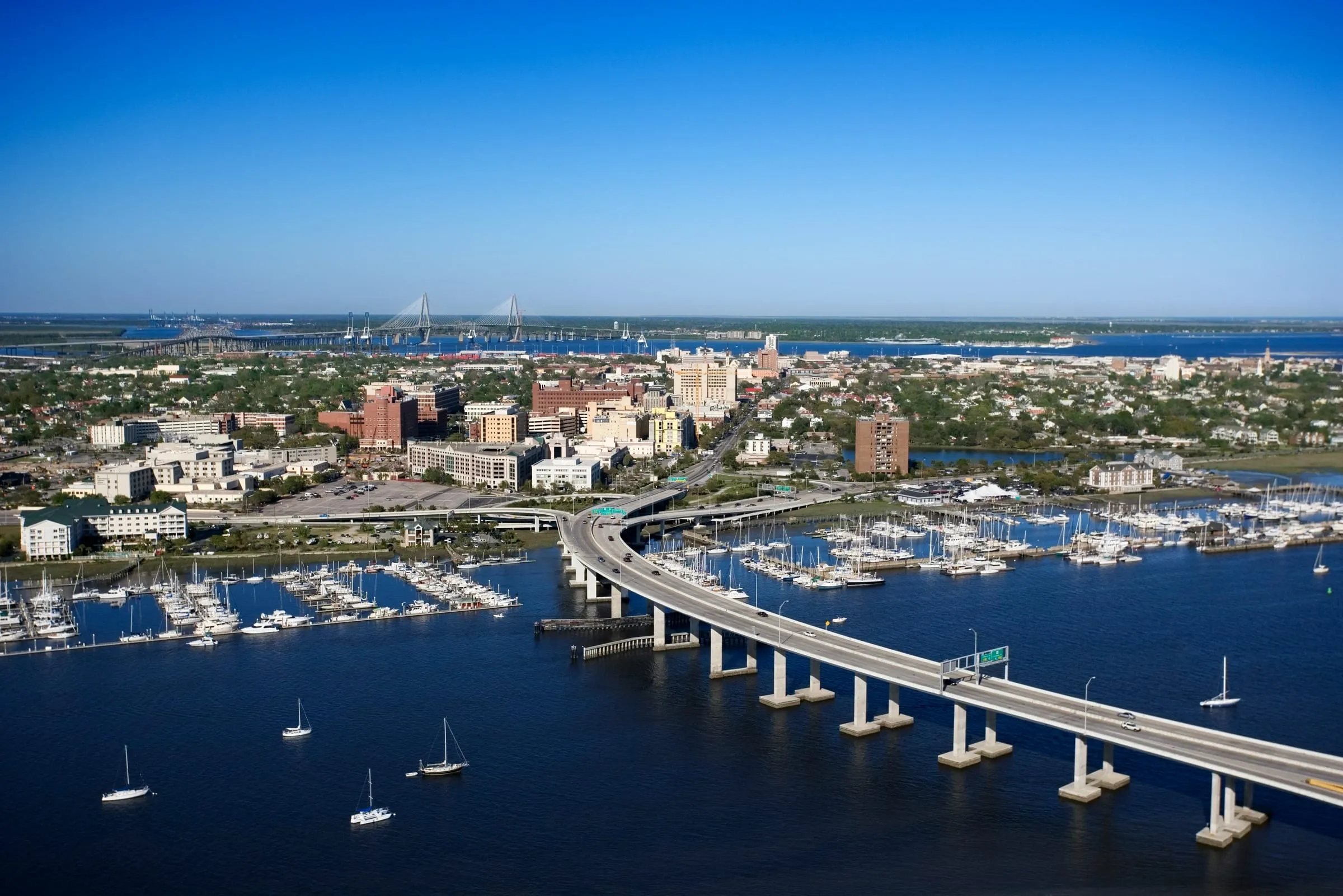
Charleston is the American city that has gotten prettier and more self-aware about its own beauty in the last fifteen years, which is both a gift and a problem. The gift is real: excellent restaurants, carefully curated neighborhoods, beautiful historic homes, a waterfront that actually functions as a place to walk and sit, not just a backdrop. The problem is that it’s become fashionable quickly, which means it’s crowded and expensive in ways it wasn’t before. But for the kind of trips I plan — bachelorette weekends, milestone birthdays, reunion gatherings, groups of friends who want to eat well and stay in beautiful places — Charleston still works better than almost anywhere else in the country. It’s accessible (flights from everywhere), it’s walkable (the heart of the city is small and coherent), it’s food-forward (excellent restaurants at every price point), and it has enough history that your group can take it seriously without taking yourselves seriously.
Most clients come to me asking about Charleston in one of three frames: as the bachelorette weekend anchor (the most common ask), as the friend group reunion trip (milestone birthday, college friends gathering), or as the extended-family multi-generational visit (parents, grandparents, cousins, nieces). Which one you’re doing shapes the itinerary significantly. Charleston punishes compression — trying to do the whole city in a day-and-a-half of a long weekend — and rewards the long weekend where you can set a pace and actually inhabit the neighborhoods.
Here’s how I think about it.
At a Glance
| Best time to visit | March–May and October–November. Spring brings warm days without peak heat and humidity; fall is crisp, clear, and perfect. Skip July–August (hot and humid, peak tourist season, prices at their highest), skip December–February (cold, rainy, many seasonal restaurants closed). |
| How long to stay | Three full days minimum for a long weekend. Four to five days allows the trip to breathe — neighborhood time, restaurant time, group time without rushing. A week if you’re doing the multi-generational family version. |
| How to get there | Charleston International Airport (CHS) is seven miles from the city center. Uber or hotel transfer runs 15–20 minutes. Direct flights from most major US cities. |
| Currency / language | US dollars, English. Southern courtesy is assumed; a “yes ma’am” or “thank you kindly” earns genuine smiles. |
| One thing most guides won’t tell you | Charleston’s historic district is small and walkable, but the neighborhoods (Historic District, Market Hall area, King Street, East Side) each have different energy and character. Don’t assume everything is close together. And booking restaurant reservations in advance is essential — the good restaurants are booked on weekends, especially weekends. |
Why I Send Travelers Here
Because Charleston is one of the few American cities that works for groups without feeling manufactured or themed. The history is real (and complex, and worth engaging with seriously). The food is genuinely excellent — not trendy, not performative, but serious cooking from chefs who understand Lowcountry tradition and know how to evolve it. The hotels are beautiful without being precious. The waterfront works. The neighborhoods have character that wasn’t imported for tourists.
I send bachelorette groups here because the city is fun without being a party town, because the neighborhoods support long lunches and walking, and because there’s enough variety in dining and activity that a mixed group (some people want nightlife, some want quiet, some want shopping, some want history) can actually have different experiences and reconvene for dinner.
I send reunion and milestone groups here because the restaurants are good enough that dinner becomes the event (rather than something you squeeze between activities), because there’s enough to do that you’re not stuck staring at each other, and because the pace of Charleston naturally slows you down.
I send couples here for honeymoons and anniversaries because there’s romance available if you want it, but it doesn’t feel forced. You can be serious or playful. The city accommodates both.
Every recommendation below comes from the perspective of someone who understands what Charleston actually does, which hotels and neighborhoods work for which travelers, and how to build an itinerary that feels like you’re in the city rather than touring it.
Where I’d Anchor
Three neighborhood anchors cover almost any Charleston visit:
The Historic District (south of Broad Street). The most historically dense, most beautiful. Rainey Row, East Battery, the antebellum charm. Stay here if you want to wake up in historic Charleston and step directly into it. Trade-off: it’s the most touristy, the most expensive, and you’ll be surrounded by other travelers.
King Street / Market Hall Area. The commercial heart and the neighborhood where real people live around the shopping and restaurants. Less antebellum, more contemporary energy. Better for travelers who want neighborhood life without the museum feel.
East Side / Ansonborough. Increasingly popular, quieter than Historic District, still walkable to everything. Younger energy, modern design-forward hotels. Good for travelers who want beautiful without antebellum.
For the Historic District flagship, Hotel Bennett on King Street sits at the center of everything — three blocks from the waterfront, adjacent to the Market Hall neighborhood, the rooftop pool overlooking the city, the Alligator Soul restaurant (elevated Lowcountry, excellent), and the hotel bar is a place you’ll want to spend time in. The property has a boutique sensibility with luxury amenities. On my rate at the property, the amenity layer is calibrated to your dates and room category — it’s what you find at check-in rather than what’s promised in advance.
For the most romantic Historic District stay with serious hotel pedigree, The Charleston Place on King Street (a Beemok Hospitality Collection property) is the choice if you want that level of formality and service. Luxury spa, multiple restaurants, ballroom grandeur. More formal than Hotel Bennett; better if your trip is about the hotel experience being part of the story. On my rate, the amenities and upgrades apply to your specific dates and category.
For the East Side alternative — quieter, design-forward, younger energy — Zero George is a boutique property in a former townhouse with only nine suites, each with fireplaces and private courtyards. Small, distinctive, intimate. An option I love for a couple or a small friend group renting multiple suites. On my rate, the amenity layer is personalized.
For a bachelorette group wanting a gathering space and multiple rooms, Wentworth Mansion operates a handful of luxury suites in an 1886 mansion with the original architecture intact. It’s a statement arrival, a beautiful gathering place, and a unique sleeping situation. Smaller than a traditional hotel, more character than a standard property.
Want one of these stays? Start a discovery call — I’ll walk through the neighborhoods, check availability, and confirm what applies to your group size and dates. And the welcome detail — perhaps a table I’ve reserved for your first dinner, or a small gift at arrival — is how I make sure these stays feel personal.
What I’d Do With a Long Weekend
Day One — Arrival and Neighborhood Setting
Arrive, check in, drop bags. Walk your neighborhood. If you’re in the Historic District, walk East Battery for the view, the Rainbow Row (famous colorful row houses, worth photographing once), and the Waterfront Park if it’s evening. If you’re on King Street, walk the shops and galleries. If you’re on East Side, walk around and get oriented.
Dinner is the evening you’re together. Book a good restaurant in advance. Husk (Lowcountry contemporary, excellent, reservation essential), FIG (French-influenced Low country, seasonal, excellent), Chez Nous (French bistro warmth, intimate, reservation essential), or Sorghum & Salt (contemporary Southern, ingredient-forward, excellent). This is not the night to wing dinner.
Early night. You’re jet-lagged or tired. Reconvene tomorrow.
Day Two — The Neighborhoods and the Walking
Morning coffee at a neighborhood café. Callie’s Hot Little Biscuit for biscuits, The Ordinary for oyster breakfast if you’re in that mood, FIG Café for French café breakfast.
The day is for the neighborhoods and a structured activity. Either: a historic home tour (the Magnolia Plantation, the Middleton Place, or a self-guided walk of the Historic District), a waterfront walk, or a food tour of the Market Hall area.
Lunch is casual — wherever you land while walking, eat there. Leon’s Oyster Shop for fried chicken and oysters, The Ordinary for oysters and seafood, Bowens Island for casual oysters and beer if you’re near the water.
Afternoon: group comes back together if it split, rest period, shopping if anyone wants it, or a second neighborhood walk if you’re into it.
This is the night you go out. BEST Friend dinner (if the group wants a celebration vibe) or Chez Nous (if the group wants intimacy), followed by drinks at a bar. Leon’s also has a bar scene. The Ordinary has a natural gathering energy. Or find a smaller cocktail bar on King Street or in the Historic District.
Day Three — Food and Free Time
Morning is flexible. Breakfast wherever you are.
A mid-day experience if the group wants one: a culinary class, a boat tour to nearby islands, a beach drive to Folly Beach for the afternoon, or simply more neighborhood time.
Lunch at a restaurant you haven’t hit yet. Bowens Island if you haven’t been. Ordinary if you love oysters. Leon’s if you want noise and fun. Somewhere new if you’ve researched and have a reservation.
Afternoon is free — rest, final shopping, walk the neighborhoods one more time, or hit a museum if anyone’s into it.
Final dinner can be more casual. Poogan’s Smokehouse for Southern barbecue, 167 Raw for seafood and raw bar, Bowens Island if you love the location. Or return to one of the excellent restaurants you liked on night two.
Specific Things I’d Tell You About
The waterfront walks are worth doing. The Waterfront Park is beautiful, the battery walk is gorgeous, and unlike most American cities, you can actually spend time on the water without it feeling touristy or contrived. Go at sunset if you can.
The restaurant reservation situation is real. The good restaurants book out weeks in advance for weekends. If this is a special trip, we book the main dinner reservation during the planning call — sometimes months ahead. Don’t show up expecting to walk into Husk or FIG on a Saturday night.
The antebellum architecture situation is complicated. Charleston’s beauty is built on wealth from slavery. The historic homes, the gardens, the grandeur — it’s all built on that history. Visit the homes and the museums, but visit with that awareness. The city is increasingly working to tell that history more completely, and that effort is worth engaging with.
King Street is where the energy is. The shopping, the galleries, the bars, the restaurants — King Street is the actual heart of the city in a way the Historic District pretends to be. It’s more commercial, less picturesque, but it’s where things actually happen.
The Market Hall area is the beating heart. The farmers market (especially on Saturday morning), the restaurants, the mix of old and new — this is the real Charleston. Spend a morning here. Eat breakfast. Walk. Get coffee.
Bowen’s Island is worth the drive. It’s not in the city proper; it’s about 15 minutes south. The restaurant sits on pilings over the water, the oysters are excellent, and the energy is nothing like downtown Charleston. It’s worth an afternoon or evening trip.
What I’d Skip
The heavily touristed plantation tours. There are issues with how these are presented and what gets left out of the narrative. If you’re genuinely interested in plantation history and want an accurate telling, look for newer educational tours that address the full context. Otherwise, skip it and spend the time in the city.
Peak-season timing if you don’t have to. April and May are beautiful, but they’re crowded and expensive. October and November are better — warm days, clear light, fewer people. If you can choose, choose fall.
The daytime bar crawls and tourist-driven group activities. There are companies that run these and they’re exactly what they appear to be — large groups of tourists on a loud itinerary. Skip this entirely and make dinner the event.
Eating in the tourist corridor. King Street and the Historic District have some excellent restaurants, but they’re surrounded by mediocre tourist-focused places. If someone recommends a place and you’re not sure, ask me or check the local reviews. Better restaurants are slightly off the main drag.
For Bachelorette Weekends
This is what Charleston does best. The city accommodates groups, the restaurants are good enough that dinner is the highlight (not an afterthought), and the pace naturally supports the rhythm that groups want.
A good bachelorette itinerary has: one structured group activity (a cooking class, a food tour, a boat tour to nearby islands, a ghost tour if someone’s into that), one excellent group dinner (book in advance, make it an event), free afternoon time where people can split if they want (shopping, rest, second activity), and evening bar time that unfolds rather than gets scheduled. The whole point of Charleston for a bachelorette group is that you’re not performing — you’re in a beautiful city eating well and enjoying each other.
Different groups have different energies. Some want nightlife and bar-hopping. Some want daytime wine tastings and shopping. Some want quiet dinners and early nights. Charleston accommodates all of it because the city itself has enough texture that you’re not bored if the activities are low-key.
For Reunion and Milestone Groups
Reunion groups in Charleston often reorganize around the dinner table. Book two really good group dinners (one on the first evening, one on the final night), build a day around a structured activity that brings the group together (a food tour, a river cruise, a historic home visit), and let the rest unfold. People will want different things at different times. That’s fine. Reconvene for dinner.
For milestone birthdays: one special dinner at the best restaurant you can book, one day activity that the birthday person loves, and the rest is neighborhood time and low-key hanging out. The city provides the backdrop. Your group provides the event.
For Multi-Generational Families
Charleston works for grandparents, parents, and kids all in one trip. The waterfront is engaging without being overwhelming. The restaurants (while many are nice-to-dress-up, some are casual enough for kids). The neighborhoods are walkable. The history is teachable without being boring.
Book for four to five days so nobody has to rush. Build in quiet time for the older family members. Include restaurants that make kids happy and also make adults happy (Leon’s works for both, for instance). Keep one afternoon completely unscheduled.
Plan Charleston With Me
If you’re thinking about Charleston as a bachelorette weekend, a reunion gathering, a milestone celebration, or a family trip — that’s exactly the kind of planning I do. A 30-minute discovery call is where it starts. No fee, no pressure. Just the city, your timeline, your group dynamic, and what you actually want to happen when you’re together.
Book Your Free Discovery Call →︎
Last updated: April 2026. I keep this guide current. If a restaurant changes hands, a hotel renovates, a neighborhood shifts, or seasonal events move, the page changes. Charleston changes. The work doesn’t stop when the guide goes live.
Plan this trip with me.
A 30-minute discovery call is where it starts. No fee, no pressure.
Book a Discovery Call