Vietnam is the long country — and that single fact, more than any other, is what most itineraries get wrong. It runs more than a thousand miles from the mountains of the north to the Mekong Delta in the south, through three distinct climate zones that are almost never all good at once, and the trips that disappoint are the ones that ignored that and booked the wrong region for the wrong month. The trips that sing are the ones sequenced with the country’s geography rather than against it — north to south, on the right dates, in the right order.
Done well, Vietnam is twelve to sixteen nights of extraordinary range: the old-world density of Hanoi and the karst seascape of Halong Bay in the north; the imperial citadels, lantern-lit old town, and tailor shops of the central coast; the energy and food of Saigon and the watery sprawl of the Mekong Delta in the south; and a quiet beach stretch on the central-south coast to land the trip. And because the Mekong connects it straight into Cambodia, Vietnam extends with unusual ease into the temples of Angkor — the classic Indochina arc.
Most travelers come to me about Vietnam as a first deep trip through the country (the dominant one — north to south, twelve to sixteen nights), as half of an Indochina trip (Vietnam plus Cambodia’s Angkor, often joined by a Mekong river cruise), or as part of a wider Southeast Asia arc (paired with Thailand, Bali, or a longer regional loop).
Here’s how I think about it.
At a Glance
| Best time to visit | February to April is the best overall window — the one stretch when all three regions are reasonably cooperative at once. But the regional truth matters: the North (Hanoi, Halong) is best October–April (cool and dry), hot and wet May–September; the Center (Hue, Da Nang, Hoi An) is best February–August, with a serious wet-and-typhoon season October–November; the South (Saigon, the Mekong) is dry December–April, wet May–November, and warm year-round. There is no single perfect month for the whole country — so the dates shape the route. |
| How long to stay | Twelve nights is the floor for a genuine north-to-south trip; fourteen to sixteen is the right length, and the one I build most — especially with Cambodia or a Mekong cruise added. Under twelve nights, do half the country well rather than all of it in a blur. |
| How to get there | Most trips fly into Hanoi (HAN) in the north and out of Ho Chi Minh City (SGN) in the south (an “open-jaw” routing), so you travel the country in one direction without backtracking. Frequent one-to-two-hour domestic flights connect the regions; the famous Reunification Express train covers stretches scenically for those with time. |
| Currency / language | Vietnamese đồng (₫); US dollars are accepted in some tourist contexts but đồng is the working currency. Cards work at hotels and upper-tier restaurants; carry cash for street food, markets, and taxis — and Vietnamese street food is one of the great eating experiences on earth, so you’ll want it. English is widely spoken in the cities and tourist areas, thinner in the countryside; a translation app earns its keep. |
| One thing most guides won’t tell you | The open-jaw, north-to-south routing is the whole structure — fly into Hanoi, work your way south, fly out of Saigon (or continue into Cambodia). Backtracking eats days, and Vietnam’s geography rewards a one-directional arc. Combined with the three-climate-zone timing, getting the direction and the dates right is most of the planning value — and it’s invisible until you’re standing in a central-coast typhoon in October wondering why your beach day is cancelled. |
Why I Send Travelers Here
Because Vietnam delivers more range per trip than almost anywhere in Asia — and because it rewards the kind of sequencing and timing work that’s easy to get wrong on your own. In a single country you get a thousand-year-old capital with a French-colonial overlay, one of the planet’s great seascapes, an imperial-citadel-and-lantern-town central stretch, a high-energy southern metropolis, the watery maze of the Mekong, and a quiet beach coast to finish — plus some of the best and most distinctive food anywhere, which changes character as you move down the country. And it extends, more naturally than any of its neighbors, into the temples of Angkor for the full Indochina trip.
I send travelers here as a first deep Vietnam trip (north to south, the dominant structure), as half of an Indochina trip with Cambodia and often a Mekong river cruise, and as part of a wider Southeast Asia arc alongside Thailand or Bali.
Here’s how I think about Vietnam specifically. The trip-shaping work is mine — which regions, in which order, on which dates (because the dates choose the route), where the beach stretch sits, whether Cambodia and the Mekong join. That’s the editorial work, the part where the trip earns its money. The cities — Hanoi and Saigon — are navigable and English-friendly enough that an independent traveler does well with great hotels and a few key reservations; but the rest of Vietnam is genuinely ground-partner territory — the Halong overnight cruise chosen and booked right, the central-coast guiding, the Mekong logistics, the Angkor temple access at the hours that matter, the transfers and translation that turn a good trip into a seamless one. My role on that side is matchmaker. The bench is curated, vetted, and sized to the trip. For travelers in the Abercrombie & Kent register — full access infrastructure, bespoke-deep, the brand’s well-known executional layer across Indochina — A&K is the operator I’d route you to. For the bespoke range below that, the bench includes specialists with deep in-country Vietnamese and Cambodian teams who run the trip with the same care at a more accessible price-quality ratio. And for the river stretch, Aqua Mekong is the luxury small-ship I’d point you to for the Saigon-to-Siem Reap Mekong run. The structure is consistent: my strategy, executed through the partner who lives in the country.
Every recommendation across this guide and its spoke pages comes through that lens — how I plan Vietnam for the travelers I send, the hotel relationships I rely on, and a clear point of view about which version of each region earns your days.
The Three Climates — and Why It’s the Whole Game
This is the section I wish every Vietnam traveler read first, because it quietly determines whether your trip flows or fights the weather.
Vietnam is so long, north to south, that it spans three climate zones on different calendars — and unlike a short country, you can’t just “go in the dry season,” because the dry seasons don’t line up:
The North — Hanoi, Halong Bay, Sapa, Ninh Binh. Best October to April (cool, dry; December–February can be genuinely chilly and misty, which makes Halong atmospheric but grey). Hot and wet May to September.
The Center — Hue, Da Nang, Hoi An, Nha Trang. Best February to August (hot and dry, beach weather). Wet September to December, with October–November the typhoon-and-flood season — Hoi An’s old town genuinely floods some years. This is the zone that most often breaks a poorly-timed itinerary.
The South — Saigon, the Mekong Delta. Dry December to April, wet May to November, warm and tropical year-round (no real cool season).
So the rule is: the dates choose the route, and the best all-country window is February to April — the one stretch when the north is still pleasant, the center is dry, and the south is in its dry season. A trip in that window can run the whole country comfortably. Outside it, the smart move is to weight the trip toward whichever regions are in season and lighten the ones that aren’t — a July trip leans north-and-central-beach and treats the south as a quick stop; an October trip avoids lingering on the central coast. Booking a Hoi An beach week in October, or expecting a crisp Halong cruise in July, is the classic mistiming — and it’s the easiest Vietnam mistake to make and the most disappointing to discover on arrival.
This is also why “where should we go in Vietnam?” is the wrong first question. The right first question is when can you travel — and the route follows from that.
The Places I’d Send You
Vietnam, the way I plan it, is built from a north-to-south spine plus a Cambodia extension. Most trips use most of these in sequence — and each of these pages is the deep version:
Hanoi — the northern capital. The thousand-year-old city of the Old Quarter, lake temples, a French-colonial overlay, water-puppet theater, and a street-food culture that’s reason enough to come. The trip starts here, in the north, working south.
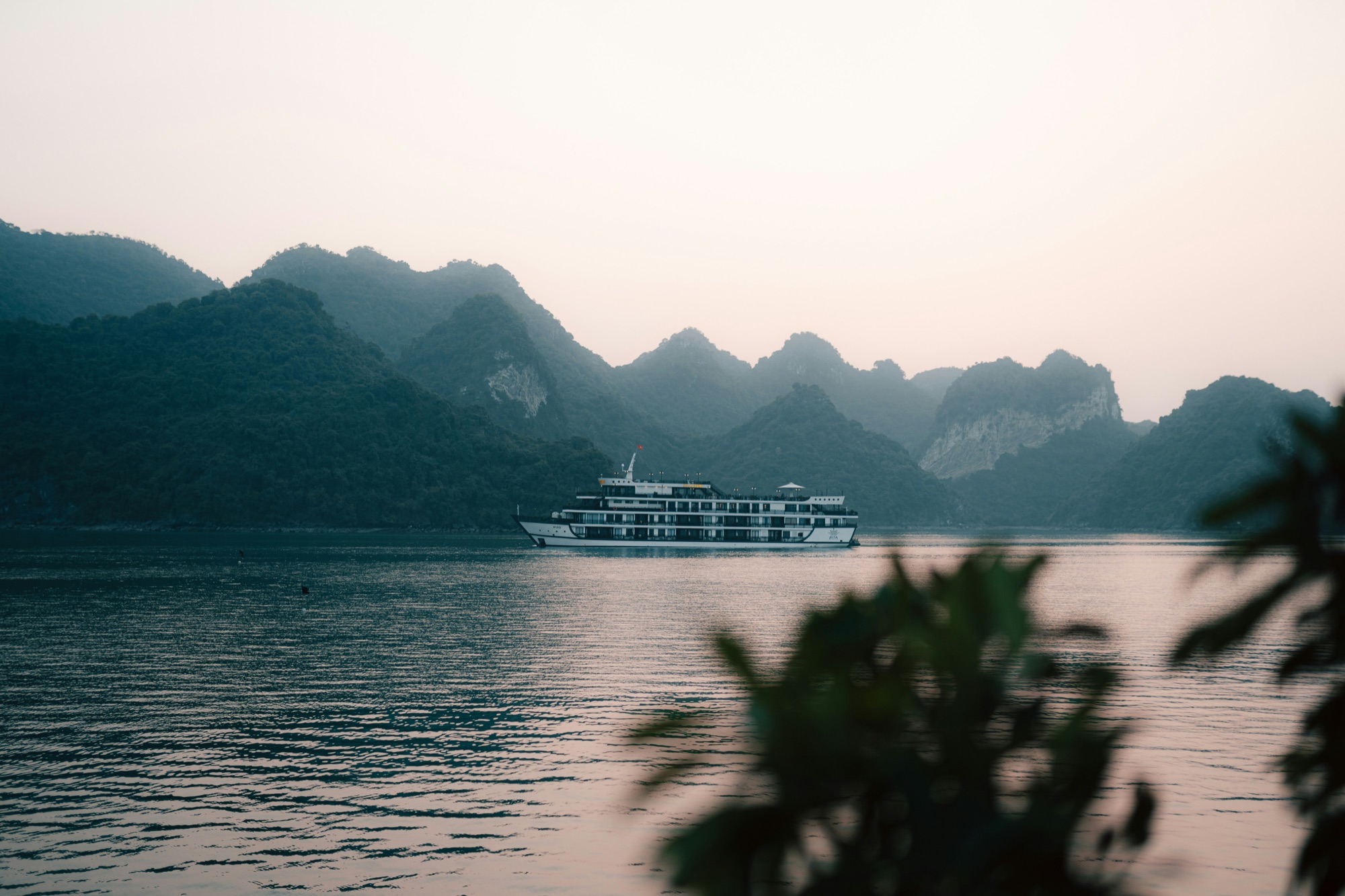
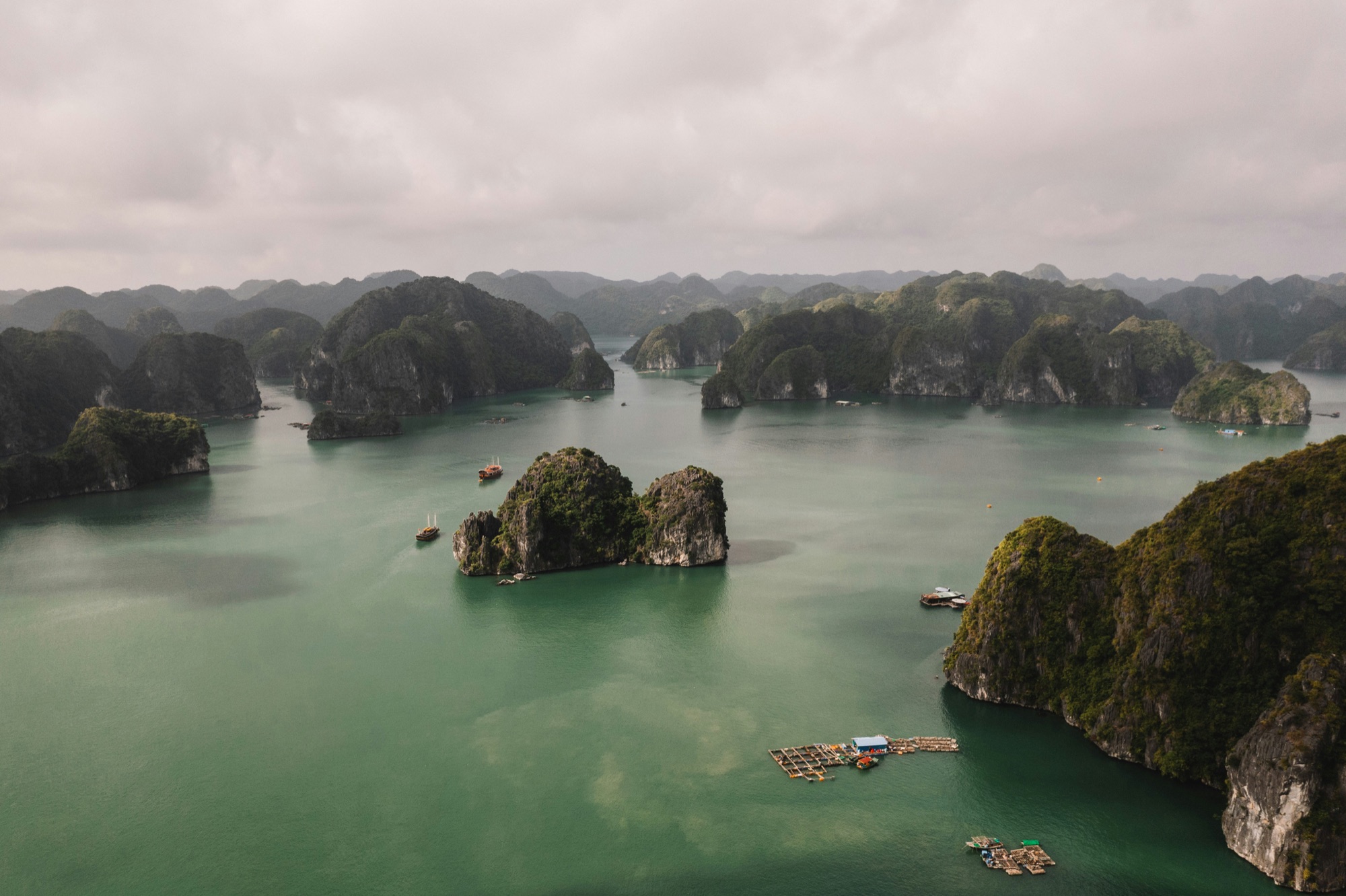
Halong Bay — the karst seascape. Vietnam’s signature image — thousands of limestone islands rising from emerald water — done the right way as an overnight luxury cruise (and, increasingly, in quieter Bai Tu Long Bay to escape the crowds).
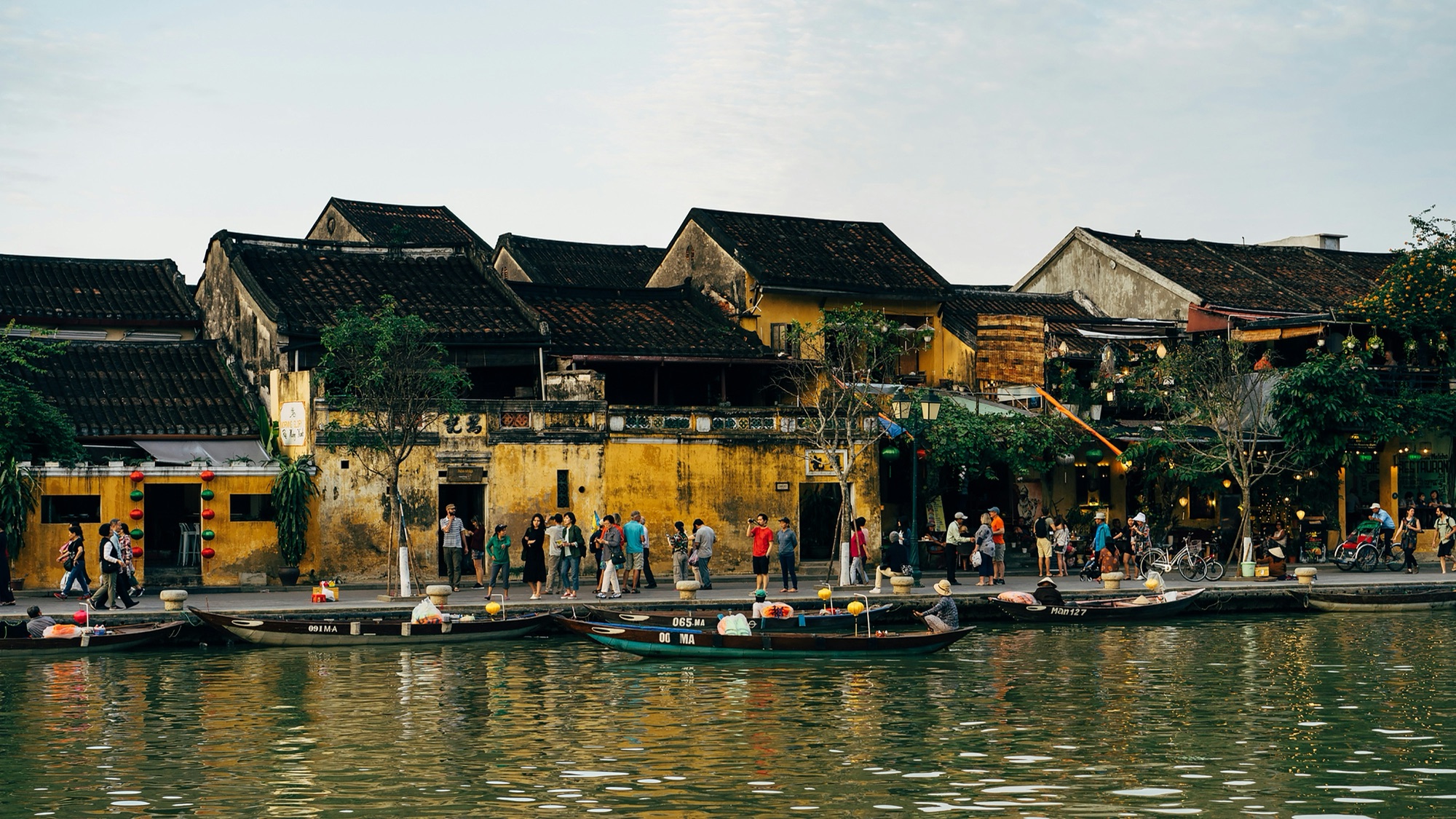
Central Vietnam: Hue, Da Nang & Hoi An — the imperial-and-lantern coast. The old imperial capital of Hue on the Perfume River, the beaches and gateway of Da Nang, and the lantern-lit UNESCO old town of Hoi An with its famous tailors — the cultural-and-coastal heart of the country.
Ho Chi Minh City (Saigon) — the southern metropolis. The high-energy, food-obsessed, history-laden south — French-colonial landmarks, war history, rooftop bars, and the gateway to the Mekong.
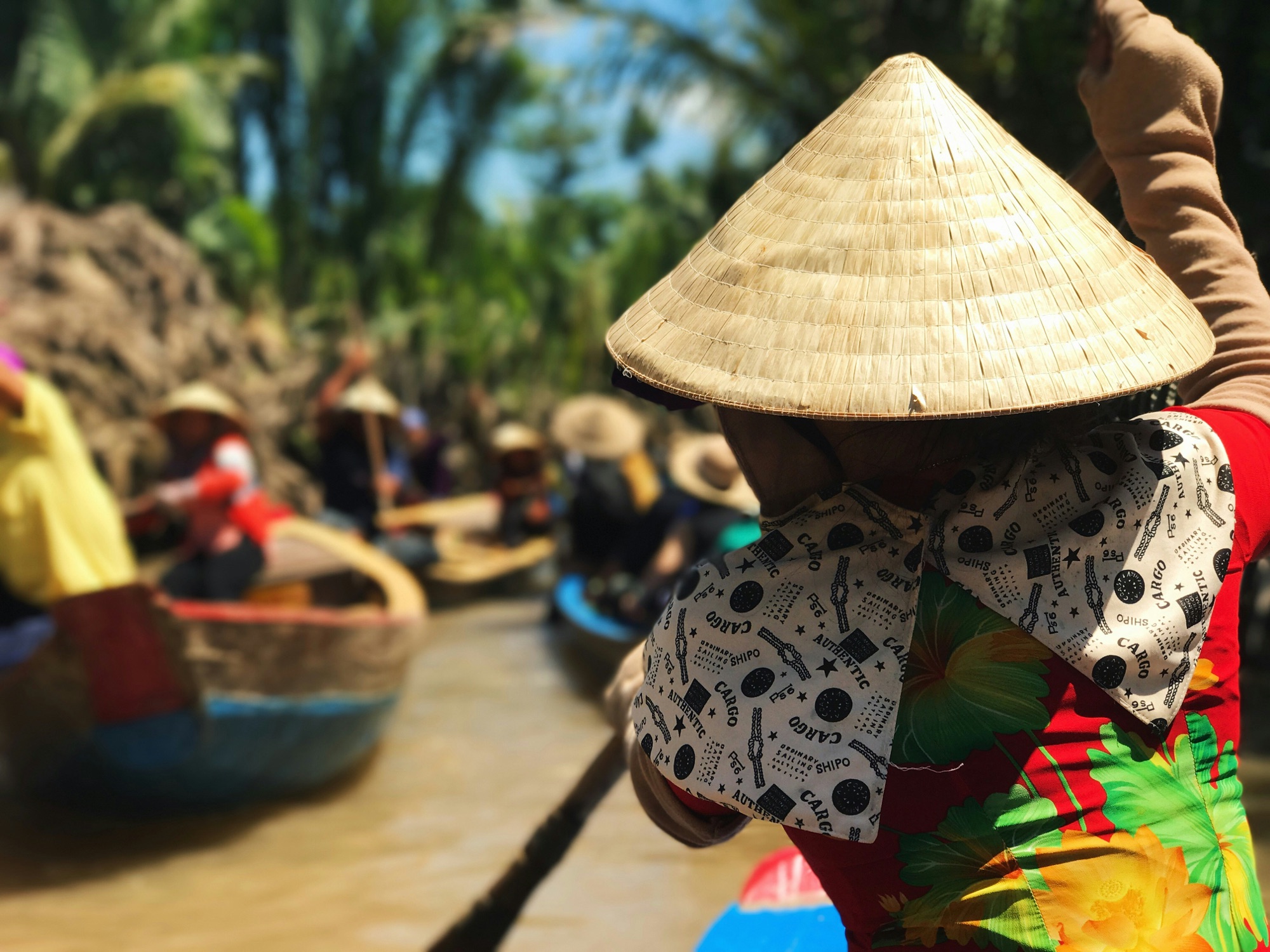
The Mekong Delta — the watery south. The river maze of floating markets, stilt houses, and orchards — best as a luxury river cruise that doubles as the connection into Cambodia.
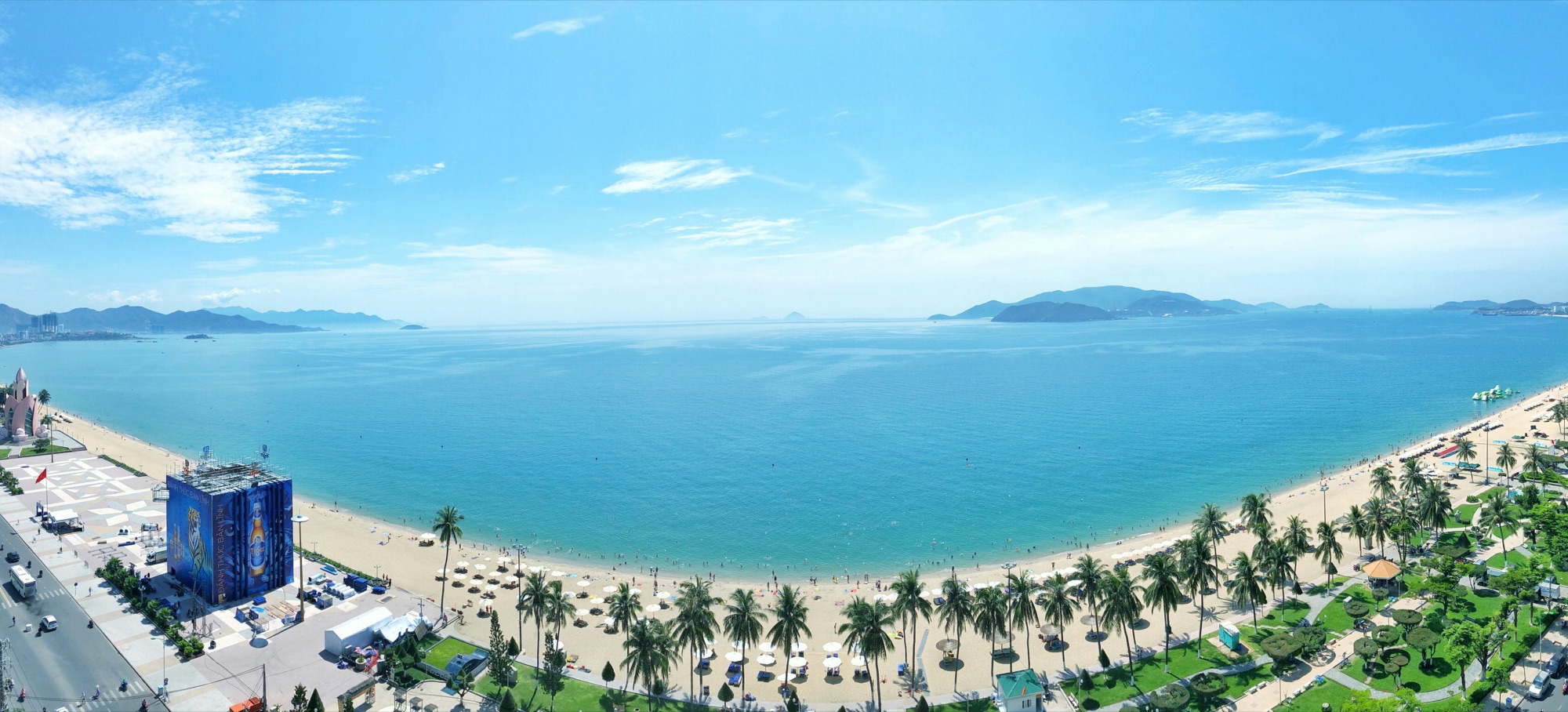
Nha Trang & the Vinh Hy coast — the beach finale. The central-south coast, where the trip lands on a beach — clifftop coves, marine-reserve water, and a quiet stretch to close on.
And the Cambodia extension — the natural other half of an Indochina trip:
Siem Reap & Angkor Wat — the temples. The single greatest archaeological site in Southeast Asia, and the bucket-list anchor that makes an Indochina trip sing. Sunrise over Angkor Wat, the jungle-wrapped temples of Ta Prohm and Bayon.
Phnom Penh — the Cambodian capital. The riverside capital — French-colonial architecture, the Royal Palace, and the sobering, essential history of the Khmer Rouge years. The Mekong-cruise midpoint between Saigon and Siem Reap.
How I’d Sequence It
The spine almost never changes — north to south: Hanoi →︎ Halong →︎ central coast →︎ Saigon →︎ Mekong / beach — flying into Hanoi and out of the south so you never backtrack. The arc moves from the cool, dense, historic north through the cultural center to the warm, energetic south, and the beach or the Mekong lands it at the end.
The classic fourteen-night Vietnam trip (the one I build most): Hanoi (3 nights) →︎ Halong Bay overnight cruise (1–2) →︎ central coast / Hoi An (3) →︎ Saigon (2) →︎ Mekong or the beach (3–4). Each region gets enough time to register, the country flows in one direction, and the dates pick which version of each region you get.
The Indochina version (16–18 nights) adds Cambodia on the back: the Vietnam spine, then Phnom Penh and Siem Reap / Angkor — often joined by an Aqua Mekong river cruise that does the Saigon-to-Siem Reap stretch by water, which is the most elegant way to make the connection.
The honeymoon version is the same spine, planned for two and weighted toward the close — the cultural north and center up front, then the longest, best stay on the beach coast (or a Halong cruise cabin and a Hoi An pool villa as the romantic anchors). More below.
The shorter trip (8–10 nights) does half the country well rather than all of it badly: north-and-center (Hanoi + Halong + Hoi An) or center-and-south (Hoi An + Saigon + Mekong), with the beach as the finale. Don’t try to run the full thousand miles in a week.
What I almost always talk travelers out of: backtracking, and cramming both the full country and Cambodia and a beach week into twelve nights. Depth and a clean north-to-south line beat a frantic loop.
Specific Things I’d Tell You About
The three-climate timing is the whole game. (See the section above — it’s important enough to say twice.) Your dates choose your route; February–April is the best all-country window; outside it, weight the trip toward the regions in season. This one understanding is most of the planning value in a Vietnam trip.
Fly in north, out south — open-jaw. Hanoi in, Saigon (or Siem Reap) out. Backtracking wastes days in a country this long. The one-directional arc is the structure.
The food changes as you go south, and it’s the trip. Phở and bún chả and egg coffee in the north; the imperial cuisine and cao lầu of the center; the bright, herb-and-sugar southern cooking and the bánh mì of Saigon. Vietnam has some of the best street eating on earth, and a cooking class or a guided street-food evening is one of the most rewarding things you can do — not a filler activity.
Halong Bay is an overnight cruise, not a day trip. The bay rewards a night on the water — sunrise and sunset among the karsts, kayaking into the quiet — far more than a rushed day boat. And the smaller, quieter Bai Tu Long Bay next door is increasingly the move to escape the day-tripper crowds. The vessel you choose is everything, which is where the ground partner earns its keep.
The Mekong connects Vietnam and Cambodia by water. A luxury river cruise (Aqua Mekong is the one I’d name) runs the stretch between Saigon and Siem Reap via Phnom Penh — the most elegant way to make the Indochina connection, turning the transfer into a highlight.
Cambodia’s history deserves seriousness. Angkor is sublime; Phnom Penh’s Khmer Rouge history (the S-21 museum, the Killing Fields) is sobering and essential. A good guide handles both registers — the wonder and the weight — with the care they each deserve.
What I’d Skip
The mistimed region. Said again because it’s the one that actually ruins trips — don’t book the central coast in the October–November typhoon season or expect a crisp Halong cruise in the July heat. The dates choose the route.
Backtracking. Flying back to Hanoi to connect somewhere is a wasted day in a country built for a one-directional arc. Open-jaw in the north, out the south.
The day-trip version of Halong Bay. The bay is an overnight; the rushed day boat from Hanoi misses the point entirely.
Trying to do the whole country plus Cambodia plus a beach week in twelve nights. The transfer days eat the trip. Either lengthen it to sixteen-plus, or do half the country properly.
Over-shopping the Hoi An tailors into a chore. The tailoring is a genuine Hoi An pleasure — but build it in deliberately (it takes fittings over a couple of days), don’t let it swallow the old town. More on the central-coast page.
For Honeymooners
Vietnam is a distinctive, range-rich honeymoon — and the arc that works for everyone works especially well for two: the cultural north and center up front, then the longest, best stay weighted toward the close. The romantic anchors are unusual and memorable — a private cabin on an overnight Halong Bay cruise, a pool villa near lantern-lit Hoi An, and a quiet beach stretch on the Vinh Hy/Nha Trang coast to finish. Add Angkor for a once-in-a-lifetime cultural high, and you have a honeymoon few of your friends will have done.
What I’ll say at the country level: end on the warmest, most personal stay, not the busiest — the beach coast or a final pool villa, the place that closes the trip on intimacy after the richness of the country. That’s a deliberate sequencing choice. If you want me to design the full Vietnam (or Vietnam-and-Cambodia) honeymoon — the cruise cabin, the Hoi An villa, the beach finale, the Angkor sunrise — that’s exactly the kind of planning I do. Start a discovery call.
For First-Timers to Asia
Vietnam is a wonderful — if slightly more textured — first big Asia trip. It’s a half-step beyond Thailand in intensity (the cities are denser, the traffic wilder, the language barrier a touch higher), but it’s safe, welcoming, deeply rewarding, and structured around an arc that almost plans itself once the dates set the route. You get more historical and cultural range than almost any first-trip alternative.
The first-timer version is the classic north-to-south arc, twelve to fourteen nights, with the shaping work — the right direction, the right dates, the Halong cruise and the Hoi An days and the cooking class, the hotels that fit how you actually travel — turning a good first trip into the one that makes you a lifelong Asia traveler. If you want me to design your first Vietnam trip, start a discovery call.
Plan Vietnam With Me
If you’re thinking about Vietnam as a deep north-to-south trip, half of an Indochina arc with Cambodia, or part of a wider Southeast Asia journey — that’s exactly the kind of planning I do. A 30-minute discovery call is where it starts. No fee, no pressure. We figure out when you can travel first, because that chooses your route — and from there the country unfolds in one clean line, north to south, with the Mekong carrying you on into Angkor if you want it.
Book Your Free Discovery Call →︎
Last updated: May 2026. I keep this guide current. If a hotel I recommend slips, a cruise changes hands, or access to a region shifts, the page changes. Travel changes. The work doesn’t stop when the page goes live.