There are trains, and then there is the Venice Simplon-Orient-Express — a 1920s Art Deco icon kept the way it was actually built, doing the same Paris-to-Venice run it was designed for, in carriages where the marquetry is original and the dining-car glass was made by Lalique in 1929. This is not how you get to Venice. It is the trip.
The shape: 54 cabins across three grades, three vintage restaurant cars, a midnight Bar Car called '3674' where the pianist plays until the last guest gives up, and one carriage-sized suite — L'Observatoire — designed by the artist JR and reserved for the kind of honeymoon that arrives in its own category. Sixteen routes across Europe, none under a night. The marquee is the original five-night Paris-to-Istanbul that earned the line its name; the most-booked is the single overnight from Paris to Venice.
What follows are the train's own photographs, grouped the way I'd walk you through it before we ever talk dates — the routes, the cabins, the dining cars, and the rhythm of a night on board.
1920s carriages, restored — not replicated.
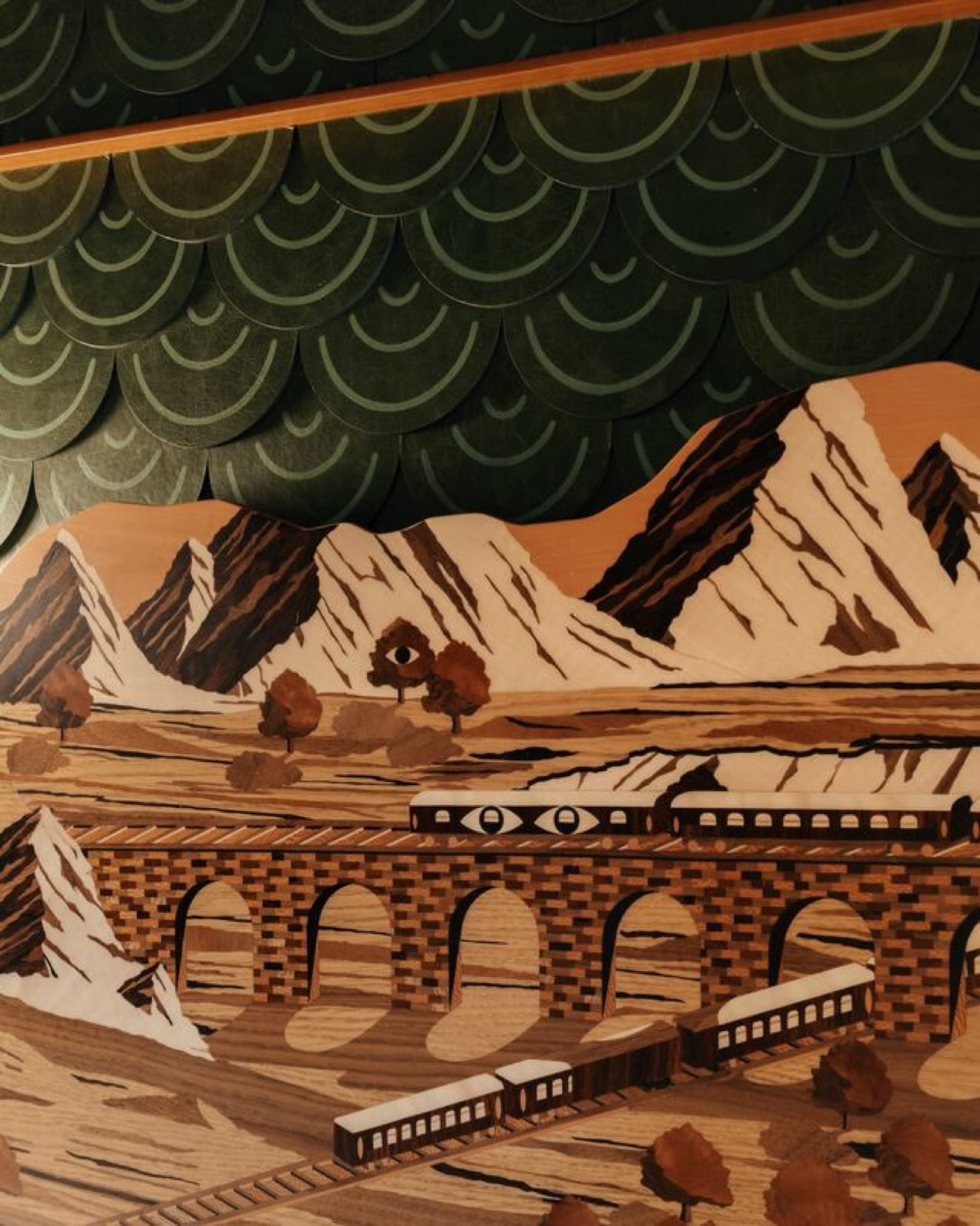
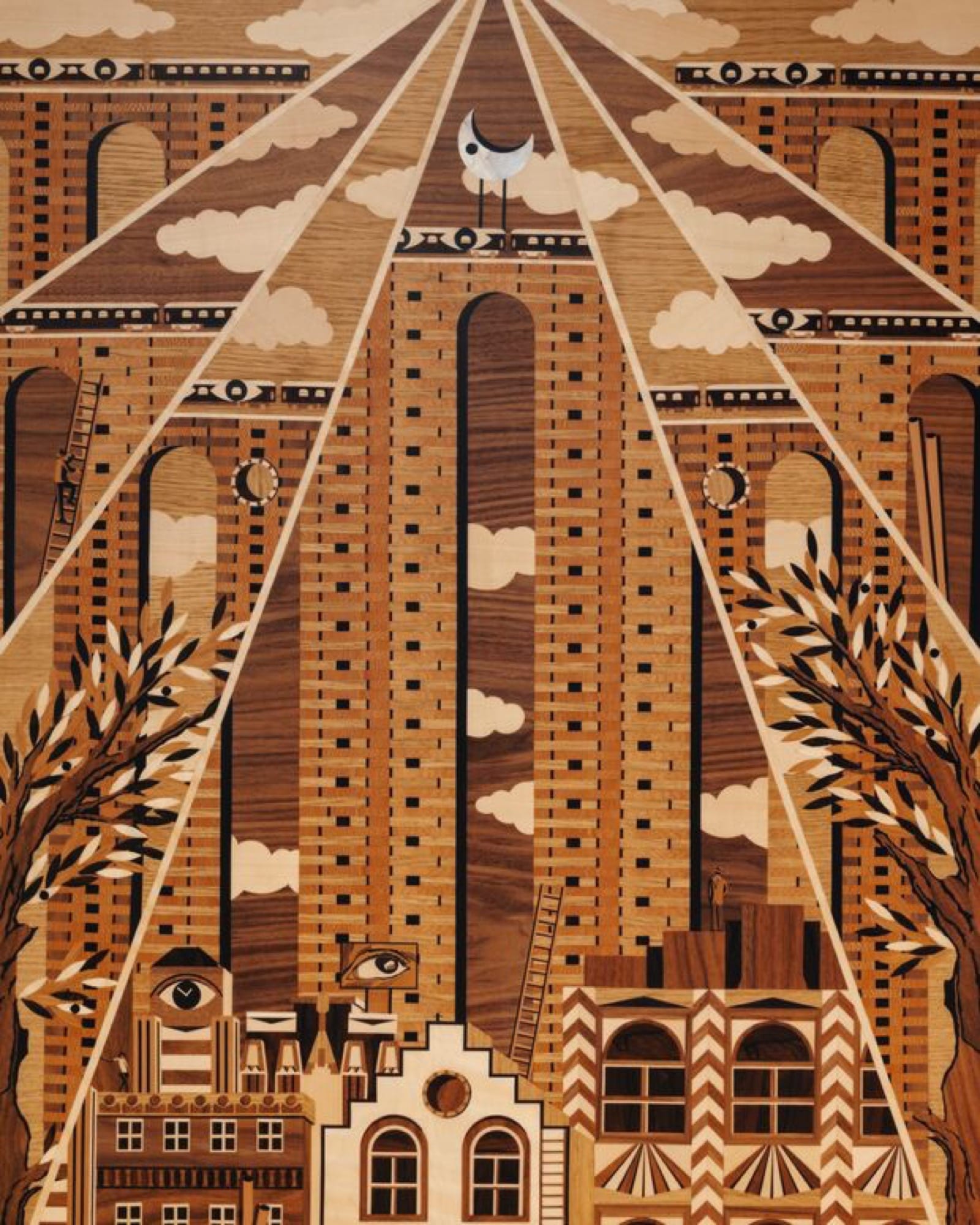
The train is built from original Wagons-Lits carriages that ran on the historic transcontinental lines in the 1920s and 1930s, restored over the last four decades. The dining cars carry their own histories — Étoile du Nord ran the Paris-Calais service from 1926, Côte d'Azur ran the Paris-winter routes from 1929 with original René Lalique glass panels still in place, and L'Oriental ran Paris-Amsterdam in the 1927 Étoile du Nord style before later joining the Lusitania Express. The cabins, the marquetry, the brass, the leather — all of it is the actual material, repaired, not reproduced.
Sixteen routes; two that matter most.
The full route map runs Paris↔︎Venice, Paris↔︎Istanbul, Paris↔︎Rome, Paris↔︎Florence, Paris↔︎Prague, Paris↔︎Vienna, Paris↔︎Budapest, Geneva↔︎Venice, Amsterdam↔︎Venice, and a half-dozen variations across the Alps and the Adriatic. Two of them carry the weight. The single overnight from Paris to Venice (or vice versa) is the entry point and the most-booked — one night on board, dinner in evening dress, midnight brunch, and you arrive in Venice in time for a late lunch on the Grand Canal. The five-night Paris-to-Istanbul is the original transcontinental — Budapest, Sinaia, Bucharest, Varna, Istanbul — and is the version of the trip that earned the line its name.
The Signature Journeys pair the train with a Belmond hotel on the far end — three nights with Hotel Caruso on the Amalfi coast, with Splendido above Portofino, with Villa San Michele in Florence, or with Hotel Cipriani in Venice. The hotel does the second half of the trip; the train does the first. They book as a single fare and they read as a single trip.
Three grades of cabin, and one suite in its own category.
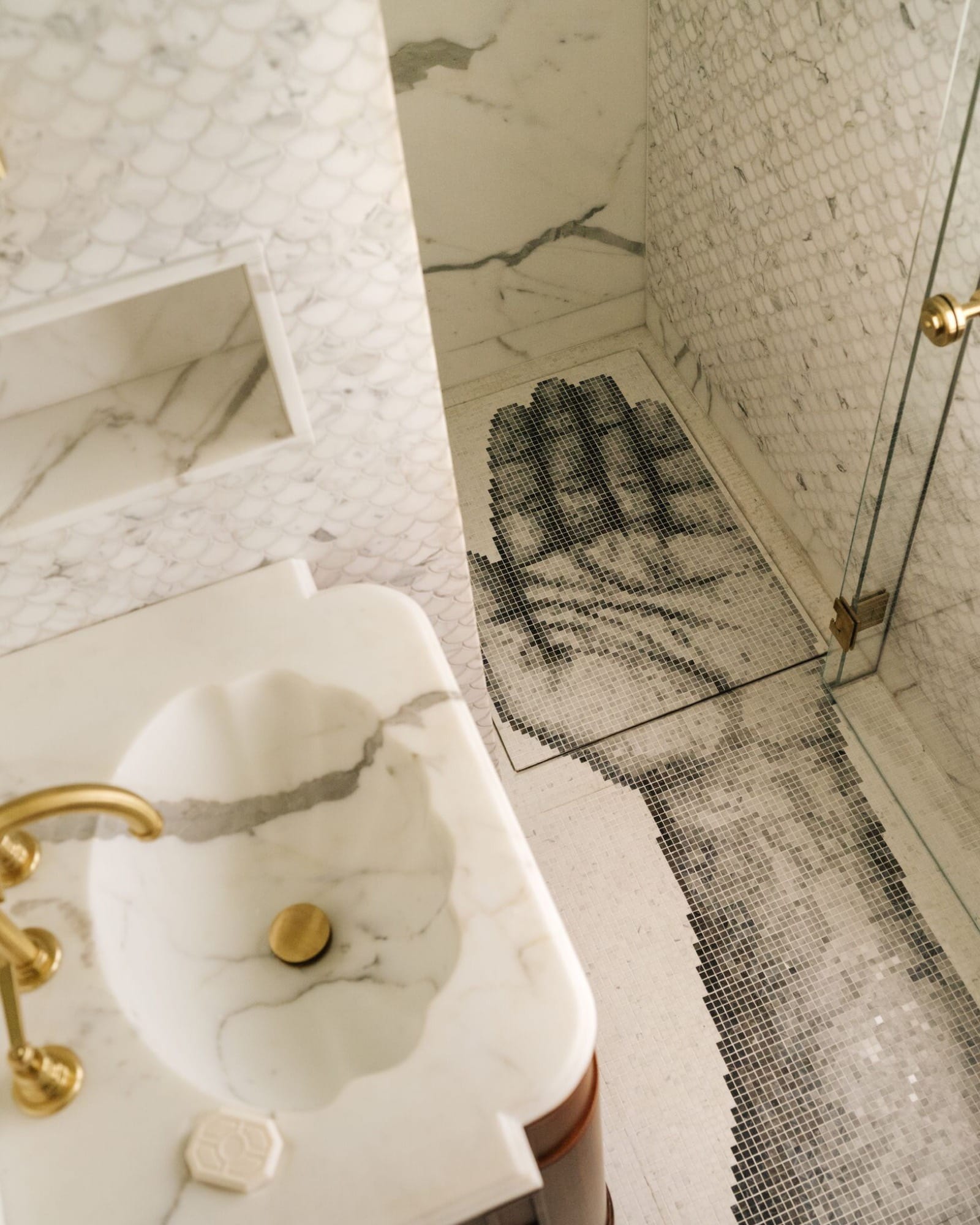
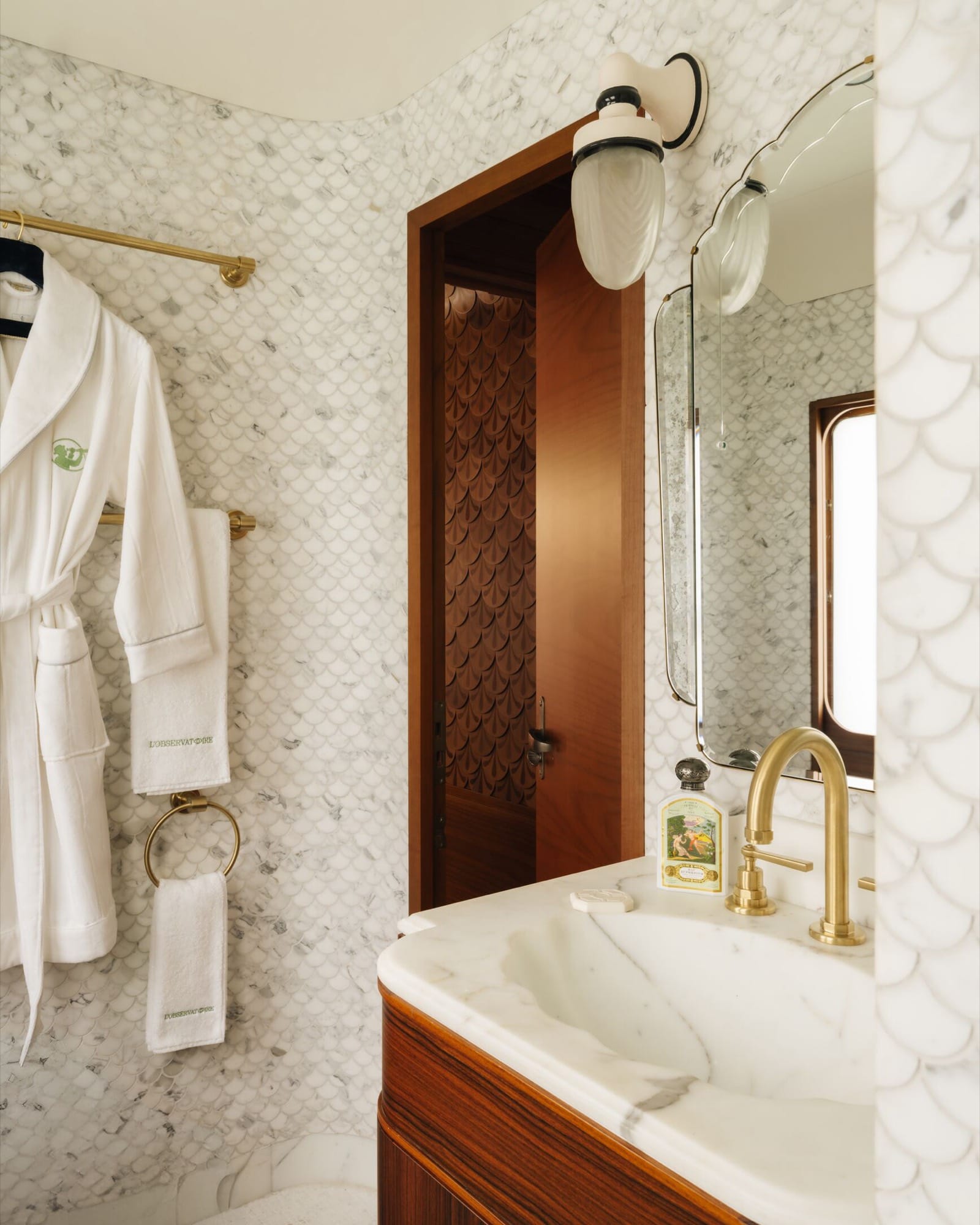
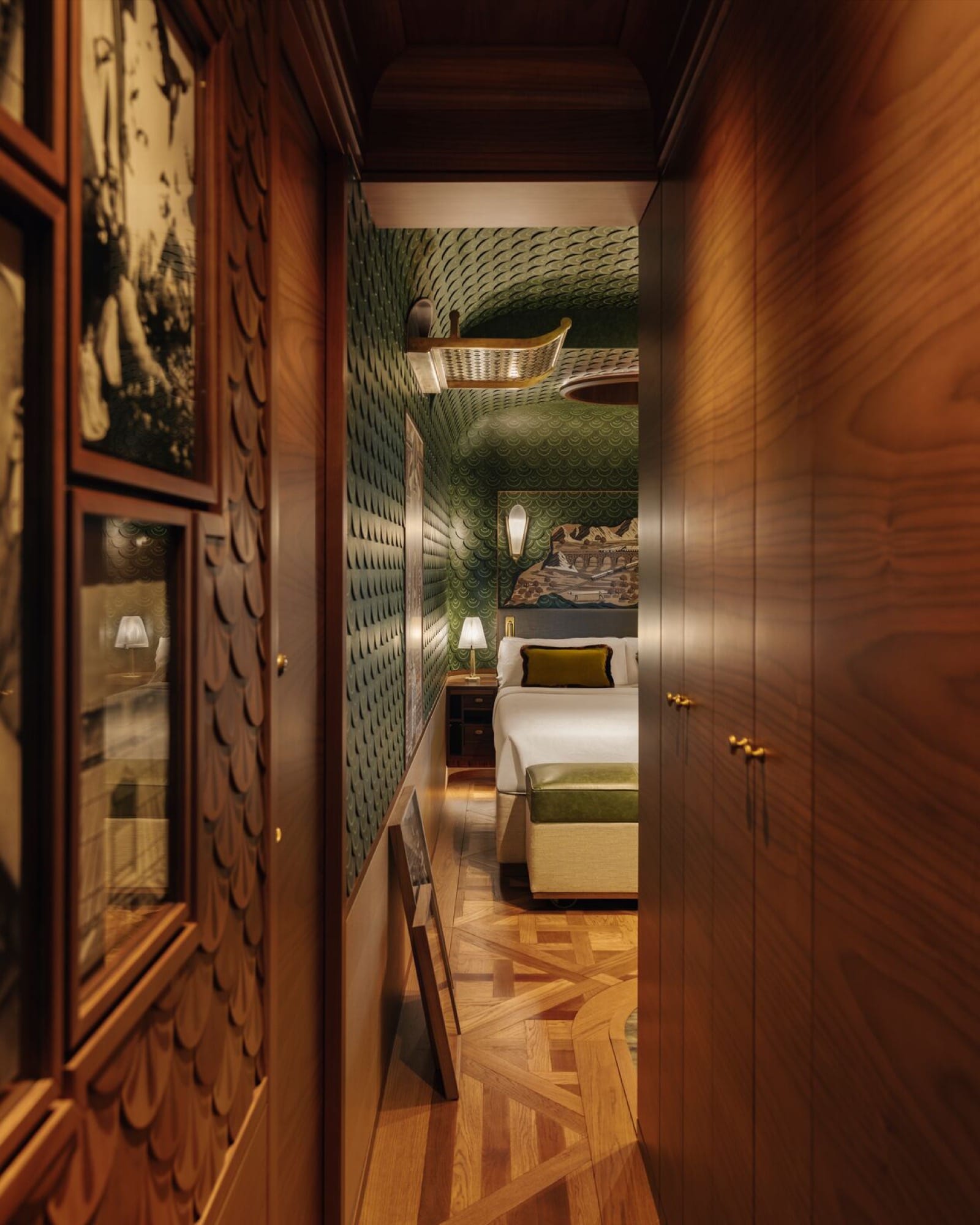
Fifty-four cabins, three grades, and one carriage-sized suite that exists outside the ladder. Historic Cabins (40) are the entry point — twin berths that convert from a daytime seating area, a washbasin in-cabin, shared bathrooms at the end of the carriage; the way a 1920s sleeper car actually worked, and the price point most first conversations begin at. Suites (8) double the room and add a private marble en-suite — the middle grade, and the right balance of authenticity and modern comfort. Grand Suites (6) are full living rooms with double beds, en-suite marble bathrooms with walk-in showers, free-flowing champagne, 24-hour butler service, and private in-cabin dining if you want it.
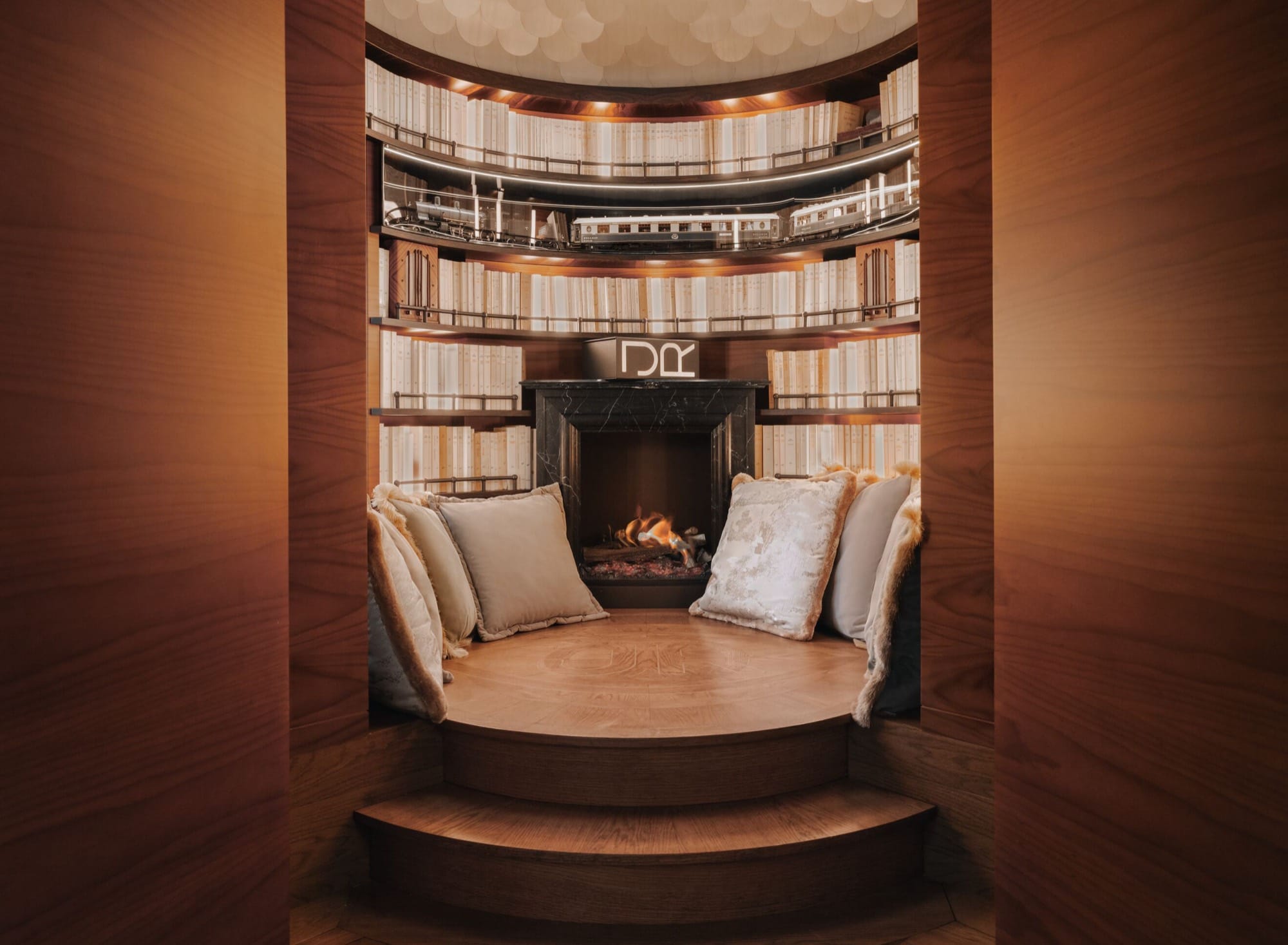
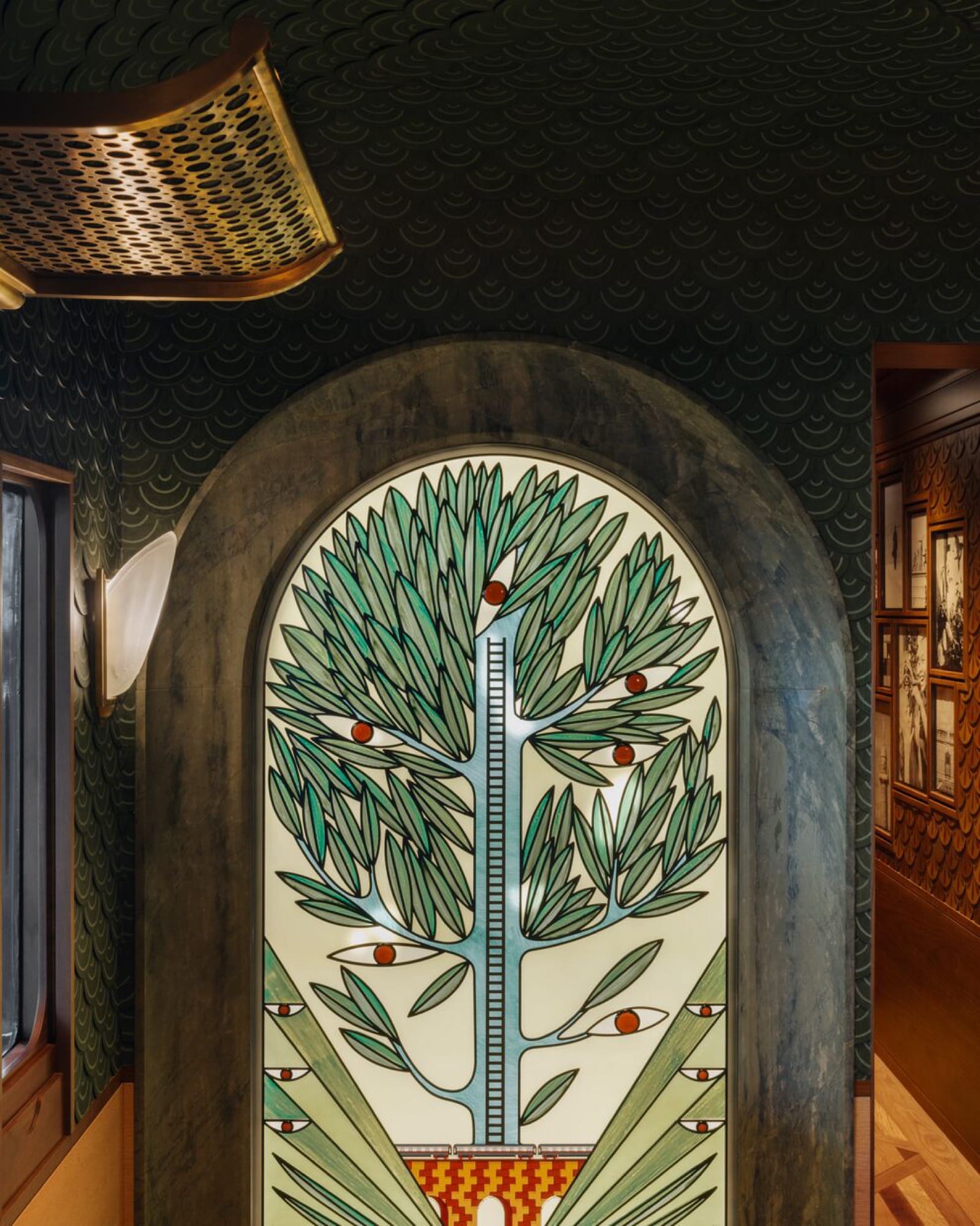
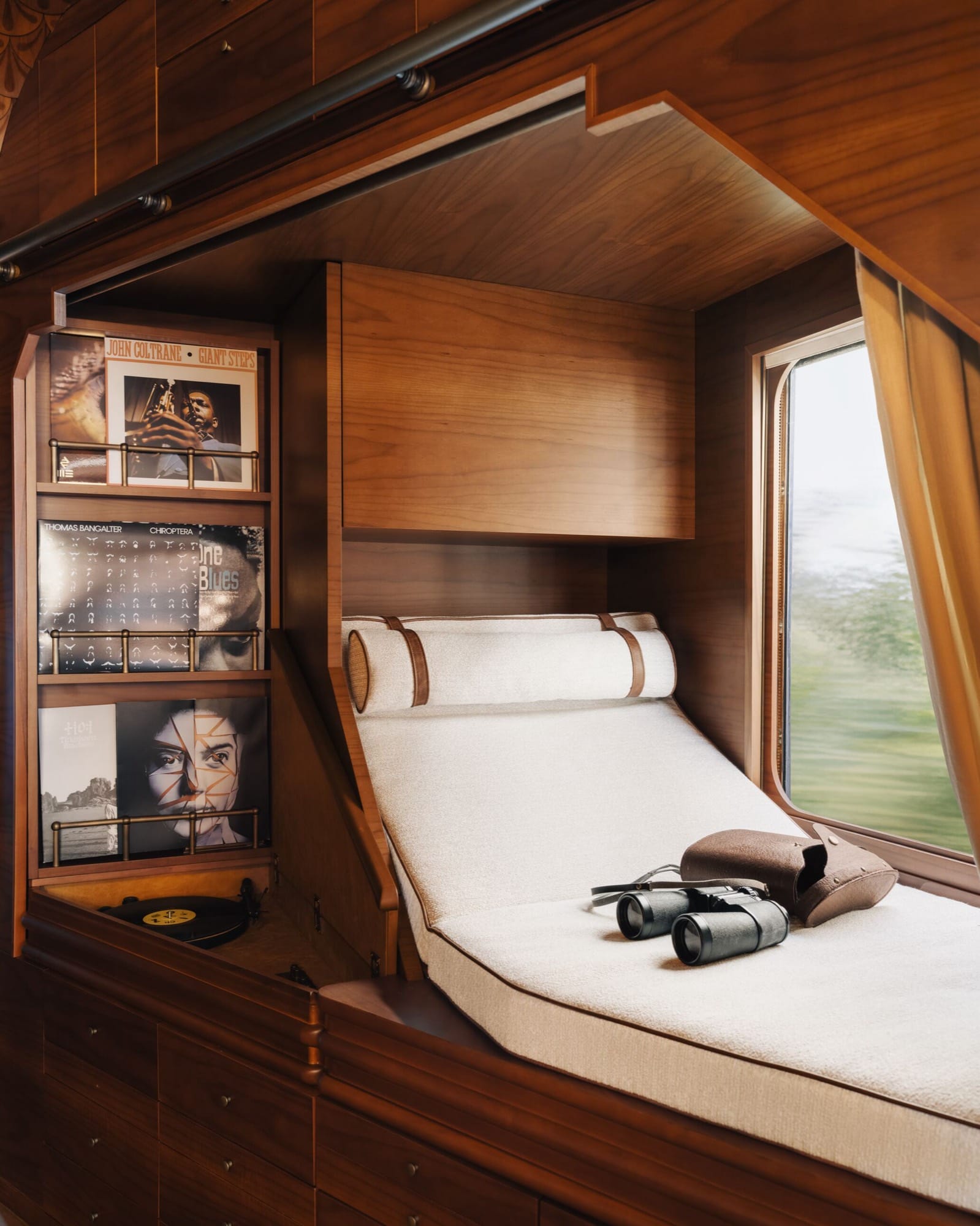
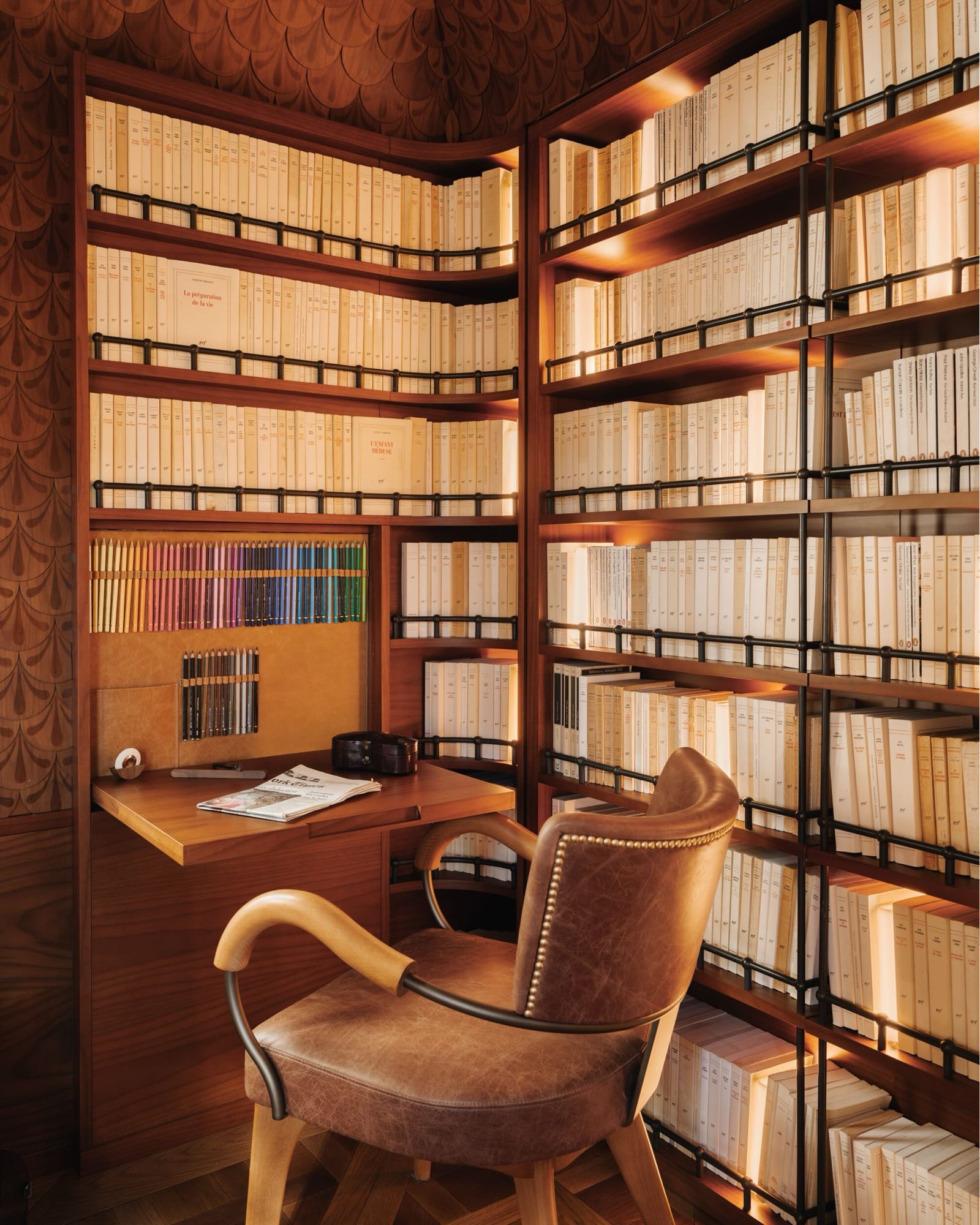
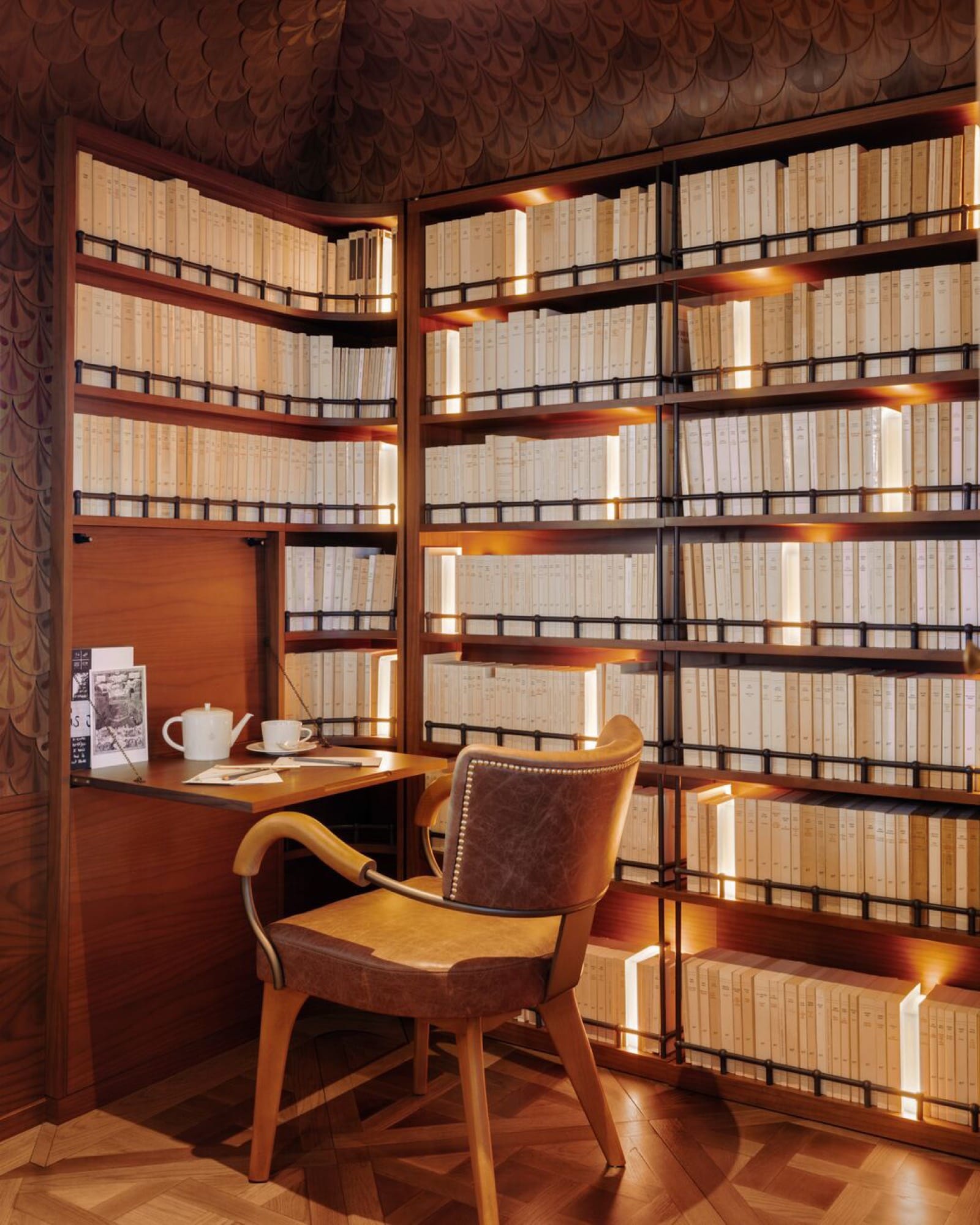
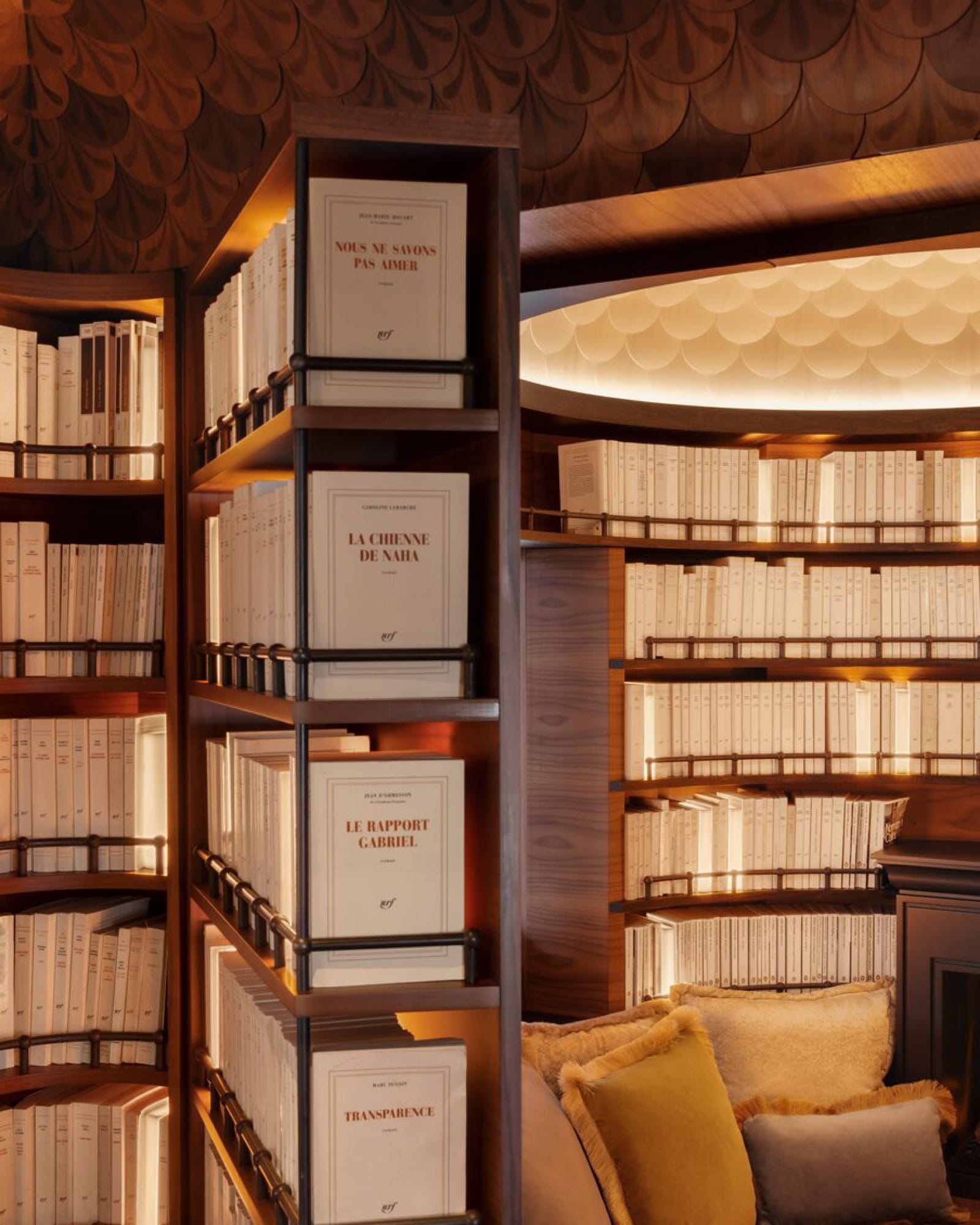
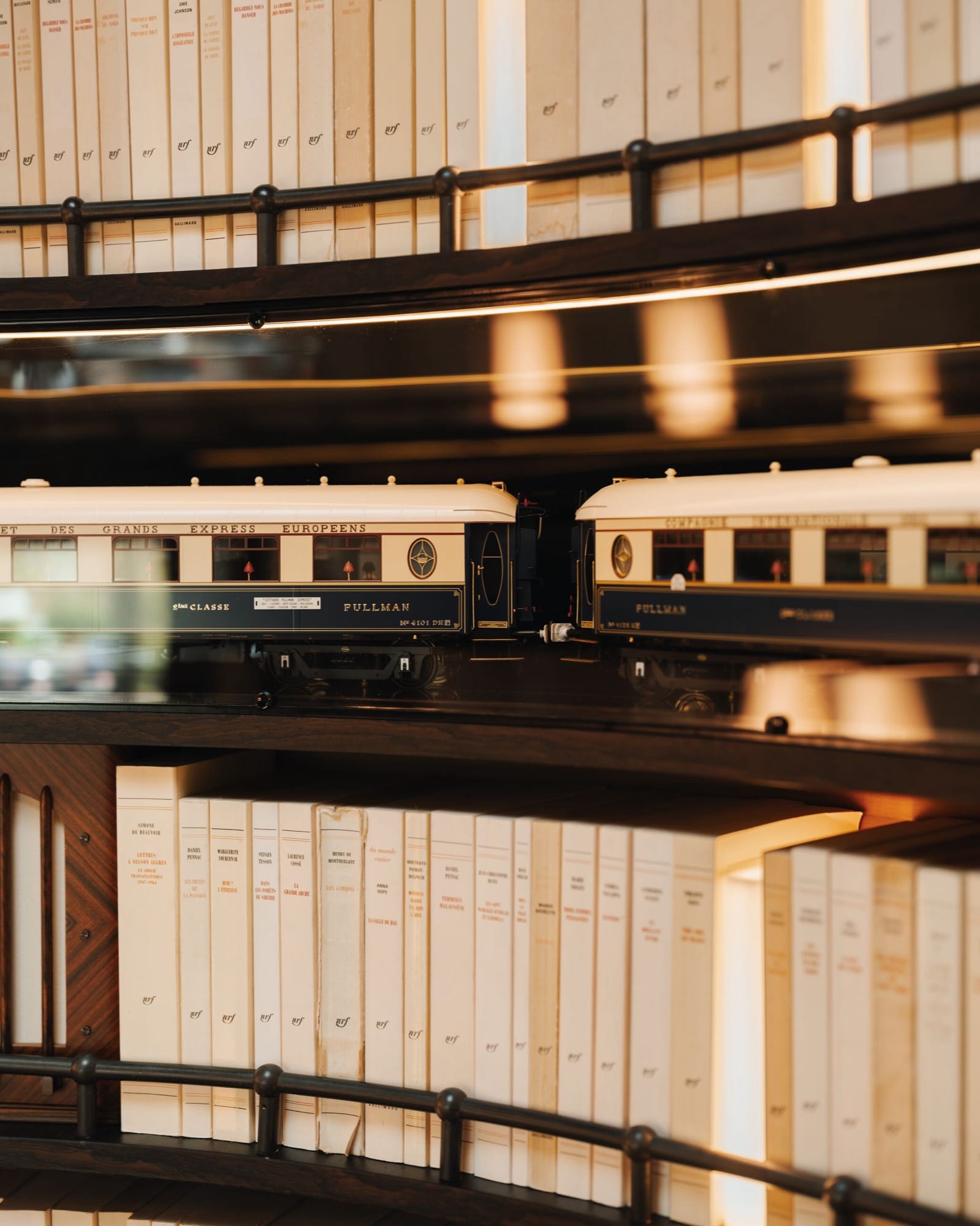
And then there is L'Observatoire — a single suite that takes up an entire carriage, designed by the French artist JR and built around astronomical observation. A secret tearoom with a fireplace, a library of Gallimard books, a record player with vinyl curated by JR, a free-standing bathtub, dedicated 24-hour cabin steward, all wine and premium spirits included, and private transfers within a 300-km radius. It is a one-of-a-kind on the rails — and yes, it books out far in advance.
Three restaurant cars and the bar where the night ends.
Étoile du Nord was built in 1926 and shows the most storied marquetry on the train — it ran the original Étoile du Nord service from Paris in its first life, then the Lusitania Express from Lisbon to Madrid before retiring in the 1970s and being rescued for the line's relaunch. Côte d'Azur was built in 1929 and is famed for its René Lalique glass panels — for decades it ran the winter service between Paris and Calais before being stored in 1961 and rescued from the Wagons-Lits works at Villeneuve in 1981. L'Oriental was built in Birmingham in 1927 in the Étoile du Nord style and now carries black lacquer panels that befit its place in the rake.
The menu is by Chef Jean Imbert. The Bar Car '3674' is where the night goes long — cocktails, a resident pianist, and the Midnight Brunch (lobster rolls, truffle club sandwiches) that runs until the last guest decides to retire. The dress code is jacket-and-tie or evening gown after dark, and the room is fully on board with it.
The pace is the trip.
You board on the platform in evening dress with the conductor waiting and the porters handling your bags. You take dinner in one of the three dining cars — a seasonal menu by Chef Imbert, paired wines from the sommelier, the train already moving by the time you sit down. After dinner, you drift to Bar Car '3674' for cocktails and the pianist. At midnight, brunch arrives, and it runs as long as you do. When you give in, you walk back to a cabin that has been made up for the night — crisp sheets, the rhythm of the carriages underneath. You wake to coffee and pastries served in your cabin, framed by the Alps or the Adriatic depending on which route you've chosen, and by lunch the next day, you've arrived.
Belmond calls this a five-chapter narrative. I think of it as the part of the trip that air travel has erased — a night where the journey is itself the occasion, and the next morning, the trip has already happened to you.
Booked direct through Belmond, planned through Signature.
The Venice Simplon-Orient-Express books through Belmond directly, with the planning done through my Signature Travel Network relationship — Signature amenities apply on Belmond hotel stays (Hotel Cipriani, Hotel Caruso, Splendido, Villa San Michele) when we pair the train with one of them, which is most of the time. Discovery call is where we figure out the route, the cabin grade, and which hotel pairing makes sense for the trip you actually want. For Grand Suite and L'Observatoire bookings, expect to plan 9-12 months out; the rest of the train books on shorter timelines but the spring and fall sailings sell through.
Plan a Venice Simplon-Orient-Express journey.
A 30-minute discovery call is where it starts — the route, the cabin grade, and whether we pair the train with a Belmond hotel on the far end. No fee, no pressure.
Book a Discovery Call